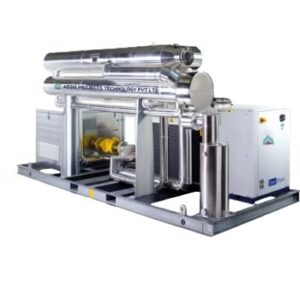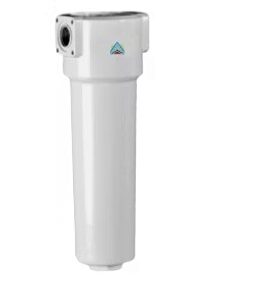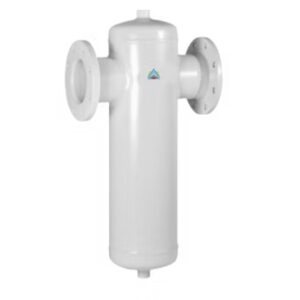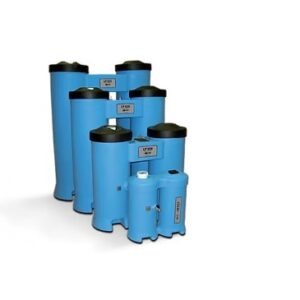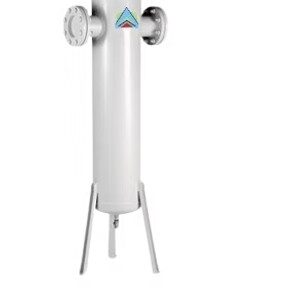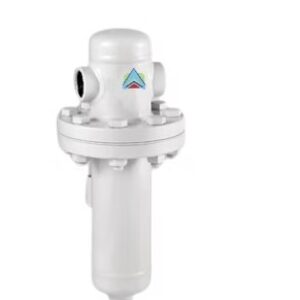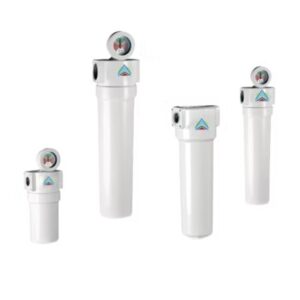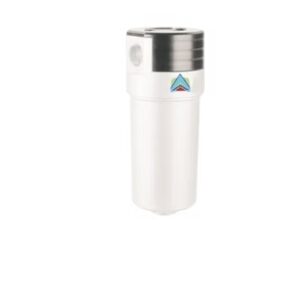
Compressed Air and Gas Treatment is an essential part of modern industrial compressed-air and gas systems. Proper treatment removes moisture, oil, dust, particles, contaminants and other unwanted substances from compressed air and industrial gases, helping maintain air quality, protect downstream equipment and support reliable production processes.
Aegis Projects Technology provides compressed air and gas treatment solutions for industrial applications, covering filtration, drying, separation, purification, condensate management and related air-treatment equipment.
Our solutions can be configured according to the required air or gas quality, pressure, flow rate, temperature, application conditions and downstream process requirements.
Compressed air and industrial gases can contain contaminants introduced from the atmosphere, compressor operation, piping systems, storage equipment and the surrounding environment.
Typical contaminants may include:
Without appropriate treatment, these contaminants can affect pneumatic equipment, valves, instruments, production machinery and sensitive processes.
An appropriately designed treatment system helps provide cleaner and more consistent compressed air or gas for the intended application.
Compressed air treatment generally involves multiple stages designed to address different types of contaminants.
Depending on the application, a compressed-air treatment system may include:
The required treatment stages depend on the quality of compressed air required by the end application.
Filtration is one of the primary methods used to remove contaminants from compressed air.
Different filter types can be selected according to the contaminant and required air quality.
Particulate filters remove solid particles such as dust, rust and pipe debris from compressed air.
Coalescing filters are designed to remove liquid aerosols and fine oil or water droplets from compressed air.
Activated carbon filtration can be used where reduction of oil vapour and certain hydrocarbon-related contaminants is required.
Specialised filtration systems can be selected for applications requiring higher levels of compressed-air cleanliness.
Compressed air normally contains water vapour. When compressed air cools, moisture can condense and create liquid water within the air system.
Air dryers are used to reduce moisture content and achieve the required pressure dew point.
Common compressed-air drying technologies include:
The appropriate dryer technology depends on the required dew point, operating pressure, flow rate, temperature and application.
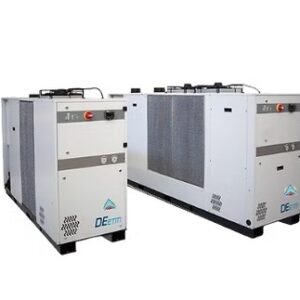
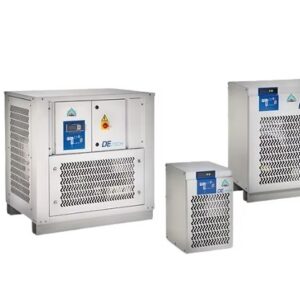
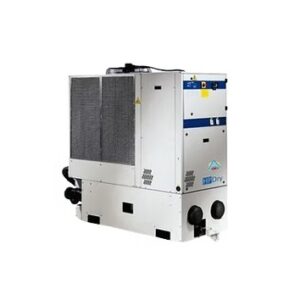
Refrigerated air dryers cool compressed air to reduce its moisture content before reheating the treated air for downstream distribution.
They are commonly used in general industrial compressed-air applications where a standard pressure dew point is suitable.
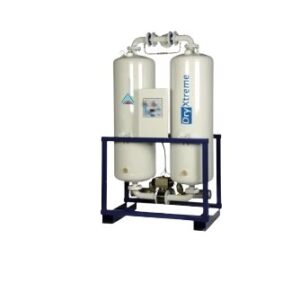
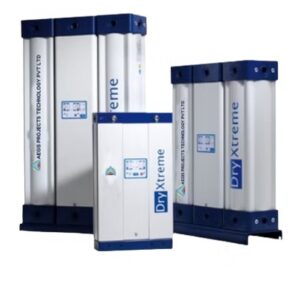
Desiccant dryers use an adsorbent material to remove moisture from compressed air.
They are commonly selected for applications requiring lower pressure dew points than those typically achieved with refrigerated drying.
The dryer configuration may include twin towers, switching valves, desiccant material, purge systems and control instrumentation.
Industrial gas treatment involves purification and conditioning of gases according to the requirements of the process.
Depending on the gas and application, treatment may involve:
Gas-treatment equipment must be selected according to the specific gas composition, operating pressure, temperature, flow and required purity.
Gas treatment systems can be used in applications involving gases such as:
The appropriate treatment technology varies significantly depending on the gas and process requirements.
Certain applications require separation of specific components from an air or gas stream.
Depending on the application, separation technologies may include:
The selection of separation technology depends on the required gas quality and process conditions.
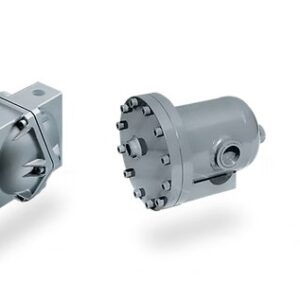
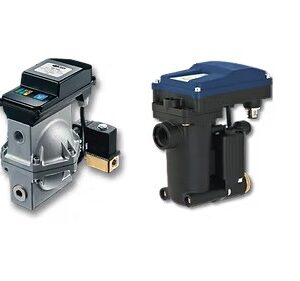
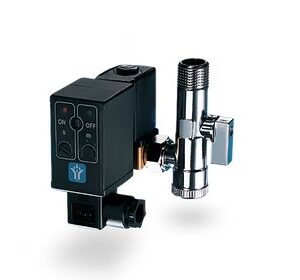
Compressed-air systems can generate condensate containing water, oil and other contaminants.
Effective condensate management may include:
Proper condensate management helps prevent accumulation of liquid within air-treatment equipment and compressed-air piping.
Pressure dew point is an important parameter in compressed-air drying.
It indicates the temperature at which moisture in compressed air begins to condense at a specified pressure.
Monitoring dew point can help determine whether the air dryer is maintaining the required drying performance.
Dew-point requirements depend on the application. General industrial applications may require different air quality from pharmaceutical, food-processing, electronics or specialised manufacturing processes.
Compressed-air quality requirements vary according to the application.
Important parameters may include:
The treatment system should therefore be designed around the actual process requirement rather than using the same treatment arrangement for every application.
A typical system may follow an arrangement such as:
Air Compressor → Aftercooler → Moisture Separator → Pre-Filter → Air Dryer → Fine/Coalescing Filter → Activated Carbon Filter → Clean Compressed Air
Not every system requires every stage. Equipment selection depends on the compressor, air quality requirement and end-use application.
Compressed air and gas treatment systems are used across many industries, including:
Aegis Projects can support requirements for a broad range of compressed-air and gas-treatment equipment and components, including:
An effective air or gas treatment system should be selected according to several operating parameters.
| Parameter | Requirement |
|---|---|
| Medium | Compressed Air / Industrial Gas |
| Flow Rate | According to application |
| Operating Pressure | According to system requirement |
| Inlet Temperature | Equipment dependent |
| Outlet Temperature | Application dependent |
| Required Air Quality | Application dependent |
| Pressure Dew Point | According to application |
| Oil Removal Requirement | Application dependent |
| Particle Removal Requirement | Application dependent |
| Gas Purity | According to process requirement |
| Filtration Level | Based on contaminant and application |
| Dryer Type | Refrigerated / Desiccant / Other |
| Installation | Point-of-use / Centralised / Process-specific |
| Operating Environment | According to installation conditions |
Regular maintenance is important for maintaining treatment performance.
Maintenance activities may include:
Maintenance intervals should be determined according to equipment design, operating conditions and manufacturer recommendations.
Air and gas treatment systems may experience issues such as:
Proper troubleshooting should consider the complete air-treatment system rather than an individual component alone.
A properly designed treatment system can help:
Aegis Projects Technology Pvt. Ltd. provides compressed-air, industrial gas and air-treatment solutions for a wide range of industrial applications.
Our solutions cover filtration, drying, separation, purification and related equipment required to achieve the desired air or gas quality.
We support requirements for:
For compressed-air or gas-treatment requirements, share your flow rate, operating pressure, inlet temperature, required air/gas quality, dew-point requirement and application details with Aegis Projects Technology.
Our team can help identify suitable treatment equipment and components for your industrial process.
Aegis Projects – Compressed Air, Gas Treatment and Industrial Process Solutions.