Description
Why Flare Gas Recovery Matters
An effective FGR system allows operators to recover hydrocarbons that would otherwise be burned through the flare system.
Potential benefits include:
- Recovery of valuable hydrocarbon gases
- Reduction in routine flaring volumes
- Reduced loss of fuel gas
- Improved utilization of recovered process gas
- Potential reduction in greenhouse gas and other emissions associated with routine flaring
- Recovery of gas for further processing
- Potential use of recovered gas for power generation
- Improved overall resource utilization
- Support for applicable environmental and operational objectives
The actual environmental and economic benefits depend on the gas composition, flare operating conditions, recovery rate, plant configuration, and applicable regulatory requirements.
How a Flare Gas Recovery System Works
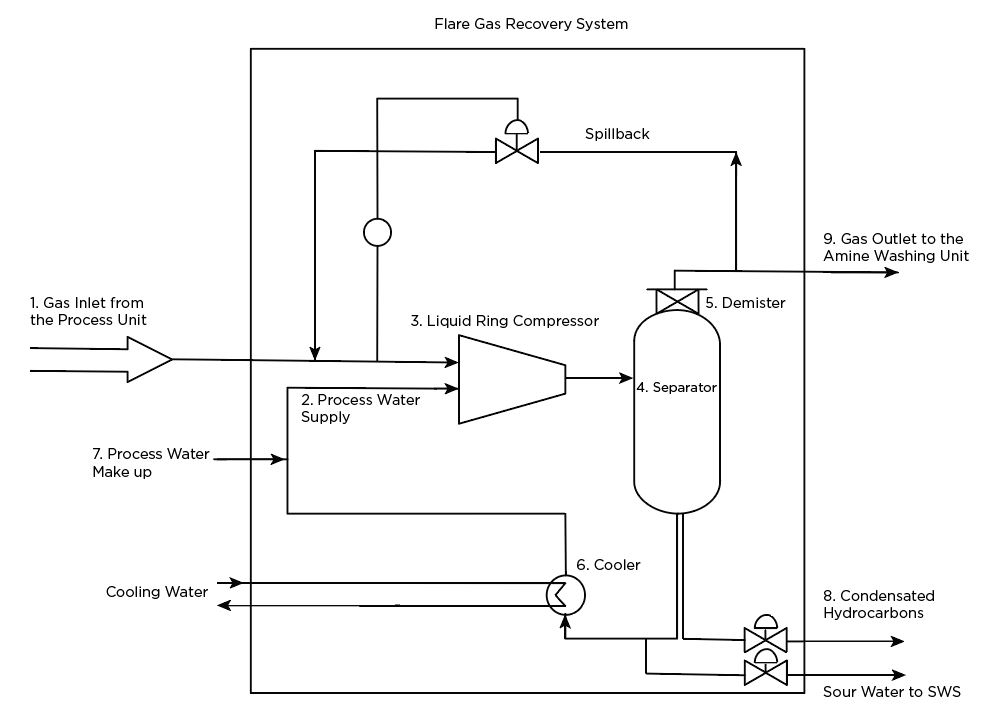
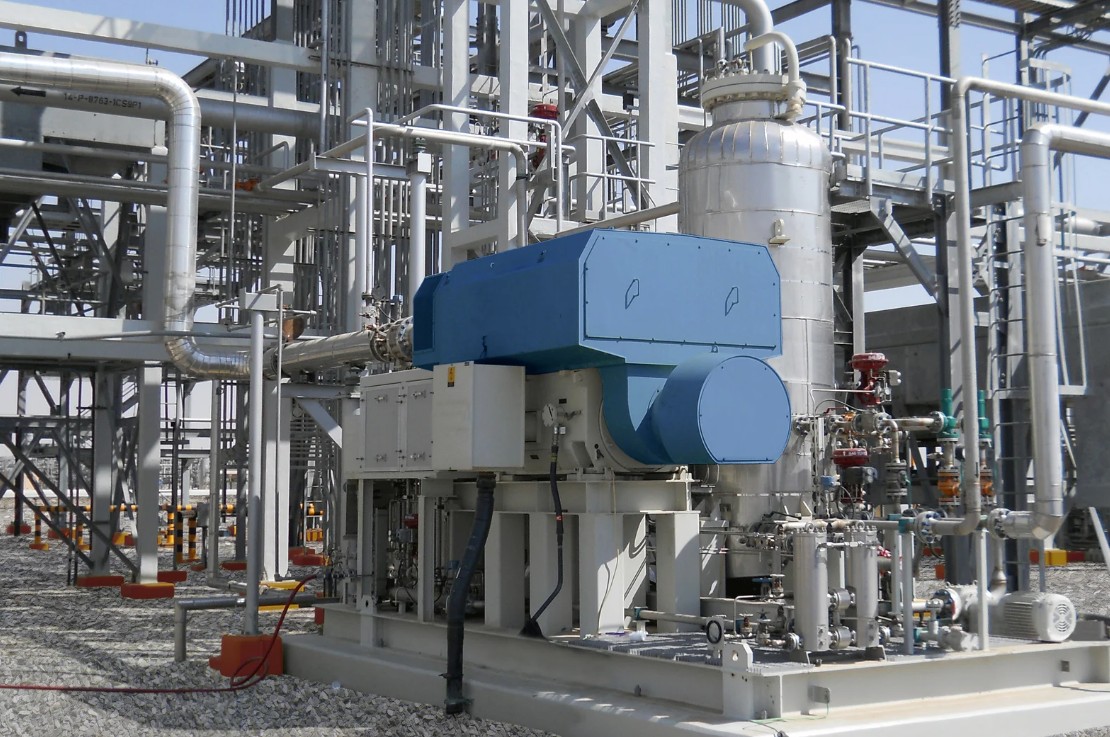
A typical flare gas recovery system captures gas from the flare header and compresses it for controlled reuse within the facility.
A typical process sequence may include:
1. Flare Gas Inlet
Gas from the process unit and flare header enters the flare gas recovery package at relatively low suction pressure.
The system is designed around the expected:
- Gas flow range
- Suction pressure
- Gas composition
- Temperature
- Hydrocarbon content
- Contaminants
- Required discharge pressure
2. Compression
The incoming flare gas is directed to the compressor.
For suitable applications, liquid ring compressors can be used for flare gas recovery because of their ability to operate with low suction pressures and handle variations in gas flow and composition.
The liquid ring provides compression while also supporting temperature control during the compression process.
3. Gas-Liquid Separation
After compression, the gas, process water/seal liquid, and condensed hydrocarbons can enter a separator.
The separator allows the different phases to be separated.
The gas passes through a demister to minimize entrained liquid before leaving the vessel.
Condensed hydrocarbons and liquid are separated by gravity as the gas velocity decreases within the vessel.
4. Seal Liquid Cooling and Recirculation
Where a liquid ring compressor configuration is used, the process/seal liquid can be returned to the compressor after being cooled through a suitable cooler.
A continuous process-water or seal-liquid make-up arrangement may be incorporated to maintain the required liquid ring and stable compressor operation.
5. Condensed Hydrocarbon Handling
Condensed hydrocarbons separated within the system are collected and routed for appropriate handling or disposal according to the facility’s process and environmental requirements.
6. Gas Treatment
Depending on the gas composition and downstream requirements, recovered gas can be routed through a gas treatment system, such as an amine washing unit, to remove contaminants such as hydrogen sulfide (H₂S).
7. Recovered Gas Reuse
After the required treatment, the recovered gas can be directed to an appropriate destination such as:
- Fuel gas header
- Further gas processing
- Plant fuel system
- Power generation system
- Other suitable process consumers
The final gas routing depends on the facility process design and recovered gas specifications.
Liquid Ring Compressor Technology
Liquid ring compressors can be suitable for demanding flare gas recovery applications where gas conditions vary during operation.
Their operating characteristics can provide several advantages for suitable FGR applications:
Operation at Low Suction Pressure
Flare gas recovery systems may need to recover gas from a flare header operating at relatively low pressure.
Liquid ring compressor technology can be configured for applications requiring operation at low suction pressures.
Tolerance to Variable Gas Conditions
Flare gas composition and flow can change depending on plant operating conditions.
A properly selected liquid ring compressor system can accommodate variations in:
- Gas flow
- Gas composition
- Molecular weight
- Suction pressure
- Process conditions
Final compressor selection must be based on the actual process gas characteristics and operating envelope.
Near-Isothermal Compression
Liquid ring compression provides compression with significant interaction between the gas and circulating liquid. This can result in compression behavior approaching near-isothermal conditions, helping control gas temperature during compression.
This characteristic can be beneficial when handling hydrocarbon-rich or otherwise challenging gas streams.
Continuous-Duty Operation
Flare gas recovery systems may be required to operate continuously under demanding industrial conditions.
A packaged system can incorporate appropriate cooling, separation, instrumentation, control, and protection systems to support continuous operation.
Flexible Seal Liquid Selection
Depending on the process requirements, different seal or process liquids may be considered for liquid ring compressor applications.
Selection depends on:
- Gas composition
- Contaminants
- Solubility requirements
- Operating temperature
- Process compatibility
- Environmental considerations
Typical Flare Gas Recovery System Components
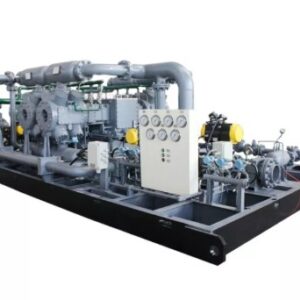
A complete FGR package can include:
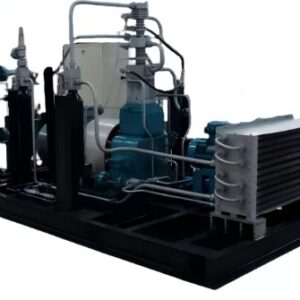
- Liquid ring compressor
- Compressor motor and drive system
- Gas-liquid separator
- Demister
- Process/seal liquid circulation system
- Liquid cooler
- Make-up liquid system
- Hydrocarbon collection system
- Gas treatment interface
- Pressure transmitters
- Temperature transmitters
- Pressure switches
- Flow measurement
- Control valves
- Isolation valves
- Check valves
- Relief and protection systems
- PLC control system
- HMI operator interface
- Local control panel
- Emergency shutdown system
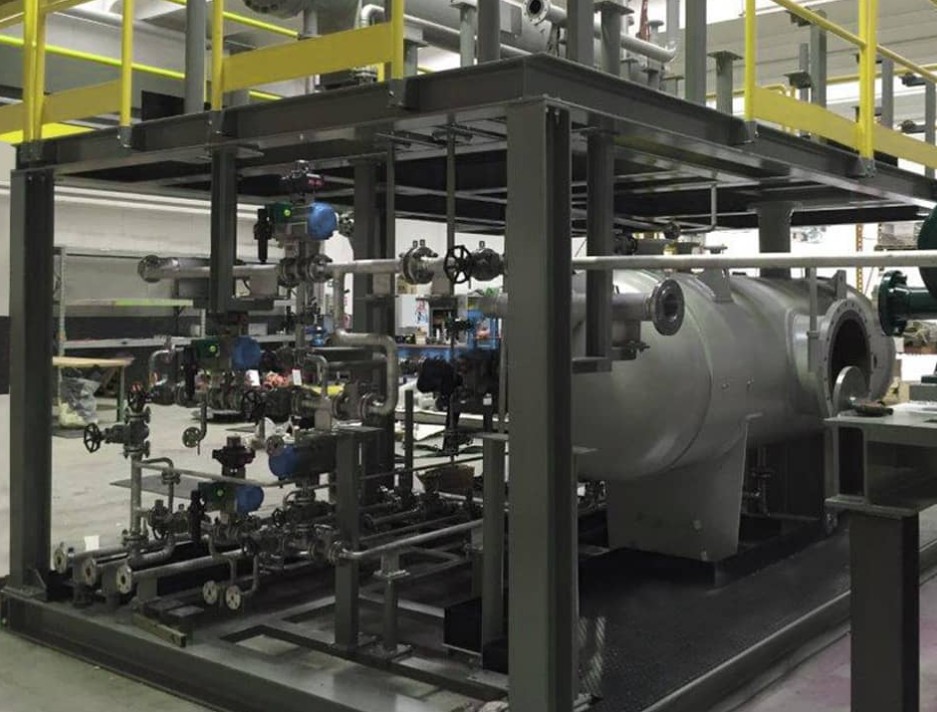
- Skid-mounted piping
- Structural skid frame
The final equipment list depends on the process design and project requirements.
Typical Applications
Aegis Projects Flare Gas Recovery Systems can be engineered for applications including:
Flare Gas Recovery
Recovery of gas from refinery and process plant flare headers for controlled reuse or further treatment.
Vapor & VOC Recovery
Recovery of suitable hydrocarbon vapors and volatile organic compounds from storage, processing, and production systems.
FPSO & Offshore Applications
Packaged recovery systems can be engineered for suitable offshore applications where space, weight, hazardous-area classification, environmental conditions, and continuous operation are important considerations.
Vent Gas & Off-Gas Compression
Compression and recovery of suitable low-pressure vent and off-gas streams for reuse or downstream processing.
Refineries
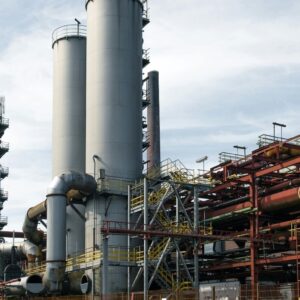
Flare gas recovery can be integrated into refinery systems to recover suitable hydrocarbon streams and route them toward fuel gas or other process systems.
Petrochemical Plants
FGR systems can be applied to petrochemical facilities where process gases and hydrocarbon vapors are routinely routed to flare systems.
Oil & Gas Facilities
Applications can include production facilities, gas processing plants, terminals, storage facilities, and other hydrocarbon-handling installations.
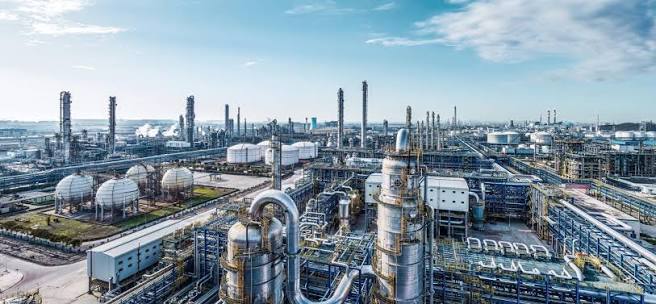
Flare Gas Recovery for Refineries & Petrochemical Plants
Refineries and petrochemical facilities can experience changing flare loads due to normal operations, process disturbances, maintenance activities, and other operating conditions.
An engineered FGR package can be integrated with the plant flare header and downstream gas treatment or fuel gas system.
The system can be designed around the facility’s:
- Minimum and maximum flare gas flow
- Normal operating flow
- Suction pressure range
- Discharge pressure requirement
- Gas composition
- H₂S concentration
- Hydrocarbon content
- Gas temperature
- Liquid carryover
- Required recovery rate
- Downstream fuel gas requirements
Automation & Control
Aegis Projects can integrate PLC-based control and HMI systems for monitoring and controlling the flare gas recovery package.
Depending on the project, the control system can monitor:
- Compressor operation
- Suction pressure
- Discharge pressure
- Gas temperature
- Seal/process liquid pressure
- Seal/process liquid temperature
- Separator conditions
- Flow rate
- Motor status
- Valve status
- Alarm conditions
- Emergency shutdown status
Protective functions and interlocks can be incorporated according to the project-specific process safety requirements.
Safety Considerations
Flare gas can contain flammable hydrocarbons, toxic gases such as H₂S, corrosive compounds, and other contaminants. FGR systems therefore require detailed process and safety engineering.
Important considerations may include:
- Hazardous-area classification
- Gas detection
- Emergency shutdown
- Pressure relief
- Flammable gas protection
- H₂S protection where applicable
- Appropriate electrical equipment
- Earthing and bonding
- Material compatibility
- Compressor protection
- High/low pressure protection
- High-temperature protection
- Liquid carryover management
- Safe venting and drainage
- Applicable process safety requirements
Final safety systems and equipment selection should be established according to the project-specific hazard analysis, applicable codes, standards, and local regulations.
Customized Flare Gas Recovery Systems
Every flare system has different operating conditions. Aegis Projects can develop customized FGR configurations based on:
- Flare gas composition
- Minimum and maximum flow
- Suction pressure
- Discharge pressure
- Gas temperature
- H₂S concentration
- Liquid carryover
- Required recovery capacity
- Compressor technology
- Cooling requirements
- Gas treatment requirements
- Available installation space
- Hazardous-area classification
- Automation requirements
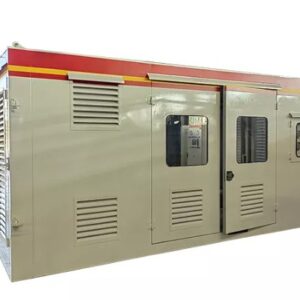
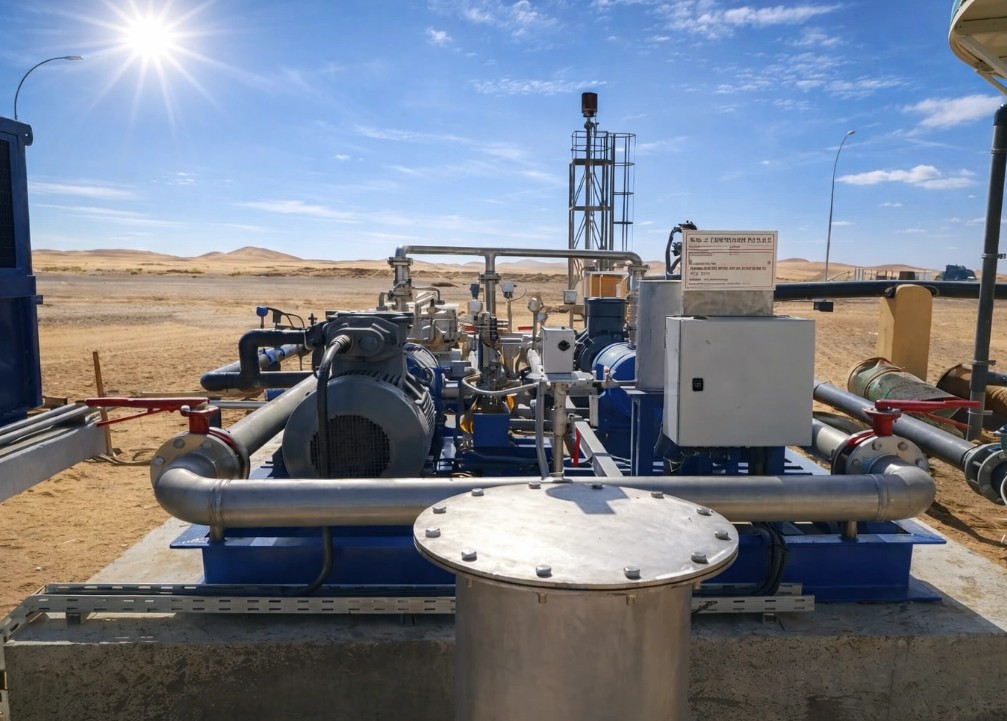
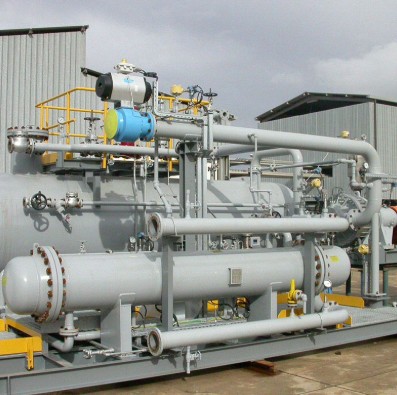
Systems can be supplied as skid-mounted packaged units with integrated piping, instrumentation, controls, separation, cooling, and compressor equipment.
Industries Served
Flare gas recovery solutions can be applied across:
- Oil & gas
- Refineries
- Petrochemical plants
- Chemical processing
- Natural gas processing
- Hydrocarbon terminals
- Gas processing facilities
- Offshore platforms
- FPSO facilities
- Industrial process plants
- Fuel and hydrocarbon storage facilities
Aegis Projects Technology
Aegis Projects Technology provides engineered flare gas recovery, vapor recovery, gas compression, packaged compressor, pumping, metering, and process skid solutions for industrial applications.
Our approach is based on the actual process requirements of each installation, with consideration for gas composition, pressure, flow, temperature, hazardous-area requirements, downstream utilization, automation, and safety.
From flare gas capture and compression to separation, treatment, and recovered-gas utilization, Aegis Projects can develop an integrated flare gas recovery solution for your facility.
Aegis Projects Technology — Engineered Gas Compression, Recovery & Process Systems.