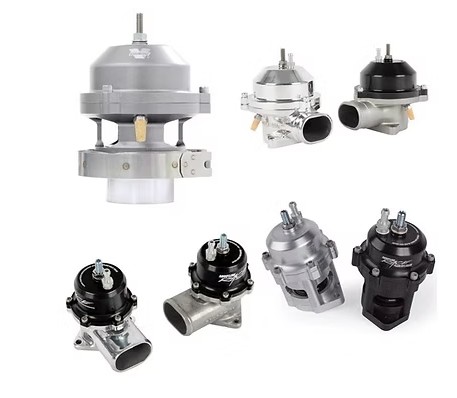
Description
Function of Bypass & Blow-Off Valves
Bypass and blow-off valves can perform several functions within a centrifugal compressor system, including:
Controlling compressor airflow
Supporting compressor unloading
Managing discharge pressure
Preventing excessive pressure buildup
Maintaining minimum required compressor flow
Supporting anti-surge operation
Redirecting compressed air
Releasing excess compressed air
Supporting compressor start-up and shutdown
Providing controlled operation during changing demand
Protecting the compressor against unstable operating conditions
The exact function depends on whether the valve is configured as a bypass, recycle, blow-off, or anti-surge valve.
Bypass Valve
A bypass valve redirects a controlled portion of compressed air or gas from the discharge side toward another point in the compressor system, often the suction or inlet side.
This arrangement can be used to maintain the required minimum flow through the compressor when downstream demand decreases.
A bypass system may therefore help:
Maintain compressor flow
Reduce the risk of unstable operation
Support unloading
Manage compressor capacity
Control pressure
Assist with start-up and shutdown sequences
The actual bypass flow path depends on the compressor package and piping configuration.
Blow-Off Valve
A blow-off valve provides a controlled path for releasing compressed air from the compressor system when required.
It may be used during:
Compressor start-up
Compressor shutdown
Low-demand conditions
Unloading
Pressure control
Anti-surge operation
Emergency operating conditions where specified
The discharge location and venting arrangement must be suitable for the compressed-air system and site requirements.
Anti-Surge Application
Centrifugal compressors have a defined operating range, and operation outside the stable flow region can result in surge.
An anti-surge control system may use a fast-acting bypass or recycle valve to increase compressor flow when operating conditions approach the surge limit.
A typical anti-surge arrangement can include:
Compressor → Discharge → Control Valve → Recycle/Bypass Line → Compressor Inlet
The control system continuously evaluates operating parameters and adjusts the valve position according to the compressor’s control strategy.
Importance of Fast Valve Response
For centrifugal compressor anti-surge applications, valve response can be particularly important because compressor operating conditions can change rapidly.
Depending on the system design, the valve may require:
Fast opening response
Controlled closing response
Appropriate actuator sizing
Reliable position feedback
Accurate control
High cycle capability
Stable operation under changing pressure conditions
The required response characteristics should be established according to the compressor manufacturer’s anti-surge control philosophy.
Valve Construction
Bypass and blow-off valves are engineered for the specific pressure, temperature, flow, and service conditions of the compressor system.
Typical components may include:
Valve body
Valve trim
Seat
Plug or disc
Stem
Actuator
Positioner
Solenoid valve
Position feedback device
Seals
Gaskets
Connection components
The exact configuration depends on the valve design and application.
Actuation Options
Bypass and blow-off valves can be operated manually or automatically depending on their application.
Common actuation arrangements include:
Pneumatic Actuation
Pneumatic actuators are commonly used for rapid automatic control applications and can be integrated with compressor control systems.
Electric Actuation
Electric actuators can be used where electrical control is appropriate for the valve application and required response characteristics.
Hydraulic Actuation
Hydraulic actuation may be considered for specialized applications requiring particular force or response characteristics.
Solenoid-Controlled Systems
Solenoid valves can control pneumatic actuators according to signals received from the compressor control system.
Control System Integration
Bypass and blow-off valves can be integrated with compressor control panels and plant automation systems.
Possible interfaces include:
PLC
HMI
SCADA
DCS
Anti-surge controller
Pressure transmitters
Flow transmitters
Temperature transmitters
Valve position feedback
Emergency shutdown systems
The valve position may be continuously adjusted based on compressor operating parameters and the programmed control strategy.
Typical Operating Parameters Monitored
A compressor control system may consider parameters such as:
Parameter Purpose
Suction Pressure Determines compressor inlet condition
Discharge Pressure Monitors compressor outlet condition
Flow Rate Determines compressor operating point
Temperature Monitors operating condition
Compressor Speed Determines compressor operating state
Valve Position Confirms control response
Differential Pressure Supports valve and flow calculations
Vibration Helps monitor compressor condition
The exact control parameters depend on the compressor and anti-surge system design.
Valve Materials
Material selection depends on the service medium, pressure, temperature, corrosion conditions, and project specifications.
Potential material considerations include:
Carbon steel
Stainless steel
Alloy steel
Specialized valve alloys
Engineering materials for seals
Application-specific trim materials
The final material specification should be confirmed against the original equipment or approved engineering requirements.
Common Applications
Bypass and blow-off valves can be used in:
Centrifugal air compressors
Multistage centrifugal compressors
Industrial compressed-air systems
High-capacity air compressor packages
Process air systems
Compressor anti-surge systems
Compressor recycle systems
Compressor unloading systems
Industrial utility air systems
Maintenance and Inspection
Regular inspection of bypass and blow-off valves is important for maintaining compressor control and protection functions.
Inspection may include:
Valve body condition
Seat condition
Valve trim condition
Actuator operation
Valve stroke
Position feedback
Pneumatic supply
Solenoid operation
Leakage
Seal condition
Control response
Instrumentation
Connection and piping condition
For anti-surge applications, functional testing should also confirm that the valve responds correctly to the associated control system.
Common Valve Problems
Potential problems with bypass and blow-off valves include:
Valve leakage
Slow opening
Slow closing
Incomplete valve movement
Actuator failure
Position feedback failure
Seat damage
Trim wear
Seal deterioration
Instrument-air problems
Solenoid malfunction
Incorrect valve calibration
Control-system communication problems
A valve problem can affect compressor operating stability, particularly when the valve forms part of an anti-surge or unloading system.
Replacement and Retrofit Applications
Aegis Projects can support bypass and blow-off valve requirements for:
Centrifugal compressor maintenance
Anti-surge valve replacement
Compressor overhaul
Blow-off valve replacement
Bypass valve replacement
Compressor control upgrades
Valve actuator replacement
Retrofit projects
Planned shutdown maintenance
Compressor package refurbishment
For replacement applications, the existing valve specifications should be reviewed to ensure compatibility with the compressor control system and piping arrangement.
Valve Selection Parameters
Selection Parameter Requirement
Compressor Type Centrifugal air compressor
Valve Function Bypass, blow-off, recycle, anti-surge, etc.
Valve Size Required line size
Flow Capacity Required air flow
Operating Pressure Normal and maximum pressure
Operating Temperature Normal and maximum temperature
Differential Pressure Valve operating condition
Actuator Pneumatic, electric, hydraulic, etc.
Response Time Required opening/closing response
Control Signal PLC, anti-surge controller, etc.
Valve Material Based on service conditions
Connection Flanged, welded, or other
Position Feedback Required control arrangement
Compressor Model Specific equipment compatibility
Why Choose Aegis Projects?
Aegis Projects Technology Pvt. Ltd. provides industrial compressor equipment, spare parts, valves, automation solutions, and engineering support for compressed-air and process applications.
Our bypass and blow-off valve solutions can support:
Centrifugal compressor anti-surge systems
Compressor unloading
Air-flow management
Pressure control
Compressor maintenance
Valve replacement
Control system upgrades
Compressor retrofit projects
Planned shutdowns
Compressor refurbishment
We can assist with valve selection based on the compressor make and model, valve size, flow requirement, pressure, temperature, actuator type, response requirements, existing valve specifications, and control-system details.
Request a Quote
For centrifugal compressor bypass and blow-off valves, provide your compressor make and model, existing valve details, valve size, operating pressure and temperature, flow requirement, actuator details, photographs, and available technical drawings.
Aegis Projects can review the application and assist with an appropriate bypass, blow-off, recycle, or anti-surge valve solution for your centrifugal air compressor system.
Aegis Projects – Industrial Compressor, Valve & Automation Solutions