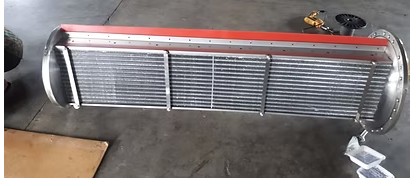
Description
Function of a Centrifugal Compressor Impeller
The impeller is responsible for transferring energy to the air as it rotates at high speed.
Its primary functions include:
- Increasing air velocity
- Transferring mechanical energy to the air
- Increasing the total pressure of the air
- Directing air toward the diffuser
- Supporting the required compressor stage pressure ratio
- Maintaining the designed flow characteristics
- Supporting efficient compression
- Operating within the compressor’s specified aerodynamic range
The impeller is therefore one of the most critical components in determining the aerodynamic performance of a centrifugal compressor.
Impeller Operating Principle
A simplified centrifugal compressor flow path is:
Compressor Inlet → Impeller → Diffuser → Return Passage / Volute → Next Stage or Discharge
Air enters near the center of the rotating impeller and is accelerated as it travels outward through the impeller passages.
The rotating impeller transfers energy to the air, increasing its velocity and pressure. The high-velocity air then enters the diffuser, where part of the velocity energy is converted into additional static pressure.
Impeller Construction
A centrifugal compressor impeller is a precision-engineered rotating component.
Depending on the compressor design, an impeller may include:
- Hub
- Back plate or shroud
- Blades
- Blade passages
- Eye or inlet section
- Impeller outlet
- Shaft mounting interface
- Keyway or other drive arrangement where applicable
- Balance features
The exact geometry depends on the compressor stage and aerodynamic design.
Open and Shrouded Impellers
Centrifugal compressor impellers may have different configurations depending on the compressor design.
Open Impellers
Open impellers have exposed blade passages and may be used in specific compressor applications where the aerodynamic and mechanical design permits.
Shrouded Impellers
Shrouded impellers incorporate a cover or shroud over the blade passages and can provide a defined aerodynamic passage.
The appropriate configuration is determined by the original compressor design.
Impeller Blade Design
The blades are critical aerodynamic surfaces that control the movement of air through the impeller.
Important characteristics can include:
- Blade geometry
- Blade angle
- Number of blades
- Blade height
- Inlet geometry
- Outlet geometry
- Passage area
- Blade thickness
- Leading-edge profile
- Trailing-edge profile
- Surface finish
These characteristics are designed specifically for the compressor’s operating envelope.
Impeller Materials
Impeller materials are selected according to rotational speed, mechanical loading, operating temperature, corrosion conditions, fatigue requirements, and compressor design.
Potential material considerations include:
- Stainless steels
- Alloy steels
- Aluminium alloys
- Titanium alloys
- Nickel-based alloys
- Other application-specific high-strength materials
The final material should be confirmed according to the original equipment specification and approved engineering requirements.
High-Speed Rotational Requirements
Centrifugal compressor impellers operate at high rotational speeds and are exposed to significant centrifugal forces.
Important engineering considerations include:
- Rotational speed
- Maximum allowable speed
- Material strength
- Rotor balance
- Blade stress
- Fatigue resistance
- Shaft connection
- Dimensional accuracy
- Operating temperature
Impellers must therefore be manufactured and inspected according to appropriate rotating-equipment requirements.
Impeller Balancing
Dynamic balance is particularly important for high-speed centrifugal compressor rotors.
An improperly balanced impeller can contribute to:
- Increased vibration
- Increased bearing loading
- Shaft stress
- Mechanical instability
- Premature bearing wear
- Reduced equipment reliability
Balancing requirements should follow the compressor manufacturer’s specifications and applicable engineering procedures.
Impeller Clearances
The impeller operates with defined clearances relative to surrounding stationary components.
Important clearances may include:
- Radial clearances
- Axial clearances
- Eye/inlet clearances
- Diffuser clearances
- Seal clearances
Incorrect clearances can affect aerodynamic performance and may increase the risk of rubbing or mechanical damage.
Clearances should be maintained according to the compressor manufacturer’s specified limits.
Impeller Surface Condition
The aerodynamic surfaces of the impeller can influence compressor performance.
Inspection may identify:
- Erosion
- Corrosion
- Deposits
- Blade damage
- Foreign-object damage
- Cracks
- Deformation
- Surface roughness
- Leading-edge damage
- Trailing-edge damage
Even localized damage can affect airflow and stage performance depending on its location and severity.
Common Causes of Impeller Damage
Impeller deterioration can result from:
- Foreign-object ingestion
- Corrosive contaminants
- Erosion
- Excessive temperature
- Mechanical rubbing
- Excessive vibration
- Rotor imbalance
- Fatigue
- Improper installation
- Abnormal operating conditions
- Deposits or contamination
The actual cause of damage should be established through appropriate inspection and engineering assessment.
Signs of Impeller Problems
Potential indications of impeller damage or deterioration include:
- Reduced compressor capacity
- Reduced discharge pressure
- Increased vibration
- Abnormal operating noise
- Reduced compressor efficiency
- Increased operating temperature
- Unstable compressor operation
- Abnormal stage pressure
- Increased power consumption
These symptoms can also originate from other compressor components or control systems and should therefore be investigated systematically.
Impeller Inspection
During compressor maintenance or overhaul, inspection may include:
- Blade condition
- Leading edges
- Trailing edges
- Hub condition
- Shroud condition
- Surface erosion
- Corrosion
- Cracks
- Dimensional condition
- Balance condition
- Shaft interface
- Clearances
- Surface finish
For critical high-speed components, appropriate non-destructive testing may be considered.
Impeller Replacement and Overhaul
Aegis Projects can support impeller requirements for:
- Centrifugal compressor overhauls
- Impeller replacement
- Compressor refurbishment
- Performance restoration
- Planned shutdown maintenance
- Rotor maintenance
- Replacement of damaged aerodynamic components
- Compressor modernization
Replacement impellers should be matched to the original compressor stage and associated aerodynamic components.
Impeller Compatibility
An impeller should not be selected only on the basis of physical dimensions.
Compatibility may need to be confirmed with:
- Diffuser
- Return channel
- Compressor casing
- Shaft
- Seals
- Bearings
- Inlet guide arrangement
- Compressor control system
- Operating speed
- Required flow
- Required pressure ratio
The impeller and associated stationary components form an aerodynamic system and should therefore be evaluated together.
Impeller Selection Parameters
| Selection Parameter | Requirement |
|---|---|
| Compressor Type | Centrifugal air compressor |
| Compressor Make | Original equipment manufacturer |
| Compressor Model | Exact compressor model |
| Stage | Applicable compressor stage |
| Impeller Type | Open, shrouded, or manufacturer-specific |
| Impeller Diameter | Original specification |
| Inlet Diameter | Matching inlet arrangement |
| Outlet Diameter | Matching diffuser arrangement |
| Number of Blades | Original aerodynamic specification |
| Rotational Speed | Operating speed |
| Flow Rate | Required compressor capacity |
| Pressure Ratio | Applicable stage requirement |
| Material | Original/approved material |
| Balance | Dynamic balancing requirements |
| Clearances | Manufacturer-specified values |
| Shaft Connection | Compressor-specific arrangement |
Industrial Applications
Centrifugal compressor impellers are used in compressor systems serving:
- Oil & Gas
- Petrochemical
- Chemical Processing
- Power Generation
- Steel Plants
- Cement Plants
- Automotive Manufacturing
- Pharmaceutical Manufacturing
- Food & Beverage
- Textile Industries
- Engineering Industries
- Process Industries
- Manufacturing Plants
- Industrial Utilities
- Large-Scale Compressed-Air Systems
Why Choose Aegis Projects?
Aegis Projects Technology Pvt. Ltd. provides industrial compressor equipment, spare parts, rotating-equipment components, and engineering support for compressed-air and process applications.
Our impeller solutions can support:
- Centrifugal compressor maintenance
- Compressor stage refurbishment
- Impeller replacement
- Rotor overhaul
- Performance restoration
- Planned shutdowns
- Replacement of damaged aerodynamic components
- Compressor modernization
- Compressor refurbishment projects
We can assist with impeller requirements based on the compressor make and model, stage number, existing impeller part number, dimensions, operating speed, flow rate, pressure ratio, material specification, associated diffuser details, and available drawings.
Request a Quote
For centrifugal compressor impellers, provide the compressor make and model, stage number, existing impeller part number, impeller dimensions, operating speed, photographs, and available technical drawings or inspection reports.
Aegis Projects can review the equipment requirements and assist with suitable impeller replacement and centrifugal compressor aerodynamic-component solutions.
Aegis Projects – Industrial Compressor, Rotating Equipment & Spare Parts Solutions