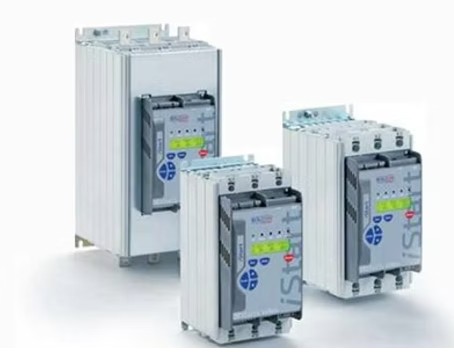
Description
Functions of Electronic Device Controls
Electronic control devices can be used for:
- Monitoring hydraulic pressure
- Monitoring hydraulic oil temperature
- Monitoring fluid level
- Monitoring flow conditions
- Controlling hydraulic valves
- Controlling pumps and motors
- Providing alarm signals
- Protecting equipment against abnormal operating conditions
- Processing sensor signals
- Providing digital or analogue control outputs
- Supporting automated hydraulic systems
- Interfacing hydraulic equipment with PLCs and control systems
- Monitoring machine operating parameters
The exact function depends on the specific electronic device and system configuration.
How Electronic Device Controls Work
An electronic control system generally receives information from one or more sensors or switches.
The control device processes the incoming signal according to its programmed or configured operating parameters and generates an output signal for the relevant equipment.
A typical arrangement is:
Sensor / Input Device → Electronic Controller → Output Signal → Valve / Pump / Motor / Alarm
For example, a pressure sensor can provide a pressure signal to an electronic controller. The controller can then generate an output to operate a hydraulic valve, control a pump, or initiate an alarm according to the system configuration.
Types of Electronic Device Controls
Electronic controls can be available in different forms depending on their application.
1. Electronic Pressure Controls
These devices monitor hydraulic or process pressure and can provide switching, analogue, or digital outputs depending on the design.
They can be used for:
- Pressure monitoring
- High-pressure alarms
- Low-pressure alarms
- Pump control
- Hydraulic system protection
2. Electronic Temperature Controls
Temperature-control devices receive temperature information from compatible sensors and can provide control outputs based on configured temperature limits.
Applications may include hydraulic oil temperature monitoring and equipment protection.
3. Electronic Flow Controls
Electronic flow-control devices can monitor or regulate fluid flow according to system requirements.
They may be integrated with sensors, valves, controllers, or automation systems.
4. Electronic Level Controls
Level-monitoring devices can be used to monitor hydraulic oil or other fluid levels within reservoirs and tanks.
They can provide warning or control signals when the fluid reaches defined conditions.
5. Digital Controllers
Digital controllers can process multiple inputs and control outputs according to programmed parameters.
Depending on the model, they may provide:
- Digital displays
- Relay outputs
- Analogue outputs
- Sensor inputs
- Alarm functions
- Communication interfaces
6. Electronic Valve Controls
Electronic devices can be used to control solenoid, proportional, or other electrically actuated hydraulic valves.
7. Monitoring and Protection Devices
These devices monitor system conditions and can provide warnings, shutdown signals, or protective outputs when operating parameters exceed defined limits.
Main Components
Depending on the device, electronic control equipment may include:
- Electronic control circuit
- Microprocessor
- Sensor inputs
- Digital inputs
- Analogue inputs
- Relay outputs
- Analogue outputs
- Display
- Push buttons
- Communication interface
- Electrical terminals
- Connector
- Housing
- Power-supply circuit
- Configuration interface
The actual construction varies according to the specific electronic control device.
Electronic Controls in Hydraulic Systems
Electronic controls can improve the integration between hydraulic and electrical control systems.
A typical system may combine:
Hydraulic Pump → Hydraulic Valve → Actuator
with:
Pressure / Temperature / Position Sensors → Electronic Controller → Valve / Pump Control
This allows hydraulic machinery to operate according to measured system conditions and programmed control requirements.
Applications
Electronic device controls can be used in:
- Hydraulic power units
- Industrial hydraulic systems
- Manufacturing machinery
- Hydraulic presses
- Machine tools
- Injection moulding machinery
- Construction equipment
- Material-handling equipment
- Mobile hydraulic systems
- Mining machinery
- Agricultural machinery
- Packaging equipment
- Process machinery
- Automation systems
- Pump-control systems
- Hydraulic valve-control systems
- Industrial equipment monitoring
Electronic Signals and Outputs
Depending on the device, electronic controls may use different signal types.
Common signal arrangements can include:
- Digital inputs
- Digital outputs
- Relay outputs
- Analogue inputs
- Analogue outputs
- Sensor-specific inputs
- Communication interfaces
The signal type must be compatible with the connected sensor, PLC, valve, pump controller, or other equipment.
Common Electronic Control Problems
Electronic control problems can affect hydraulic equipment operation.
Common symptoms include:
- Device not powering on
- Incorrect sensor readings
- Output signal failure
- Intermittent operation
- Communication failure
- Incorrect alarm activation
- Valve not responding
- Pump control failure
- Display malfunction
- Damaged connectors
- Wiring faults
- Incorrect configuration
- Sensor compatibility problems
- Electrical supply problems
Troubleshooting should consider the electronic device, connected sensors, wiring, power supply, and controlled equipment together.
Inspection and Maintenance
Inspection of electronic control devices may include:
- Checking the power supply
- Inspecting electrical connections
- Checking connectors
- Inspecting cables
- Checking sensor signals
- Verifying input and output signals
- Checking display operation
- Reviewing configured parameters
- Checking communication connections
- Inspecting for moisture or contamination
- Checking enclosure condition
- Monitoring abnormal alarms
Electronic equipment should be maintained according to the manufacturer’s specifications and the operating environment.
Installation Considerations
Proper installation is important for reliable electronic control operation.
Consider the following:
- Confirm the device’s electrical supply requirements.
- Verify input and output signal compatibility.
- Confirm sensor compatibility.
- Protect wiring from mechanical damage.
- Keep electrical connections clean and secure.
- Protect the device from excessive moisture where required.
- Avoid unsuitable electromagnetic interference sources where applicable.
- Confirm correct terminal connections.
- Configure operating parameters correctly.
- Check all inputs and outputs during commissioning.
Electronic Device Control Selection
The correct electronic control device should be selected according to the hydraulic equipment and automation requirements.
| Specification | Requirement |
|---|---|
| Application | Hydraulic / Industrial / Automation / Process Control |
| Device Type | Controller / Monitor / Switch / Interface / Other |
| Function | Pressure / Temperature / Flow / Level / Valve / Pump Control |
| Supply Voltage | According to Electrical System |
| Input Type | Digital / Analogue / Sensor Specific |
| Output Type | Relay / Digital / Analogue / Communication |
| Number of Inputs | According to Application |
| Number of Outputs | According to Application |
| Sensor Compatibility | According to Device |
| Control Range | Application Specific |
| Display | Required / Not Required |
| Communication | According to System |
| Protection Rating | According to Installation Environment |
| Operating Temperature | Application Specific |
| Mounting | Panel / DIN Rail / Equipment / Other |
| Connection Type | According to Model |
| Hydraulic System | Application Specific |
| Manufacturer / Part Number | As Required |
Replacement Considerations
When replacing an electronic control device, compatibility should be verified beyond physical dimensions.
Check:
- Existing device model and part number
- Supply voltage
- Input signal type
- Output signal type
- Number of inputs and outputs
- Sensor compatibility
- Communication protocol where applicable
- Connector configuration
- Mounting arrangement
- Operating temperature
- Protection rating
- Control range
- Programming or configuration requirements
An electronic device with similar physical dimensions may still be unsuitable if its electrical signals, configuration, or communication requirements differ.
Electronic Control Failure Investigation
Before replacing a failed electronic device, the complete control circuit should be inspected.
Potential causes may include:
- Incorrect supply voltage
- Wiring faults
- Damaged connectors
- Sensor failure
- Incorrect configuration
- Electrical interference
- Moisture ingress
- Overheating
- Incorrect output load
- Communication problems
- Hydraulic equipment faults affecting sensor readings
Identifying the underlying cause can help prevent repeated electronic-control failures.
Electronic Device Controls Supplier – Aegis Projects
Aegis Projects Technology Pvt. Ltd. supplies electronic control devices and hydraulic system components for industrial and commercial applications.
Our range can include electronic controls, pressure controls, temperature controls, sensors, hydraulic valves, hydraulic pumps, hydraulic filtration systems, hydraulic cylinders, hydraulic filters, and other hydraulic and industrial control components.
Electronic device controls can be selected according to the required control function, electrical supply, input and output signals, sensor compatibility, communication requirements, mounting configuration, operating environment, and application conditions.
Contact Aegis Projects for electronic device controls and compatible hydraulic control components for your machinery and industrial automation requirements.