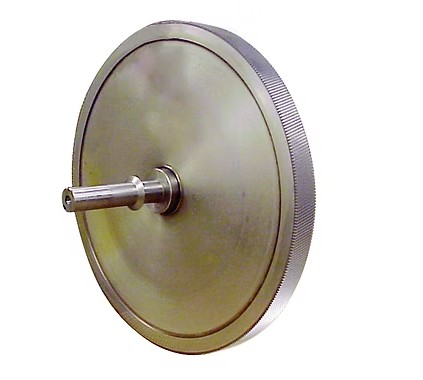
Description
Function of Bullgears
The primary function of a bullgear is to transmit mechanical power within the compressor gear train while maintaining the required relationship between the driving and driven components.
Depending on the compressor design, bullgears may provide:
- Mechanical power transmission
- Speed reduction or speed multiplication through the gear arrangement
- Power distribution to compressor pinions
- Accurate rotational synchronization
- Torque transmission
- High-speed gear train operation
- Stable tooth engagement
- Support for the compressor’s designed operating speed
The exact role and configuration of the bullgear depend on the specific centrifugal compressor gearbox design.
Bullgear in a Geared Centrifugal Compressor
In a geared centrifugal compressor, the electric motor or other prime mover may operate at a different speed from the compressor impellers.
The gear assembly enables the compressor to achieve the required impeller rotational speed.
A typical geared arrangement may include:
Prime Mover → Bullgear → Pinion Gear → Compressor Impeller
The exact arrangement can vary depending on whether the compressor incorporates one or multiple pinions and impellers.
The bullgear therefore forms an important part of the mechanical transmission system.
Bullgear Construction
Bullgears are precision-manufactured components designed for demanding rotating-equipment applications.
Depending on the compressor design, a bullgear may incorporate:
- Gear body
- Gear teeth
- Gear rim
- Hub
- Shaft or mounting interface
- Keyway or coupling arrangement where applicable
- Balancing features
- Lubrication interfaces
- Precision-machined surfaces
The geometry and dimensions must be manufactured according to the compressor’s original engineering requirements.
Gear Tooth Design
The gear teeth are among the most critical features of a bullgear.
Important characteristics may include:
- Tooth profile
- Module or diametral pitch
- Number of teeth
- Pressure angle
- Helix angle where applicable
- Tooth width
- Tooth surface finish
- Gear accuracy
- Backlash
- Contact pattern
Correct tooth geometry is essential for maintaining proper engagement between the bullgear and mating pinion gears.
Bullgear Materials
Bullgear materials are selected according to the required torque, rotational speed, gear dimensions, operating conditions, and manufacturer’s engineering specification.
Potential material considerations include:
- Alloy steels
- Forged steels
- Heat-treated gear steels
- Case-hardened materials
- Surface-hardened gear materials
Depending on the design, heat treatment or surface-hardening processes may be used to improve resistance to tooth wear, contact stresses, and fatigue.
The final material and heat-treatment specification should be confirmed against the original compressor or gearbox documentation.
Gear Surface Treatment and Finishing
Precision finishing of the gear teeth can be important for high-speed centrifugal compressor applications.
Depending on the gear design, manufacturing processes may include:
- Precision gear cutting
- Heat treatment
- Surface hardening
- Grinding
- Gear tooth finishing
- Dimensional inspection
- Tooth profile inspection
- Runout inspection
- Balancing
The required manufacturing process depends on the original gear design and operating requirements.
Lubrication of Bullgears
Bullgears operate within a controlled lubrication environment to reduce friction, remove heat, and protect gear teeth and associated components.
The lubrication system may provide:
- Continuous oil supply
- Gear tooth lubrication
- Heat removal
- Wear protection
- Contamination control
- Bearing lubrication where integrated into the gearbox system
Important lubrication parameters can include:
- Oil pressure
- Oil temperature
- Oil flow
- Lubricant viscosity
- Oil cleanliness
- Filtration
The lubricant must be compatible with the gear system and selected according to the compressor manufacturer’s requirements.
Bullgear Inspection
Regular inspection is important for identifying developing gear problems before they lead to compressor downtime.
Inspection may include:
- Gear tooth condition
- Tooth wear
- Pitting
- Scuffing
- Cracking
- Surface damage
- Tooth contact pattern
- Backlash
- Gear runout
- Shaft alignment
- Lubricant condition
- Abnormal vibration
- Gearbox temperature
Specialized non-destructive testing may be considered for critical components where required.
Common Causes of Bullgear Damage
Bullgear damage can result from several mechanical or operating conditions, including:
- Insufficient lubrication
- Contaminated lubricant
- Incorrect gear alignment
- Excessive loading
- Incorrect backlash
- Gear tooth wear
- Gear tooth fatigue
- Surface pitting
- Scuffing
- Overheating
- Excessive vibration
- Shaft misalignment
- Improper installation
- Foreign particles in the lubrication system
The actual cause of gear damage should be determined through appropriate inspection and engineering assessment.
Signs of Bullgear Problems
Potential indications of bullgear or gearbox problems may include:
- Abnormal gear noise
- Increased vibration
- Increased gearbox temperature
- Metallic particles in lubricant
- Unusual tooth wear
- Gear tooth pitting
- Visible surface damage
- Unstable compressor operation
- Changes in lubrication condition
- Increased power consumption
These symptoms can also be associated with other gearbox or compressor components, so proper inspection is required before identifying the source of the problem.
Bullgear Replacement and Overhaul
Aegis Projects can support bullgear requirements for:
- Centrifugal compressor overhauls
- Gearbox refurbishment
- Bullgear replacement
- Planned shutdown maintenance
- Corrective maintenance
- Compressor modernization
- Gear train inspection
- Replacement of worn gear components
During replacement, related components such as mating pinions, bearings, shafts, lubrication systems, and gear housing may also need to be inspected.
Bullgear Selection Parameters
| Selection Parameter | Requirement |
|---|---|
| Compressor Type | Geared centrifugal air compressor |
| Compressor Make | Original equipment manufacturer |
| Compressor Model | Exact compressor model |
| Gear Arrangement | Single or multiple pinion configuration |
| Number of Teeth | Original gear specification |
| Gear Ratio | Required transmission ratio |
| Gear Diameter | Original dimensional requirement |
| Tooth Profile | Manufacturer-specific geometry |
| Tooth Width | Original gear specification |
| Material | Approved gear material |
| Heat Treatment | Original/approved specification |
| Rotational Speed | Operating speed |
| Power Rating | Required transmitted power |
| Lubrication | Gearbox lubrication requirements |
| Mounting | Shaft/hub configuration |
| Balance | Dynamic balancing requirements |
Applications
Bullgears are used in geared centrifugal compressor systems serving industries such as:
- Oil & Gas
- Petrochemical
- Chemical Processing
- Power Generation
- Steel
- Cement
- Automotive
- Pharmaceutical
- Food & Beverage
- Textile
- Manufacturing
- Process Industries
- Engineering Industries
- Industrial Utilities
- Large-Scale Compressed-Air Plants
Why Choose Aegis Projects?
Aegis Projects Technology Pvt. Ltd. provides industrial compressor equipment, spare parts, automation solutions, and engineering support for compressed-air and process applications.
Our bullgear solutions can support:
- Geared centrifugal compressor maintenance
- Bullgear replacement
- Compressor gearbox overhaul
- Gear train refurbishment
- Planned shutdowns
- Replacement of worn gear components
- Compressor modernization projects
We can assist with bullgear requirements based on the compressor make and model, gearbox details, gear dimensions, number of teeth, gear ratio, operating speed, transmitted power, material specification, and available drawings.
Request a Quote
For centrifugal compressor bullgears, provide the compressor make and model, existing bullgear part number, gear dimensions, number of teeth, gearbox details, photographs, and available technical drawings.
Aegis Projects can review the equipment requirements and assist with suitable bullgear replacement and gear-train solutions for your centrifugal air compressor system.
Aegis Projects – Industrial Compressor, Gear & Spare Parts Solutions