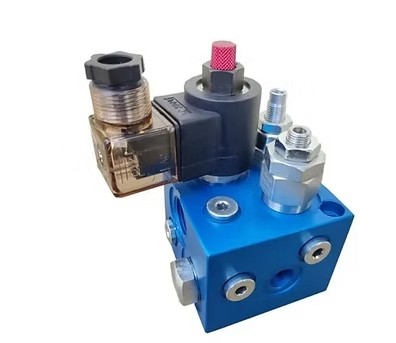
Description
Functions of a Hydraulic Lift Block
A hydraulic lift block may perform several functions within a hydraulic lifting system:
- Distribute hydraulic fluid to lifting circuits
- Connect hydraulic lines and components
- Provide controlled hydraulic flow to lifting cylinders
- Support hydraulic pressure management
- Integrate control valves into the lifting circuit
- Provide a compact hydraulic connection point
- Help simplify hydraulic piping arrangements
- Support controlled lifting and lowering
- Provide mounting for hydraulic control components
- Facilitate maintenance and replacement of hydraulic components
The exact function depends on the hydraulic equipment and lift-block design.
Working Principle
A hydraulic lift block works as part of the hydraulic circuit connecting the pump, control valves, hydraulic lines and lifting actuator.
Pressurised hydraulic fluid enters the lift block through an inlet passage. Internal hydraulic passages direct the fluid toward the appropriate valve, cylinder or actuator. During lowering or return flow, hydraulic fluid travels through the corresponding passages back toward the hydraulic power unit or reservoir.
A typical arrangement can be represented as:
Hydraulic Pump → Control Valve → Lift Block → Hydraulic Cylinder → Load
During lowering:
Hydraulic Cylinder → Lift Block → Control Valve → Hydraulic Reservoir
The internal configuration varies according to the equipment design.
Hydraulic Lift Block Construction
A hydraulic lift block is generally manufactured as a compact machined hydraulic component designed to withstand the operating pressure of the hydraulic system.
Depending on application, construction may include:
- Machined metal body
- Internal hydraulic passages
- Hydraulic inlet and outlet ports
- Threaded connections
- Valve mounting points
- O-rings
- Sealing elements
- Cartridge valve provisions
- Pressure-control connections
- Mounting holes
- Plugs and hydraulic fittings
Material and construction are selected according to pressure, fluid compatibility, operating environment and equipment requirements.
Hydraulic Lift Block Components
Depending on the design, a lift block assembly may be associated with:
- Directional control valves
- Check valves
- Counterbalance valves
- Flow control valves
- Pressure relief valves
- Cartridge valves
- Hydraulic fittings
- Hydraulic hoses
- O-rings
- Seal kits
- Hydraulic pressure ports
- Mounting brackets
- Pipe or hose connections
Not every lift block contains all of these components.
Hydraulic Lift Block Applications
Hydraulic lift blocks can be used in:
- Hydraulic lifting systems
- Hydraulic lifting platforms
- Industrial lifting equipment
- Material-handling machinery
- Hydraulic presses
- Scissor lift systems
- Vehicle lifting equipment
- Industrial automation machinery
- Hydraulic power packs
- Construction equipment
- Agricultural machinery
- Mobile hydraulic equipment
- Special-purpose lifting machinery
Lifting and Lowering Control
A properly configured hydraulic lift block helps route hydraulic fluid between the lifting actuator and hydraulic control circuit.
During lifting, hydraulic fluid is directed toward the lifting cylinder or actuator.
During lowering, hydraulic fluid is controlled through the return circuit. Depending on the system design, flow-control, check or counterbalance functions may be incorporated to help manage load movement.
The actual lifting and lowering behaviour depends on the complete hydraulic circuit rather than the lift block alone.
Hydraulic Pressure Management
Hydraulic lift blocks may operate under significant hydraulic pressure. Their pressure rating must therefore be compatible with the hydraulic system.
Important parameters include:
- Working pressure
- Maximum allowable pressure
- Hydraulic flow
- Hydraulic fluid type
- Operating temperature
- Port configuration
- Valve configuration
- Cylinder requirements
The lift block should never be operated beyond its specified pressure and flow limits.
Hydraulic Connections
Lift blocks may use different hydraulic connection arrangements depending on the equipment.
Possible configurations include:
- Threaded ports
- Hydraulic tube connections
- Hose connections
- Cartridge valve ports
- Manifold-style connections
- Pressure gauge connections
- Auxiliary hydraulic ports
Port size, thread type and connection configuration must be verified before replacement.
Hydraulic Lift Block Spare Parts
Depending on construction, replacement components associated with hydraulic lift blocks may include:
- O-rings
- Seal kits
- Hydraulic plugs
- Cartridge valves
- Check valves
- Flow-control valves
- Counterbalance valves
- Relief valves
- Hydraulic fittings
- Mounting components
- Replacement lift blocks
The correct replacement component should be matched to the original hydraulic circuit and equipment specification.
Common Hydraulic Lift Block Problems
Common problems may include:
- Hydraulic leakage
- Damaged O-rings
- Internal leakage
- Blocked hydraulic passages
- Contaminated hydraulic fluid
- Damaged threads
- Loose hydraulic fittings
- Valve malfunction
- Incorrect hydraulic connections
- Pressure loss
- Excessive pressure drop
- Corrosion or external damage
- Cracked or damaged block body
Hydraulic Lift Block Inspection and Maintenance
Regular inspection is important for maintaining hydraulic lifting-system reliability.
Recommended checks include:
- Inspect the block for external oil leakage
- Check hydraulic fittings and connections
- Inspect O-rings and sealing surfaces
- Check for damaged threads
- Monitor system pressure
- Check for abnormal pressure loss
- Inspect associated valves
- Maintain hydraulic fluid cleanliness
- Replace damaged seals
- Inspect internal passages during overhaul
- Check mounting bolts and supports
Any hydraulic pressure should be safely isolated and released before maintenance.
Hydraulic Fluid Cleanliness
Contaminated hydraulic oil can affect valves and precision passages within a hydraulic lift block.
Contamination may contribute to:
- Valve sticking
- Internal leakage
- Seal damage
- Blocked passages
- Increased wear
- Pressure instability
- Poor lifting performance
Appropriate hydraulic filtration and regular oil maintenance are therefore important for reliable operation.
Installation Considerations
Before installing a hydraulic lift block, verify:
- Hydraulic circuit configuration
- Operating pressure
- Hydraulic flow
- Port size and thread type
- Valve configuration
- Cylinder connection
- Hydraulic fluid compatibility
- Mounting arrangement
- Sealing requirements
- Installation orientation
All hydraulic connections should be correctly tightened according to the applicable equipment and fitting requirements.
Hydraulic Lift Block Selection Guide
| Specification | Requirement |
|---|---|
| Component Type | Hydraulic Lift Block |
| Application | Lifting / Hydraulic Actuation |
| Operating Pressure | According to system requirement |
| Hydraulic Flow | According to application |
| Material | According to equipment specification |
| Port Configuration | Application-specific |
| Connection Type | Threaded / Hose / Tube / Cartridge |
| Valve Configuration | According to hydraulic circuit |
| Seal Material | Compatible with hydraulic fluid |
| Mounting | Equipment-specific |
| Hydraulic Fluid | Compatible hydraulic fluid |
| Operating Temperature | According to system requirement |
| Replacement | Model and circuit dependent |
Replacement Hydraulic Lift Blocks
When replacing a hydraulic lift block, physical dimensions alone should not be used to determine compatibility.
The replacement should be checked for:
- Overall dimensions
- Port positions
- Port sizes
- Thread specifications
- Internal hydraulic circuit
- Pressure rating
- Flow capacity
- Valve configuration
- Mounting holes
- Seal arrangement
- Hydraulic fluid compatibility
A technically similar-looking block may not function correctly if its internal passages or port configuration differ from the original.
Hydraulic Lift Block Failure Investigation
If a lifting system develops leakage, slow movement, pressure loss or unstable lifting performance, the lift block should be examined together with the rest of the hydraulic circuit.
Inspection may include:
- Hydraulic pump performance
- System pressure
- Flow rate
- Control valve operation
- Cylinder condition
- Hydraulic hoses
- Hydraulic fittings
- Lift block passages
- Internal seals
- Check or counterbalance valves
- Hydraulic filter condition
- Hydraulic oil contamination
A complete circuit diagnosis helps identify whether the problem originates from the lift block or another hydraulic component.
Why Choose Aegis Projects?
Aegis Projects Technology supplies hydraulic components and industrial spare parts for hydraulic machinery and lifting systems.
Our hydraulic component solutions can support requirements for:
- Hydraulic lift blocks
- Hydraulic manifolds
- Hydraulic valves
- Hydraulic fittings
- Hydraulic seals
- O-rings
- Hydraulic cylinders
- Hydraulic hoses
- Hydraulic power packs
- Industrial hydraulic spare parts
Request a Hydraulic Lift Block
For hydraulic lift block requirements, replacement components or technical assistance, contact Aegis Projects Technology with the equipment model, existing lift block details, hydraulic circuit information, operating pressure and available dimensions.
Aegis Projects – Hydraulic Components and Industrial Spare Parts for Reliable Hydraulic Systems.