Description
What Is a Reciprocating Compressor Cylinder?
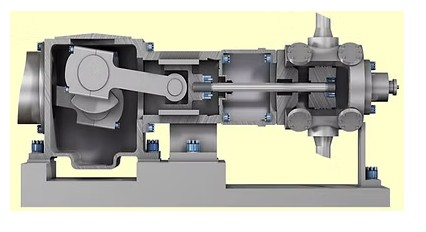
A compressor cylinder is the pressure-containing component of a reciprocating compressor where the piston moves back and forth to compress the working medium.
During operation, the piston travels inside the cylinder bore. The cylinder and associated components create a controlled compression chamber in which the gas is drawn in, compressed, and discharged.
Typical Compression Cycle
Suction → Compression → Discharge → Expansion
The cylinder works with suction and discharge valves to control the movement of the gas during each piston stroke.
Main Functions
The compressor cylinder provides:
- Controlled compression volume
- Pressure containment
- Piston guidance
- Connection points for suction and discharge valves
- Mounting for cylinder head components
- Interfaces for packing and sealing components
- Heat transfer from the compression process
- Structural support for the compression assembly
The exact cylinder construction and configuration depend on the compressor design and application.
Key Features
- Designed for reciprocating compressor applications
- Suitable for air and gas compression
- Available for replacement and overhaul requirements
- Precision-machined cylinder bore
- Designed for specified operating pressure and temperature
- Available in different materials and configurations
- Suitable for single-stage and multi-stage compressors
- Applicable to lubricated and oil-free compressor designs
- Can be supplied according to compressor specifications
- Suitable for industrial maintenance and refurbishment
Cylinder Construction
Compressor cylinders can be manufactured using materials selected according to the operating conditions and compressor design.
Material selection may depend on:
- Operating pressure
- Operating temperature
- Gas composition
- Corrosion conditions
- Cylinder size
- Compressor speed
- Lubrication arrangement
- Required service life
The final material and construction should be confirmed against the original compressor design and project requirements.
Cylinder Bore
The cylinder bore is the internal machined surface within which the piston travels.
The bore dimensions and surface condition are critical because the piston, piston rings, and cylinder must maintain the required clearances for effective compression.
Excessive bore wear can contribute to:
- Increased internal leakage
- Reduced volumetric efficiency
- Increased gas blow-by
- Higher operating temperatures
- Increased lubricant consumption in lubricated compressors
- Reduced compressor capacity
Cylinder bore condition should therefore be checked during major compressor maintenance and overhaul.
Cylinder Liner
Some reciprocating compressors use a replaceable cylinder liner rather than relying solely on the cylinder body as the primary wear surface.
A cylinder liner can provide a replaceable precision-machined surface for piston movement.
Depending on the compressor design, replacement requirements may involve:
- Complete cylinder
- Cylinder liner
- Cylinder bore refurbishment
- Cylinder head
- Cylinder gaskets
- Piston rings
- Packing components
The applicable configuration depends on the compressor manufacturer and model.
Cylinder Valves
The compressor cylinder works closely with its suction and discharge valves.
During the suction stroke, the suction valve allows the working medium to enter the cylinder.
During compression and discharge, the discharge valve opens when the cylinder pressure reaches the required differential pressure.
Valve condition can significantly influence compressor performance.
Related components may include:
- Suction valve
- Discharge valve
- Valve plate
- Valve seat
- Valve spring
- Valve guard
- Valve assembly
Cylinder Head
The cylinder head closes the cylinder assembly and forms part of the compression chamber.
Depending on the compressor configuration, the cylinder head may provide mounting or connection arrangements for:
- Suction valves
- Discharge valves
- Gas passages
- Cooling passages
- Inspection components
Cylinder-head sealing is important to prevent pressure leakage.
Cylinder Cooling
Reciprocating compression generates heat, particularly at higher pressure ratios.
Depending on the compressor design, cylinders may use:
- Air cooling
- Water cooling
- Jacket cooling
- Other application-specific cooling arrangements
For water-cooled cylinders, cooling passages or water jackets can be incorporated into the cylinder construction.
Proper cooling helps control cylinder temperature and supports reliable compressor operation.
Applications
Reciprocating compressor cylinders are used in:
- Reciprocating air compressors
- Reciprocating gas compressors
- Piston compressors
- High-pressure compressors
- Oil-free reciprocating compressors
- Lubricated reciprocating compressors
- Natural gas compressors
- CNG compressors
- Hydrogen compressors
- Industrial gas compressors
- Process gas compressors
- Chemical plants
- Petrochemical facilities
- Oil and gas installations
- Power plants
- Manufacturing industries
- Industrial compressed air systems
Cylinder Configurations
Depending on the compressor design, cylinders can be configured for:
- Single-stage compression
- Multi-stage compression
- Single-acting operation
- Double-acting operation
- Horizontal compressors
- Vertical compressors
- V-type compressors
- W-type compressors
- Opposed-piston arrangements
- Special process gas applications
The cylinder configuration must correspond to the original compressor architecture.
Cylinder Replacement & Overhaul
Cylinder replacement or refurbishment may be required because of:
- Bore wear
- Cracking
- Corrosion
- Excessive clearance
- Mechanical damage
- Valve-seat damage
- Thread or mounting damage
- Cooling passage problems
- Long-term operating wear
- Compressor overhaul requirements
During an overhaul, the cylinder may be inspected for:
- Bore dimensions
- Surface condition
- Flatness
- Valve-seat condition
- Thread condition
- Cooling passages
- Mounting surfaces
- Cracks or deformation
Cylinder Selection Parameters
Correct identification is essential before ordering a replacement cylinder.
| Parameter | Required Information |
|---|---|
| Compressor Manufacturer | Make / Brand |
| Compressor Model | Exact model |
| Serial Number | Equipment identification |
| Cylinder Number | Stage / position |
| Cylinder Type | Single / double acting |
| Bore Diameter | Required dimension |
| Stroke | Compressor specification |
| Operating Pressure | Suction / discharge |
| Operating Temperature | Application condition |
| Gas Medium | Air / process gas |
| Cooling Method | Air / water cooled |
| Material | Original specification |
| Cylinder Liner | Required / not required |
| Valve Arrangement | Suction / discharge |
| Mounting Dimensions | Existing equipment |
| Part Number | OEM / existing identification |
Providing the compressor nameplate and cylinder identification can help with accurate component selection.
Industrial Reciprocating Compressor Spare Parts
Cylinders form part of a complete range of reciprocating compressor spare parts supplied for compressor maintenance, repair, overhaul, and refurbishment.
Related components include:
- Compressor cylinders
- Cylinder liners
- Pistons
- Piston rings
- Piston rods
- Connecting rods
- Crankshafts
- Crossheads
- Crosshead pins
- Bearings
- Suction valves
- Discharge valves
- Valve plates
- Valve seats
- Valve springs
- Packing cases
- Packing rings
- Rod packing
- Oil scraper rings
- Gaskets
- Seals
- O-rings
- Intercoolers
- Aftercoolers
- Pulsation dampeners
- Lubrication components
- Compressor service kits
- Compressor overhaul kits
Aegis Projects Technology
Aegis Projects Technology supplies reciprocating compressor cylinders and industrial compressor spare parts for maintenance, repair, overhaul, refurbishment, and replacement applications.
For accurate cylinder identification, provide the compressor make, model, serial number, cylinder/stage details, existing part number, bore dimensions, photographs, and available operating specifications.
Aegis Projects Technology — Reciprocating Compressor Spare Parts & Industrial Compression Solutions.