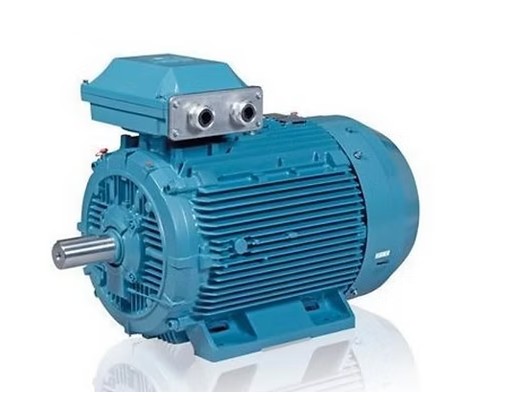
Description
What Is a Compressor Motor?
A compressor motor converts electrical energy into rotational mechanical energy required to drive the compressor element.
In a rotary screw compressor, the motor drives the male rotor either directly or through a suitable transmission arrangement. The rotating screw element then compresses the incoming air or gas.
Typical drive configurations include:
- Direct drive
- Gear drive
- Belt drive
- Coupled drive
The appropriate configuration depends on the original compressor design.
Key Features
- Designed for industrial compressor applications
- Suitable for rotary screw compressor systems
- Available in different power ratings
- Available in different speed configurations
- Suitable for replacement and retrofit applications
- Compatible configurations for direct, geared, or belt-driven systems
- Available for industrial continuous-duty applications
- Suitable for different electrical supply requirements
- Can be selected for standard or application-specific environments
- Available according to compressor manufacturer and model requirements
Motor Selection for Screw Compressors
The motor must be correctly matched to the compressor air end and operating conditions.
Important selection parameters include:
| Parameter | Requirement |
|---|---|
| Motor Power | Required compressor drive power |
| Voltage | Electrical supply voltage |
| Frequency | 50 Hz / 60 Hz as applicable |
| Speed | Required motor RPM |
| Phase | Single / Three Phase as applicable |
| Motor Efficiency | Application requirement |
| Mounting | Foot / flange / application-specific |
| Enclosure | Required protection type |
| Insulation Class | Application requirement |
| Duty | Continuous / application-specific |
| Ambient Temperature | Site operating condition |
| Hazardous Area | Required where applicable |
| Drive Arrangement | Direct / belt / geared / coupled |
Final motor selection should be confirmed against the compressor manufacturer’s technical specifications.
Compressor Motor Power
Motor power must be selected according to the compressor’s operating point.
The required power can depend on:
- Compressor capacity
- Operating pressure
- Pressure ratio
- Air or gas properties
- Compressor speed
- Compression efficiency
- Cooling arrangement
- Operating temperature
- Service conditions
Installing an incorrectly sized motor can result in inefficient operation, overload, excessive heating, or inadequate compressor performance.
Direct Drive Compressor Motors
Direct-drive screw compressors connect the motor and compressor element through a suitable direct-drive arrangement.
Benefits of a properly designed direct-drive system can include:
- Reduced transmission losses
- Compact package design
- Fewer transmission components
- Simplified drive arrangement
- Efficient power transfer
Motor and compressor speeds must be correctly matched for the specific air-end design.
Belt Drive Compressor Motors
Belt-driven screw compressors use belts and pulleys to transmit motor power to the compressor element.
This configuration can provide flexibility in:
- Compressor speed
- Motor selection
- Drive ratio
- Maintenance arrangements
Correct belt tension, alignment, pulley selection, and motor power are important for reliable operation.
Electric Motor Applications
Compressor motors are used in a wide range of industrial applications, including:
- Rotary screw compressors
- Industrial air compressors
- Oil-injected screw compressors
- Oil-free screw compressors
- Factory compressed air systems
- Instrument air systems
- Process air systems
- Manufacturing plants
- Automotive facilities
- Pharmaceutical industries
- Chemical plants
- Petrochemical facilities
- Power plants
- Textile industries
- Packaging plants
- General industrial utilities
Industrial Compressor Motor Replacement
Motor replacement may become necessary due to:
- Motor winding failure
- Bearing failure
- Overheating
- Insulation deterioration
- Electrical faults
- Excessive vibration
- Mechanical damage
- Repeated overload
- Age-related deterioration
- Compressor modernization
Before replacing a motor, the cause of the original failure should be investigated where possible.
Potential causes may include:
- Incorrect voltage
- Phase imbalance
- Overloading
- Poor ventilation
- Bearing problems
- Excessive compressor load
- Incorrect alignment
- Electrical supply issues
- Inadequate maintenance
Motor Protection
Compressor motor systems may incorporate suitable protection against abnormal electrical and operating conditions.
Depending on the installation, protection can include:
- Motor overload protection
- Short-circuit protection
- Phase-loss protection
- Phase-sequence protection
- Over-temperature protection
- Under-voltage protection
- Over-voltage protection
- Current monitoring
- Motor winding temperature monitoring
The final protection arrangement depends on the compressor control system and electrical design.
Variable Frequency Drive Applications
Where required, compressor motors can be configured for Variable Frequency Drive (VFD) applications.
A VFD can control motor speed according to system demand, subject to compatibility with the compressor air end and manufacturer’s operating limits.
Potential benefits include:
- Variable compressor output
- Improved part-load control
- Reduced unloaded running
- Adjustable operating speed
- Potential energy savings
VFD selection must consider motor characteristics, compressor operating range, control strategy, harmonics, cooling, and the compressor manufacturer’s requirements.
Motor for Oil-Injected Screw Compressors
Oil-injected screw compressors commonly use electric motors designed for continuous industrial operation.
The motor must be matched with:
- Compressor air-end power requirement
- Operating pressure
- Compressor speed
- Drive arrangement
- Cooling system
- Electrical supply
- Starting method
Correct motor selection helps ensure stable operation and appropriate compressor performance.
Motor for Oil-Free Screw Compressors
Oil-free screw compressor packages can have specific motor and drive requirements depending on their compression technology.
Motor selection should consider the complete compressor package, including:
- Compression stages
- Rotor speed
- Pressure ratio
- Cooling arrangement
- Transmission system
- Operating duty
- Control method
Replacement Identification
To identify a suitable replacement compressor motor, the following information is recommended:
- Compressor manufacturer
- Compressor model
- Compressor serial number
- Existing motor manufacturer
- Motor model
- Motor power
- Voltage
- Frequency
- RPM
- Current rating
- Mounting arrangement
- Frame size
- Shaft dimensions
- Coupling or pulley details
- Motor nameplate photograph
Providing the complete motor nameplate is particularly useful for replacement assessment.
Industrial Compressor Spare Parts
Compressor motors form part of a wider range of screw compressor spare parts and components supplied for industrial maintenance and overhaul.
Related components include:
- Rotary screw elements
- Compressor motors
- Separator vessels
- Air-oil separator elements
- After coolers
- Water separators
- Non-return check valves
- System controllers
- Gaskets and seals
- Air filters
- Oil filters
- Minimum pressure valves
- Thermostatic valves
- Solenoid valves
- Bearings
- Couplings
- Service kits
- Overhaul kits
Aegis Projects Technology
Aegis Projects Technology supplies compressor motors and industrial screw compressor spare parts for replacement, maintenance, repair, overhaul, and compressor refurbishment applications.
For accurate motor selection, provide the compressor make, model, serial number, existing motor nameplate, power rating, voltage, RPM, mounting details, and drive arrangement.
Aegis Projects Technology — Industrial Compressor Spare Parts & Compressed Air Solutions.