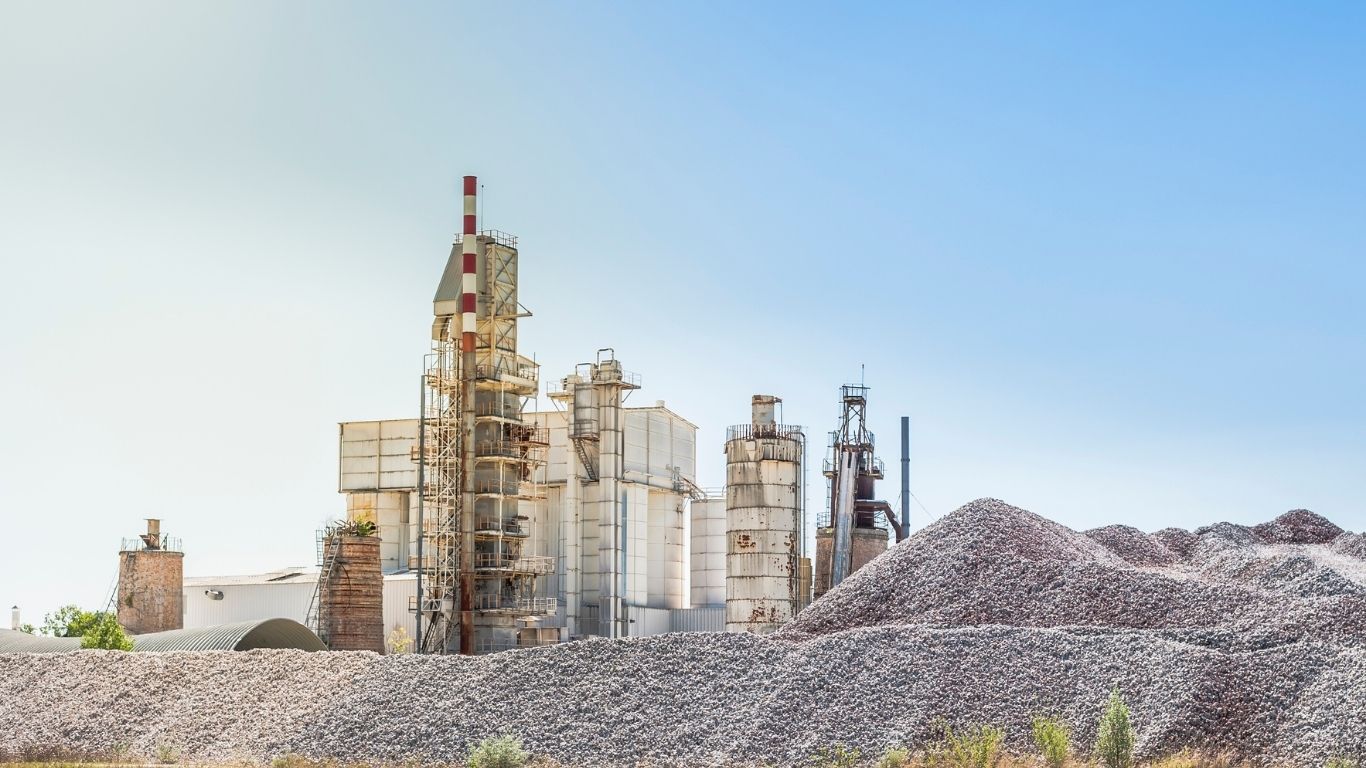
Description
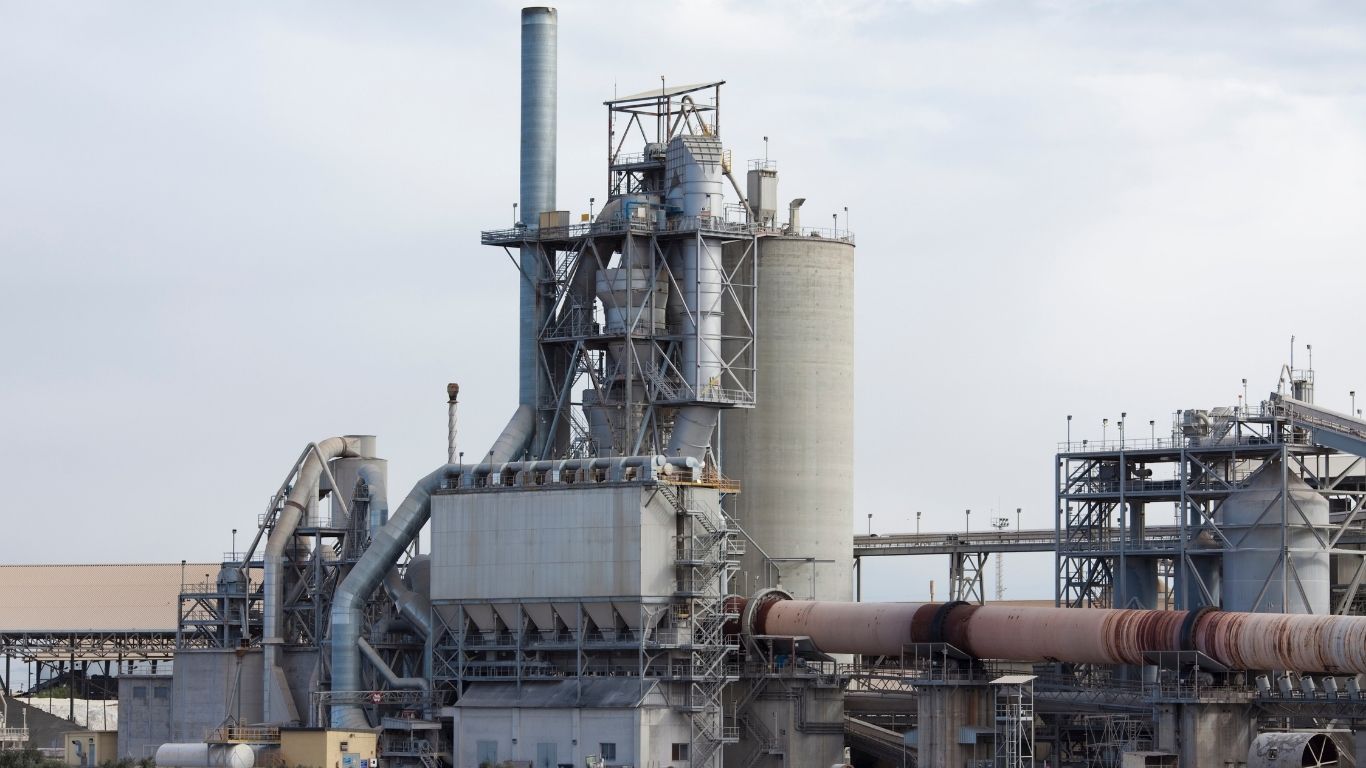
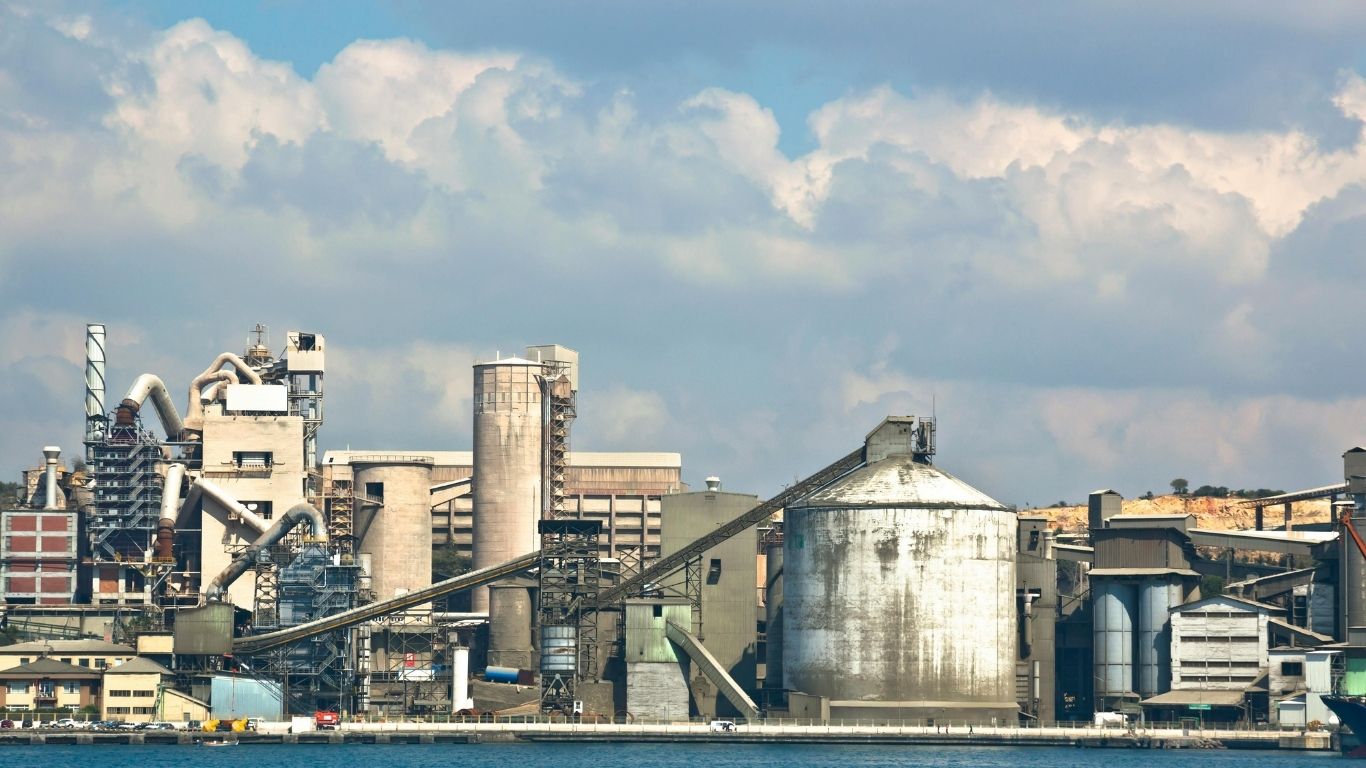
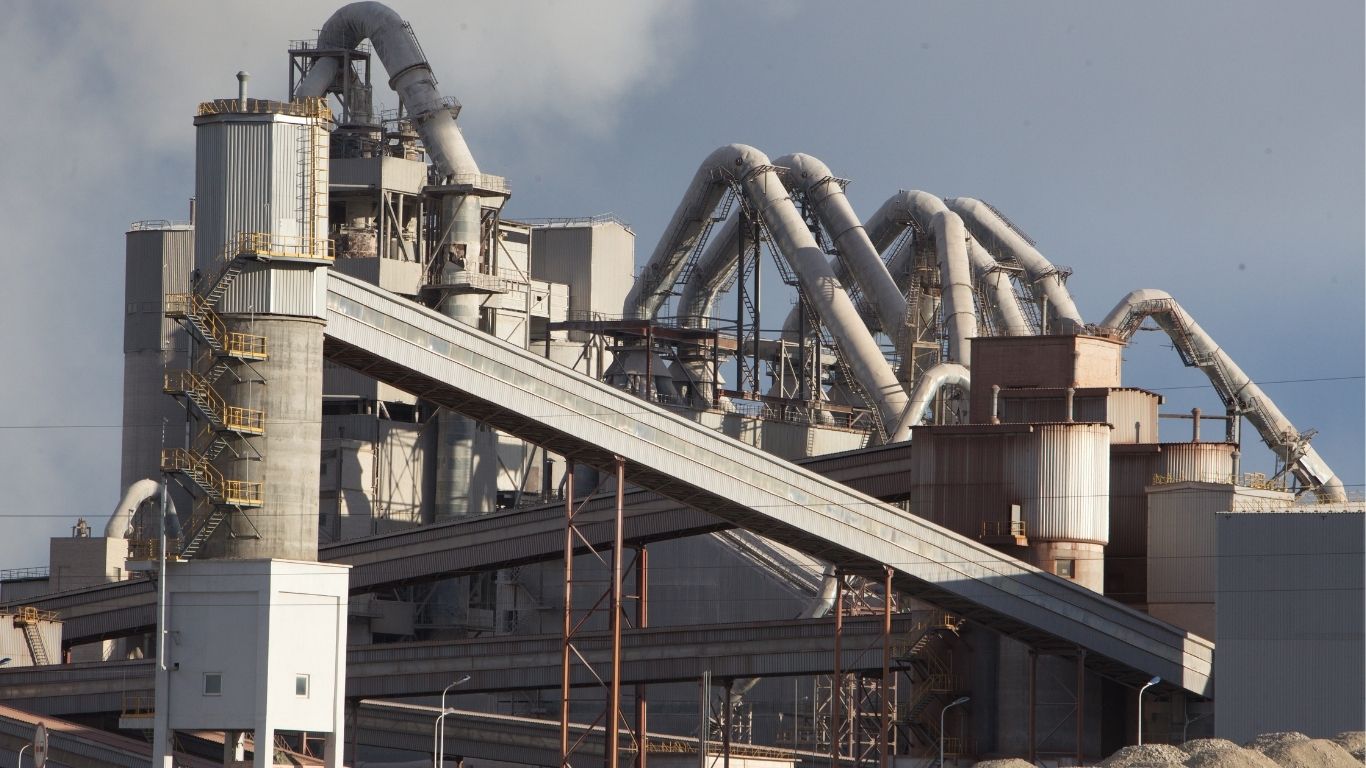
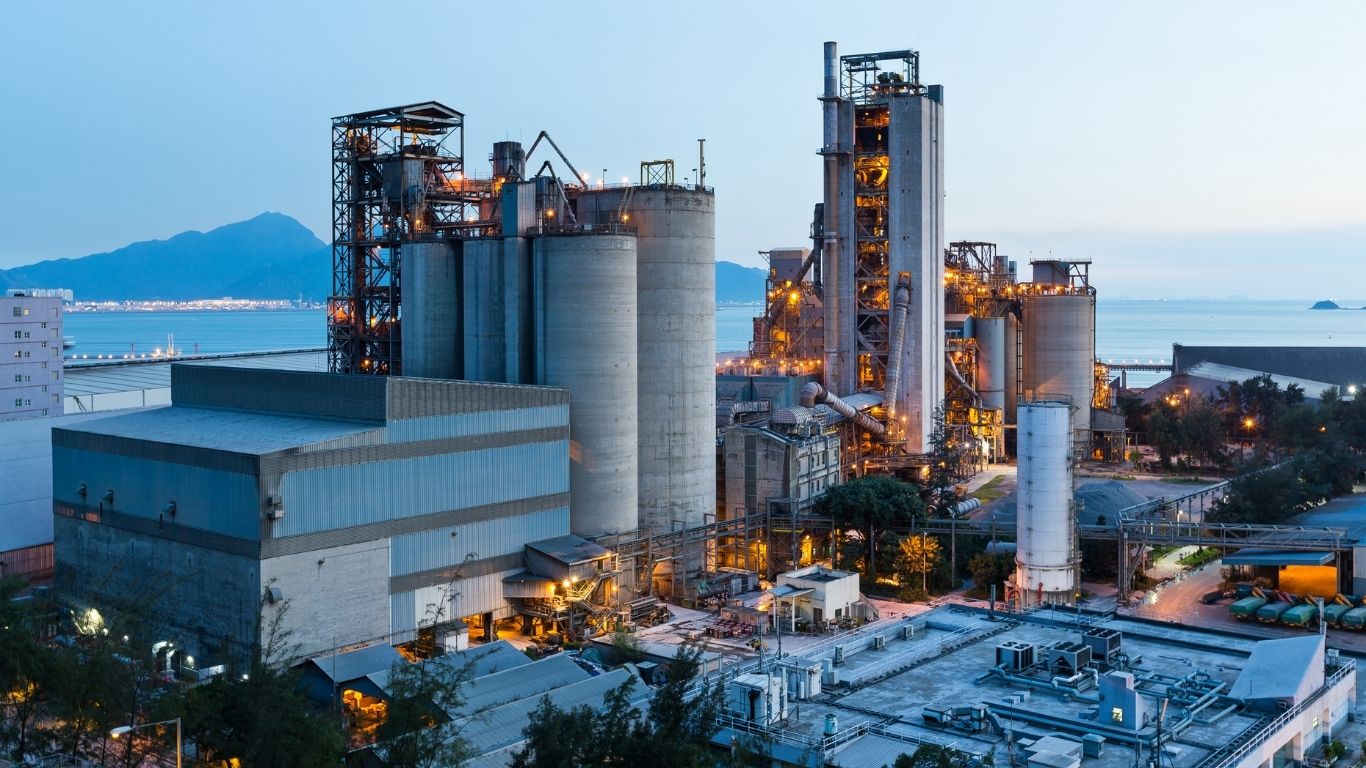
Cement Plant Process
A typical cement manufacturing process involves several interconnected stages:
Raw Material Handling → Crushing → Raw Material Grinding → Raw Meal Blending → Preheating → Precalcination → Rotary Kiln → Clinker Cooling → Cement Grinding → Storage → Packing and Dispatch
Each stage requires specialised mechanical, electrical, pneumatic, hydraulic and process equipment.
Raw Material Handling
Raw materials such as limestone, clay, laterite, gypsum and other additives need to be transported, crushed, stored and proportioned before entering the production process.
Equipment and systems may include:
- Conveyors
- Material handling systems
- Crushers
- Hoppers
- Feeders
- Storage systems
- Pneumatic conveying systems
- Dust collection equipment
- Compressed air systems
- Instrumentation
- Control systems
Reliable material handling helps maintain consistent material flow throughout the plant.
Crushing and Grinding
Crushing and grinding reduce raw materials and clinker to the required particle size.
Cement plants may use various types of grinding and crushing equipment depending on the process design.
Supporting systems can include:
- Hydraulic systems
- Lubrication systems
- Cooling systems
- Compressed air
- Filtration systems
- Dust extraction
- Instrumentation
- Automation and control systems
Proper lubrication, cooling and contamination control are important for equipment reliability.
Raw Mill Systems
Raw mills prepare raw materials for the kiln process by grinding and drying the material.
Supporting equipment may include:
- Hydraulic power units
- Lubrication systems
- Oil filtration systems
- Air treatment systems
- Temperature sensors
- Pressure transmitters
- Control valves
- Pneumatic equipment
- Cooling systems
- Process instrumentation
The exact configuration depends on the raw-mill technology and plant design.
Preheater and Precalciner Systems
The preheater section uses heat from the kiln process to preheat raw meal before it enters the kiln.
Process monitoring and control can involve:
- Temperature measurement
- Pressure measurement
- Flow measurement
- Control valves
- Actuators
- Pneumatic systems
- Compressed air
- Process automation
Reliable instrumentation helps operators monitor process conditions throughout the preheater system.
Rotary Kiln
The rotary kiln is one of the central process units in cement manufacturing.
The kiln operates at high temperatures to transform prepared raw meal into clinker.
Supporting systems may include:
- Hydraulic equipment
- Lubrication systems
- Cooling systems
- Instrumentation
- Compressed air
- Control systems
- Pneumatic actuators
- Valves
- Temperature monitoring
- Pressure monitoring
Because kiln operation involves high temperatures and continuous operation, appropriate equipment selection and maintenance are essential.
Clinker Cooler
After leaving the kiln, hot clinker is cooled before further processing.
Clinker-cooling systems support:
- Clinker temperature reduction
- Heat recovery
- Controlled material handling
- Process efficiency
- Downstream cement grinding
Supporting equipment may include fans, ducts, sensors, control systems, hydraulic equipment and material-handling components.
Cement Grinding
Clinker is ground with appropriate additives to produce finished cement.
Cement grinding systems may include:
- Ball mills
- Vertical roller mills
- Grinding systems
- Separators
- Conveyors
- Pneumatic conveying
- Hydraulic systems
- Lubrication systems
- Cooling systems
- Filtration systems
- Process instrumentation
Grinding equipment operates under demanding conditions and requires appropriate lubrication, cooling and contamination control.
Cement Storage and Silos
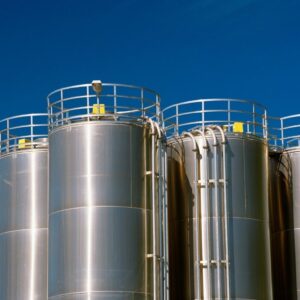
Finished cement is generally transferred to storage silos before packing and dispatch.
Storage systems can include:
- Cement silos
- Pneumatic conveying systems
- Air slides
- Blowers
- Level measurement systems
- Pressure monitoring
- Dust collection
- Aeration systems
- Control valves
Reliable instrumentation and air systems are important for maintaining controlled material movement.
Cement Packing and Dispatch
The final stage involves transferring cement from storage to bags or bulk-dispatch systems.
Packing and dispatch systems may include:
- Packing machines
- Bag filling systems
- Conveyors
- Weighing systems
- Pneumatic equipment
- Compressors
- Air dryers
- Air filters
- Control systems
- Dust extraction systems
Compressed air is commonly required for pneumatic controls and equipment used throughout cement plants.
COMPRESSED AIR SOLUTIONS FOR CEMENT PLANTS
Compressed air is used across cement manufacturing for instrumentation, pneumatic controls, material handling and plant utilities.
Aegis Projects can support requirements for:
- Air compressors
- Centrifugal compressors
- Reciprocating compressors
- Compressed air dryers
- Air filters
- Coalescing filters
- Moisture separators
- Condensate drains
- Air receivers
- Pneumatic valves
- Pressure regulators
- Compressed air accessories
- Air-treatment equipment
Proper compressed-air treatment helps reduce moisture and contamination entering pneumatic equipment.
Instrument Air
Clean and dry instrument air can be important for reliable operation of pneumatic control valves, actuators and instrumentation.
Instrument-air systems may include:
Compressor → Aftercooler → Moisture Separator → Air Dryer → Filters → Air Receiver → Instrument-Air Distribution
The actual arrangement depends on plant requirements and required air quality.
Hydraulic Solutions for Cement Plants
Hydraulic systems can be used in various cement-plant applications, including machinery operation, positioning, clamping, lifting and process equipment.
Aegis Projects can support requirements for:
- Hydraulic pumps
- Hydraulic motors
- Hydraulic cylinders
- Hydraulic valves
- Hydraulic power packs
- Hydraulic accumulators
- Hydraulic filters
- Hydraulic tanks
- Hydraulic hoses
- Hydraulic lift blocks
- Hydraulic filtration systems
- Hydraulic accessories
Hydraulic components should be selected according to pressure, flow, load, temperature and operating-cycle requirements.
Industrial Filtration
Cement manufacturing generates significant amounts of dust and particulate matter, while hydraulic and lubrication systems also require fluid contamination control.
Depending on the application, filtration requirements may include:
- Hydraulic filters
- Oil filters
- Air filters
- Compressed-air filters
- Process filters
- Filter elements
- Dust filtration systems
- Oil filtration equipment
Proper filtration helps protect equipment and maintain process-system performance.
Cooling Systems
Cement plants contain equipment that may require cooling during continuous operation.
Cooling applications can include:
- Compressor cooling
- Hydraulic oil cooling
- Lubricating oil cooling
- Bearing cooling
- Process cooling
- Electrical equipment cooling
- Industrial chiller systems
Equipment may include:
- Oil coolers
- Air coolers
- Heat exchangers
- Chillers
- Cooling pumps
- Cooling systems
- Temperature-control equipment
Process Instrumentation
Accurate process measurement helps monitor and control cement manufacturing operations.
Instrumentation may include:
- Pressure transmitters
- Pressure switches
- Temperature sensors
- RTDs
- Flow meters
- Level sensors
- Differential-pressure instruments
- Vibration monitoring devices
- Control valves
- Pneumatic actuators
- Electronic controllers
Instrumentation requirements depend on the process section and control philosophy.
Automation and Control
Modern cement plants rely on automation for process monitoring, equipment control and plant coordination.
Automation systems can support:
- Process monitoring
- Equipment sequencing
- Alarm management
- Pressure control
- Temperature control
- Flow control
- Level control
- Motor control
- Valve control
- Data acquisition
- Equipment protection
Aegis Projects can support industrial automation and control requirements as part of integrated plant solutions.
Cement Plant Spare Parts
Cement plants operate continuously and require dependable maintenance and replacement components.
Aegis Projects can support requirements for industrial spare parts including:
- Compressor spare parts
- Hydraulic spare parts
- Pneumatic components
- Refrigeration components
- Valves
- Filters
- Filter elements
- Bearings
- Couplings
- Seals
- Gaskets
- Hoses
- Heat exchangers
- Sensors
- Pressure switches
- Temperature sensors
- Control components
- Lubrication-system components
Replacement parts should be selected according to the equipment model, application and original technical specifications.
Applications in Cement Plants
Aegis Projects solutions can support multiple sections of a cement manufacturing facility:
- Limestone handling
- Crushing plants
- Raw material handling
- Raw mills
- Coal mills
- Preheater systems
- Precalciner systems
- Rotary kilns
- Clinker coolers
- Cement mills
- Vertical roller mills
- Ball mills
- Cement silos
- Packing plants
- Bulk loading systems
- Material handling
- Pneumatic conveying
- Utility systems
- Instrumentation systems
- Plant automation
Cement Industry Equipment and Solution Categories
| Area | Typical Solutions |
|---|---|
| Compressed Air | Compressors, dryers, filters, receivers |
| Hydraulic Systems | Pumps, valves, cylinders, power packs |
| Pneumatics | Valves, actuators, regulators, fittings |
| Filtration | Air filters, oil filters, hydraulic filters |
| Cooling | Chillers, coolers, heat exchangers |
| Instrumentation | Sensors, transmitters, switches |
| Automation | Controllers, control systems, electrical controls |
| Lubrication | Pumps, filters, coolers, lubrication components |
| Material Handling | Conveyors, pneumatic conveying components |
| Maintenance | Industrial spare parts and replacement components |
Maintenance Considerations
Continuous cement production places demanding requirements on plant equipment.
Important maintenance activities include:
- Compressor inspection
- Hydraulic-system inspection
- Filter replacement
- Lubrication-system maintenance
- Valve inspection
- Hose inspection
- Pressure monitoring
- Temperature monitoring
- Vibration monitoring
- Cooling-system maintenance
- Pneumatic-system inspection
- Instrument calibration
- Control-system checks
Preventive maintenance should be planned according to equipment type, operating conditions and manufacturer recommendations.
Common Cement Plant Equipment Challenges
Cement plants may encounter challenges such as:
- Dust contamination
- High operating temperatures
- Equipment wear
- Hydraulic leakage
- Compressed-air moisture
- Filter blockage
- Lubrication problems
- Bearing wear
- Vibration
- Pneumatic valve malfunction
- Instrumentation failure
- Cooling-system problems
- Pressure fluctuations
- Unplanned equipment downtime
Appropriate equipment selection, filtration, cooling and preventive maintenance can help support reliable plant operation.
Why Choose Aegis Projects?
Aegis Projects Technology Pvt. Ltd. provides industrial equipment, compressed-air solutions, hydraulic components, process equipment and spare parts for demanding industrial applications, including cement manufacturing.
Our cement-industry solutions can support:
- Compressed air systems
- Air treatment and dryers
- Hydraulic systems
- Pneumatic systems
- Industrial filtration
- Cooling systems
- Heat exchangers
- Process instrumentation
- Automation and control
- Industrial spare parts
- Maintenance and replacement components
Request a Cement Industry Solution
For cement-plant equipment, spare parts or engineering requirements, share the plant section, equipment model, operating conditions, component specifications and application details with Aegis Projects Technology.
We can support requirements across cement-plant utilities, process systems, automation and maintenance applications.
Aegis Projects – Industrial Equipment, Compressed Air, Process Systems and Spare Parts for the Cement Industry.