Description
What Is an Additive Injection System?
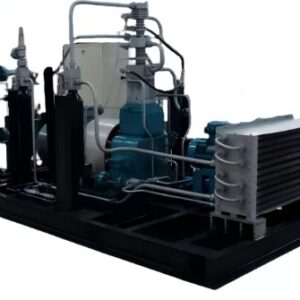
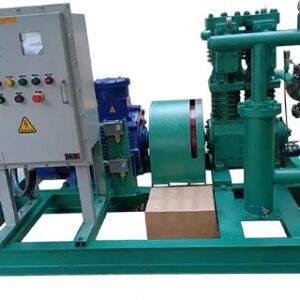
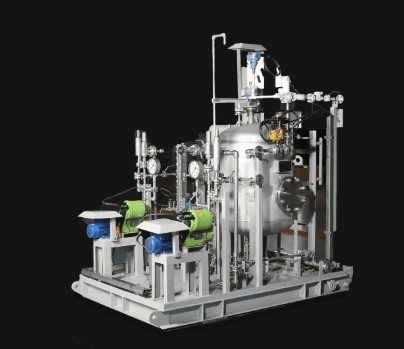
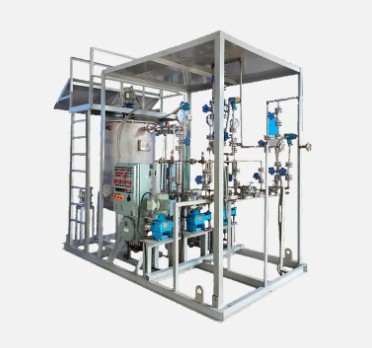
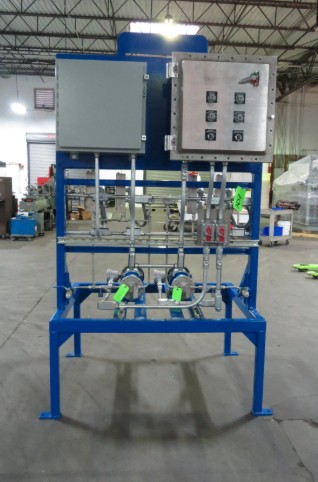
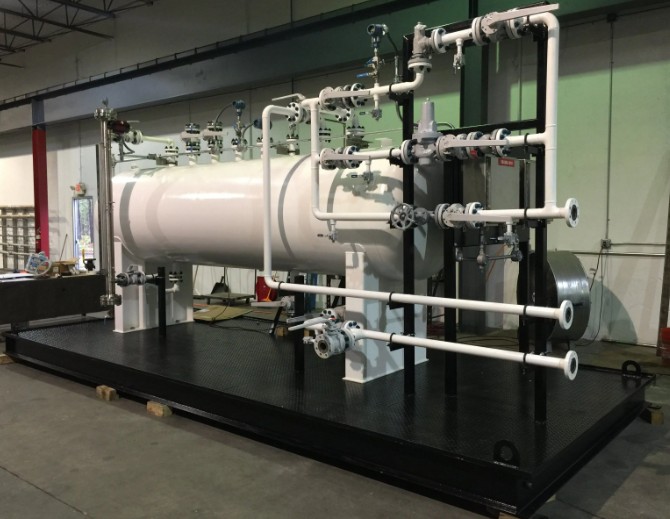
An additive injection system is a packaged system designed to meter and inject a controlled quantity of an additive into a fuel or hydrocarbon product stream.
Depending on the application, additive injection systems can be used for products such as:
- Fuel additives
- Octane boosters
- Lubricity additives
- Fuel dyes
- Identification dyes
- Other compatible petroleum and petrochemical additives
The injection rate and system configuration are selected according to the product, additive characteristics and required process conditions.
Typical Additive Injection System Components
A typical additive injection package may include:
- Additive injection pump
- Electric motor and starter/breaker
- Additive storage tank
- Tank level sensor
- Strainer
- Isolation valves
- Flow meter
- Solenoid valve
- Check valve
- Injection point
- Control panel
- PLC-based automation
- HMI interface
- Interconnecting piping
- Skid frame
Depending on the application, several components can be integrated into a compact injection block or packaged injection assembly.
Additive Injection for Fuel Loading Systems
Additive injection systems are commonly integrated into fuel loading and metering skids.
Integration during skid engineering allows the additive injection equipment to be coordinated with the main fuel transfer and metering system.
A typical integrated arrangement can include:
Additive Storage Tank → Injection Pump → Metering & Control → Injection Point → Main Fuel Stream
The additive system can be controlled alongside the loading operation to provide the required injection sequence.
Dye Injection Systems
Dye injection is an important application in fuel handling and identification.
Fuel dyes can be used to visually distinguish between different fuel products or fuel classifications. The source application example includes dyed diesel and aviation fuel identification.
An engineered dye injection system can provide controlled addition of the required dye during the fuel loading process.
The exact dye type, concentration, injection rate and compatibility requirements should be established according to the applicable fuel specification and project requirements.
Standalone Additive Injection Systems
Aegis Projects can provide standalone additive injection packages for existing fuel loading and transfer installations.
These systems can be designed to operate independently with their own control system or can be configured to interface with the existing terminal automation system.
Standalone systems can be useful when:
- Retrofitting an existing loading facility
- Adding a new fuel additive
- Introducing a dye injection system
- Upgrading an existing loading system
- Adding automated additive control
- Expanding an existing fuel terminal
The package can be engineered around the existing equipment and available installation space.
Retrofit Additive Injection Packages
Existing loading systems can be upgraded with a dedicated additive injection package without necessarily replacing the complete loading system.
Depending on the terminal architecture, the additive package can have:
- Independent controls
- Local PLC and HMI
- Integration with existing terminal automation
- Automatic start/stop sequencing
- Injection monitoring
- Additive tank level monitoring
- Alarm and interlock functions
The final integration method depends on the existing control system and project requirements.
Heated & Insulated Additive Systems
Some additives can exhibit increased viscosity at lower temperatures, which may affect their flow and pumping characteristics.
Where required, additive injection packages can incorporate:
- Heat tracing
- Insulation
- Heated storage tanks
- Temperature monitoring
- Temperature control
- Insulated piping
- Automated heating controls
These provisions can help maintain suitable additive flow characteristics under the specified operating conditions.
The heating method and temperature requirements should be determined according to the properties of the specific additive.
Additive Storage & Level Monitoring
Additive injection systems can include dedicated storage tanks sized according to the required operating capacity.
Tank systems can incorporate:
- Level sensors
- Level switches
- Low-level alarms
- High-level alarms
- Tank isolation
- Drain and vent connections
- Temperature monitoring where required
- Heating provisions where applicable
Level monitoring can be integrated with the PLC/HMI system to provide operators with real-time status and alarm information.
Automated Additive Injection
Aegis Projects can integrate additive injection systems with PLC and HMI-based process automation.
Automation functions may include:
- Automatic injection control
- Pump start/stop
- Injection sequencing
- Flow monitoring
- Additive tank level monitoring
- Solenoid valve control
- Low-level protection
- High-level alarms
- Pump protection
- Loading system interlocks
- Emergency shutdown
- Alarm indication
- Local HMI operation
- Interface with existing terminal automation where required
Automation can help provide consistent injection operation while reducing manual intervention.
Applications
Additive injection systems can be engineered for:
Petroleum & Fuel Terminals
- Fuel loading terminals
- Fuel distribution facilities
- Tank farms
- Petroleum storage facilities
- Truck loading systems
Diesel Fuel Systems
- Diesel additive injection
- Dye injection
- Lubricity additive injection
- Fuel identification applications
Aviation Fuel Applications
- Aviation fuel additive systems
- Fuel identification dye injection
- Controlled additive dosing
Petrochemical Facilities
- Product additive injection
- Hydrocarbon treatment
- Product identification
- Process additive injection
Fuel Loading & Metering Skids
- Integrated additive injection
- Automated fuel loading
- Metered additive dosing
- Loading terminal automation
Integrated Additive Injection & Loading Skids
For new facilities, additive injection can be incorporated directly into the fuel loading or metering skid during the engineering and fabrication stage.
An integrated package can combine:
Fuel Loading System + Metering System + Additive Storage + Injection Pump + Instrumentation + Automation
This approach can provide a coordinated, factory-assembled package and reduce the amount of field integration required during installation.
Custom Additive Injection System Engineering
Aegis Projects can customize additive injection packages according to:
- Fuel type
- Additive type
- Required injection rate
- Additive viscosity
- Storage capacity
- Operating temperature
- Main fuel flow rate
- Injection pressure
- Required metering accuracy
- Control architecture
- Existing terminal automation
- Available installation space
- Heating requirements
- Hazardous-area requirements
The final pump, materials, instrumentation and control configuration should be selected according to the actual additive and fuel service.
Engineering, Fabrication & Testing
Aegis Projects can provide an integrated project scope covering mechanical equipment, process piping, instrumentation, electrical systems and automation.
Depending on the project, the scope can include:
- Additive injection system design
- Pump selection
- Tank selection and integration
- Skid design
- Piping design
- 2D/3D equipment layout
- Instrumentation
- Electrical control panel
- PLC programming
- HMI development
- Terminal automation integration
- Factory assembly
- Functional testing
- Factory Acceptance Testing (FAT)
- Technical documentation
- Installation support
- Start-up and commissioning assistance
- Operator training
Key Advantages
- Accurate additive injection
- Controlled and repeatable dosing
- Suitable for fuel and petrochemical applications
- Standalone or integrated configurations
- Integration with fuel loading and metering skids
- Retrofit solutions for existing facilities
- PLC and HMI automation
- Additive storage and level monitoring
- Heating and insulation options for suitable additives
- Factory-assembled skid packages
- Reduced site installation work
- Simplified commissioning
- Customized according to project requirements
Safety & Product Compatibility
Additive injection systems must be designed according to the characteristics of both the additive and the main fuel or hydrocarbon product.
Particular attention should be given to:
- Chemical compatibility
- Flammability
- Material compatibility
- Pressure ratings
- Temperature requirements
- Electrical classification
- Hazardous-area requirements
- Static electricity and grounding
- Leak prevention
- Emergency shutdown
- Pressure relief
- Proper isolation
Final equipment selection and safety provisions should be confirmed against the specific fuel, additive, operating conditions, applicable regulations and project specifications.
Why Choose Aegis Projects?
Aegis Projects Technology provides engineered additive injection systems, dye injection packages, fuel additive skids and integrated loading-system solutions for petroleum and petrochemical applications.
Our engineering approach combines pumps, tanks, piping, instrumentation and automation into a coordinated package designed for the specific requirements of the facility.
Whether you require a new fuel loading skid with integrated additive injection or a standalone retrofit additive system, Aegis Projects can develop a customized solution around your existing or planned equipment.
Get a Customized Additive Injection System
Contact Aegis Projects Technology with your fuel type, additive type, required injection rate, storage requirement and existing loading-system details.
Our team can develop a suitable Additive Injection or Dye Injection System for your petroleum, petrochemical or fuel terminal application.