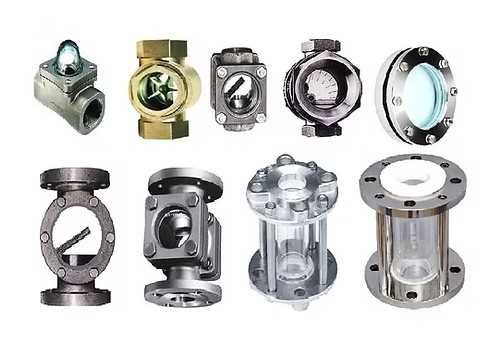
Description
Function of a Refrigeration Sight Glass
A sight glass allows technicians and operators to visually inspect the refrigerant circuit without opening the system.
Its functions may include:
- Providing visual observation of refrigerant flow
- Indicating moisture conditions where a moisture indicator is incorporated
- Supporting refrigeration-system troubleshooting
- Helping identify abnormal flow conditions
- Providing an indication of refrigerant condition at the installation point
- Supporting preventive maintenance and servicing
- Helping technicians assess system operation during inspection
A sight glass is a diagnostic and inspection component and should be interpreted together with system pressures, temperatures, superheat, subcooling, and other relevant operating parameters.
How a Sight Glass Works
A typical refrigeration sight glass has a transparent viewing section installed in the refrigerant line.
As refrigerant passes through the component, technicians can observe the condition of the flow through the viewing window.
Some sight glasses incorporate a moisture indicator element that changes its indication according to moisture conditions within its specified operating range.
The exact appearance of refrigerant flow depends on system design and operating conditions. Therefore, bubbles or changes in the sight glass should not be used as the sole basis for diagnosing refrigerant charge or system performance.
Types of Refrigeration Sight Glasses
Standard Sight Glass
Provides a transparent viewing window for visual observation of refrigerant flow.
Moisture Indicator Sight Glass
Combines refrigerant-flow visibility with a moisture indicator.
Bi-Directional Sight Glass
Designed for refrigeration circuits where refrigerant flow may occur in either direction, subject to the specific component design.
Flare Connection Sight Glass
Uses flare-type connections for compatible refrigeration piping applications.
Solder / Brazed Connection Sight Glass
Designed for permanent installation into compatible copper refrigeration piping.
Main Components
Depending on the design, a refrigeration sight glass may include:
- Metal valve body
- Transparent viewing window
- Sealing elements
- Moisture indicator element, where applicable
- Connection ports
- Protective components
- Retaining components
Materials and construction vary according to pressure rating, refrigerant compatibility, connection type, temperature range, and manufacturer specification.
Applications
Sight glasses are commonly installed in:
- Commercial refrigeration systems
- Industrial refrigeration systems
- Cold rooms
- Cold storage plants
- Freezers
- Refrigerated display cabinets
- Food processing refrigeration
- Beverage cooling systems
- Chillers
- HVAC-R systems
- Process cooling systems
- Refrigeration condensing units
- Refrigerant liquid lines
Moisture Indication
Moisture indicator sight glasses can provide a visual indication of moisture conditions in the refrigeration circuit.
Excess moisture in a refrigeration system can contribute to operational and reliability problems, including freezing at restrictions and adverse effects on system components.
The indicator should be interpreted according to the manufacturer’s specified color or indication scale and operating conditions.
A moisture indicator does not replace proper evacuation, dehydration, filtration, and refrigerant-system maintenance procedures.
Common Sight Glass Problems
Cloudy or Damaged Viewing Window
A damaged, contaminated, or deteriorated viewing section can make visual inspection difficult.
Leakage
Leakage may occur at:
- Pipe connections
- Sealing surfaces
- Brazed joints
- Flared connections
- Damaged body components
Incorrect Moisture Indication
Moisture indicators can deteriorate or provide unreliable indication if the component has been damaged, incorrectly installed, or exposed to unsuitable conditions.
Restricted Refrigerant Flow
A sight glass itself is generally intended to provide a visual inspection point rather than deliberately restrict flow. However, contamination or internal damage may affect the refrigerant passage.
Incorrect Installation
Installing a sight glass that is unsuitable for the refrigerant, pressure, temperature, flow direction, or connection type can result in improper operation or leakage.
Inspection & Maintenance
Regular visual inspection can help identify refrigeration-system issues.
Recommended checks include:
- Inspect the viewing window for damage
- Check for refrigerant leakage
- Inspect connections and joints
- Check the moisture indicator where applicable
- Verify correct installation orientation
- Check for corrosion or physical damage
- Inspect surrounding piping and insulation
- Observe refrigerant flow under appropriate operating conditions
- Replace damaged sight glasses where required
Sight-glass observations should be considered together with refrigeration-system measurements rather than used as an isolated diagnostic indicator.
Installation Considerations
Correct installation is important for reliable operation.
Important considerations include:
- Select a sight glass suitable for the refrigerant
- Confirm the pressure and temperature ratings
- Match the pipe connection size
- Follow the specified flow direction where applicable
- Use appropriate installation methods for the connection type
- Avoid mechanical stress on the sight glass
- Protect the viewing window during brazing or installation
- Follow manufacturer recommendations
- Check the completed installation for leakage
Sight Glass Selection Parameters
| Parameter | Requirement |
|---|---|
| Application | Refrigeration / HVAC-R |
| Sight Glass Type | Standard / moisture indicator / bi-directional |
| Refrigerant | System-specific |
| Connection Size | According to piping |
| Connection Type | Flare / solder / brazed / other |
| Flow Direction | As applicable |
| Pressure Rating | According to system |
| Temperature Range | Application-specific |
| Viewing Window | Required size and configuration |
| Moisture Indicator | Required / not required |
| Body Material | As specified |
| Seal Material | Refrigerant-compatible |
| Installation Location | Refrigerant circuit-specific |
| Manufacturer | As specified |
| Part Number | Required for exact replacement |
Replacement Considerations
When replacing a sight glass, compatibility should be checked using the original component information and refrigeration-system requirements.
Important details include:
- Original sight glass part number
- Refrigeration equipment model
- Refrigerant type
- Pipe size
- Connection type
- Pressure rating
- Temperature range
- Flow direction where applicable
- Moisture-indicator requirement
- Installation location
A sight glass should not be selected solely on the basis of pipe size or physical dimensions.
Why Choose Aegis Projects?
Aegis Projects Technology supplies refrigeration sight glasses and moisture-indicating components for commercial, industrial, cold-storage, and HVAC-R applications.
We can assist with replacement selection based on:
- Original part number
- Refrigeration equipment model
- Refrigerant
- Connection size
- Connection type
- Pressure and temperature requirements
- Moisture-indicator requirement
- Installation arrangement
Contact Aegis Projects Technology for refrigeration sight glasses and other refrigeration spare parts.