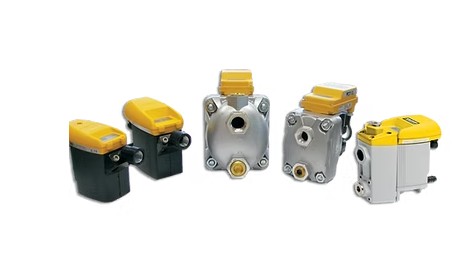
Description
Function of Condensate Traps
The primary function of a condensate trap is to remove accumulated liquid from a compressed-air system without continuously venting compressed air.
Depending on the installation, condensate traps can help:
- Remove accumulated condensate
- Drain water from compressed-air equipment
- Prevent liquid accumulation
- Reduce moisture carryover
- Protect downstream equipment
- Support air-treatment system performance
- Reduce manual draining requirements
- Minimize compressed-air losses where zero-loss drainage is used
- Maintain cleaner compressed-air piping
Where Condensate Traps Are Used
Condensate can accumulate at several locations within a centrifugal compressor and compressed-air installation.
Condensate traps may be installed on:
- Air receivers
- Aftercoolers
- Moisture separators
- Air filters
- Compressed-air dryers
- Water separators
- Compressor discharge systems
- Low points in compressed-air piping
- Drain collection systems
- Downstream compressed-air equipment
The exact drain locations depend on the system layout and moisture-management design.
Why Condensate Forms
Compressed air contains moisture from atmospheric air. During compression, the concentration of water vapor changes, and when compressed air is subsequently cooled, moisture can condense into liquid water.
Condensate formation can be influenced by:
- Ambient humidity
- Compressor inlet conditions
- Compression ratio
- Compressed-air temperature
- Aftercooler performance
- System pressure
- Ambient temperature
- Air-treatment equipment
- Operating load
Effective condensate management is therefore an important part of compressed-air system maintenance.
Types of Condensate Traps
Different drain technologies can be used depending on the application.
Automatic Condensate Drains
Automatic drains discharge accumulated condensate without requiring continuous manual operation.
Float-Operated Drains
Float-type drains use a float mechanism that responds to the condensate level and opens the drain when sufficient liquid has accumulated.
Electronic Zero-Loss Drains
Electronic drains can be designed to discharge condensate only when required, helping minimize compressed-air loss.
Timer-Controlled Drains
Timer-controlled drains operate according to programmed time intervals. Their suitability depends on the amount and consistency of condensate generation.
Manual Drains
Manual drain valves can be used where periodic operator-controlled condensate removal is acceptable.
The appropriate drain technology should be selected according to the equipment, condensate generation rate, operating pressure, and system requirements.
Zero-Loss Condensate Drain
Zero-loss or demand-controlled condensate drains are designed to release accumulated liquid while minimizing the discharge of compressed air.
A typical operating sequence is:
Condensate Accumulation → Level Detection → Drain Opens → Condensate Discharge → Drain Closes
This type of arrangement can be useful where compressed-air conservation is an important consideration.
Condensate Trap Construction
Depending on the design, a condensate trap may incorporate:
- Drain body
- Float mechanism
- Valve assembly
- Drain outlet
- Inlet connection
- Filter or strainer
- Solenoid valve
- Electronic controller
- Level sensor
- Test/manual drain
- Sealing elements
Construction varies according to the type of drain and its operating principle.
Condensate Drain Applications in Centrifugal Compressor Systems
Condensate traps can support moisture removal from:
Aftercoolers
Cooling compressed air can result in condensation. A drain installed downstream of the cooler or separator can remove accumulated liquid.
Moisture Separators
Separators remove condensed liquid from compressed air, with the condensate then discharged through a suitable drain.
Air Receivers
Condensate can accumulate at the bottom of compressed-air receivers and should be removed periodically or automatically.
Filters
Compressed-air filters can collect liquid contaminants that need to be drained to maintain filter performance.
Dryers
Depending on the dryer configuration, condensate drains can be used to remove liquid separated before or during air treatment.
Condensate Management and Air Quality
Effective condensate removal supports the overall compressed-air treatment system.
Accumulated condensate can contribute to:
- Corrosion of piping and equipment
- Reduced filter performance
- Moisture carryover
- Contamination of downstream systems
- Drainage problems
- Reduced equipment reliability
The condensate trap should therefore be selected as part of the complete compressed-air treatment arrangement.
Maintenance of Condensate Traps
Regular inspection helps ensure that the drain remains operational.
Maintenance may include:
- Checking drain operation
- Inspecting the drain outlet
- Cleaning the valve mechanism
- Checking for blockage
- Inspecting strainers
- Checking electrical connections for electronic drains
- Inspecting seals
- Checking for leakage
- Testing automatic operation
- Confirming condensate discharge
The maintenance frequency should depend on condensate generation, contamination levels, operating conditions, and equipment recommendations.
Common Condensate Trap Problems
Potential problems include:
- Drain remaining open
- Drain failing to open
- Blocked drain outlet
- Contaminated valve mechanism
- Float malfunction
- Solenoid failure
- Sensor failure
- Electrical fault
- Excessive compressed-air loss
- Condensate accumulation
- Leakage around connections
Possible indications include water accumulation, continuous air leakage, failure to discharge condensate, or increased moisture downstream.
Condensate Trap Selection Parameters
| Selection Parameter | Requirement |
|---|---|
| Application | Receiver, separator, filter, cooler, dryer, etc. |
| Service | Compressed air / condensate |
| Operating Pressure | Normal and maximum pressure |
| Condensate Rate | Expected liquid generation |
| Drain Type | Float, electronic, timer, manual, etc. |
| Connection Size | Required inlet/outlet connection |
| Drain Capacity | Required discharge capacity |
| Temperature | Condensate operating temperature |
| Material | Suitable for condensate and environment |
| Power Supply | Required for electronic drains |
| Control | Automatic or manual operation |
| Installation | Equipment or piping arrangement |
Replacement Condensate Traps
Aegis Projects can support condensate trap requirements for:
- Centrifugal compressor maintenance
- Aftercooler maintenance
- Receiver drainage
- Moisture separator drainage
- Compressed-air filter drainage
- Dryer maintenance
- Condensate management upgrades
- Compressor overhaul
- Planned shutdown maintenance
- Compressed-air system refurbishment
Replacement drains should be selected according to the existing equipment and operating conditions.
Industrial Applications
Condensate traps associated with centrifugal air compressor systems can be used across:
- Oil & Gas
- Petrochemical
- Chemical Processing
- Power Generation
- Steel Plants
- Cement Plants
- Automotive Manufacturing
- Pharmaceutical Manufacturing
- Food & Beverage
- Textile Industries
- Engineering Industries
- Process Industries
- Manufacturing Plants
- Industrial Utilities
- Large-Scale Compressed-Air Systems
Why Choose Aegis Projects?
Aegis Projects Technology Pvt. Ltd. provides industrial compressor equipment, spare parts, compressed-air components, automation solutions, and engineering support for industrial applications.
Our condensate management solutions can support:
- Centrifugal compressor systems
- Compressed-air treatment systems
- Aftercoolers
- Moisture separators
- Air receivers
- Filters
- Dryers
- Condensate drainage systems
- Preventive maintenance
- Compressor overhaul projects
We can assist with condensate trap selection based on the equipment type, operating pressure, condensate generation rate, connection size, drain technology, temperature, installation arrangement, and existing drain specifications.
Request a Quote
For centrifugal compressor condensate traps, provide the equipment make and model, drain type, operating pressure, connection size, condensate application, photographs, and existing drain details where available.
Aegis Projects can review the application and assist with an appropriate automatic condensate drain or condensate trap solution for your centrifugal air compressor and compressed-air system.
Aegis Projects – Industrial Compressor, Compressed-Air & Spare Parts Solutions