Description
What Is a Water Separator?
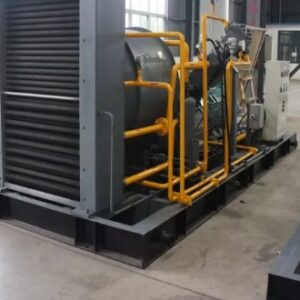
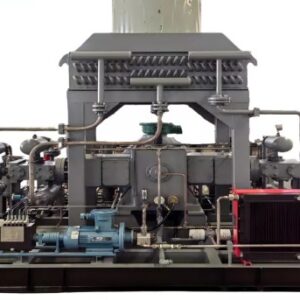
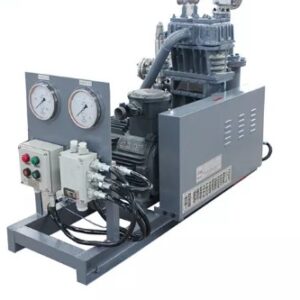
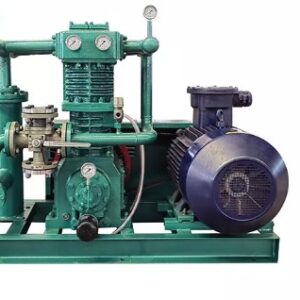
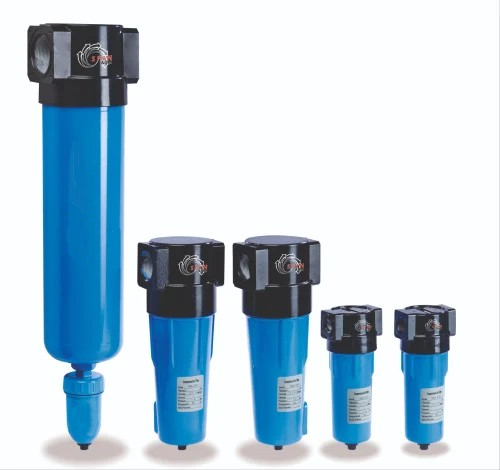
A water separator is a compressed-air treatment component designed to separate liquid water and condensate from an air stream.
The separator typically uses a mechanical separation principle in which changes in airflow direction and velocity cause liquid droplets and condensate to separate from the compressed air.
Separated liquid collects at the bottom of the separator and can be discharged through a suitable drain arrangement.
Key Features
- Designed for compressed air systems
- Removes bulk liquid water and condensate
- Helps protect downstream equipment
- Suitable for industrial screw compressor systems
- Compact and practical installation
- Low-pressure-drop design where applicable
- Suitable for continuous industrial operation
- Can be integrated with compressed air treatment systems
- Available in different connection and capacity configurations
- Manual or automatic condensate drainage options depending on configuration
How a Water Separator Works
Compressed air containing moisture enters the water separator through the inlet connection.
Inside the separator, the airflow is directed through the separation chamber. The change in airflow characteristics causes larger water droplets and condensed liquid to separate from the compressed air.
The separated liquid falls into the lower collection area while the treated air continues toward the outlet.
A suitable drain system removes the accumulated condensate from the separator.
Typical Process
Moist Compressed Air → Water Separator → Condensate Separation → Dry/Bulk-Water-Reduced Air → Downstream Equipment
A water separator is intended primarily for bulk liquid water removal. It does not replace a refrigerated or desiccant air dryer where a specific pressure dew point is required.
Applications
Water separators can be used in:
- Rotary screw compressor systems
- Industrial compressed air systems
- Factory air networks
- Instrument air systems
- Pneumatic equipment
- Manufacturing plants
- Automotive production facilities
- Pharmaceutical industries
- Food and beverage industries
- Chemical plants
- Petrochemical facilities
- Textile industries
- Packaging plants
- Process air systems
- Workshop compressed air systems
Installation in Compressed Air Systems
Depending on the system design, a water separator can be installed at different points within a compressed air network.
Typical locations include:
- Compressor discharge line
- Aftercooler outlet
- Before an air dryer
- Before high-efficiency filtration
- Main compressed air header
- Branch compressed air lines
- Point-of-use compressed air systems
Correct installation depends on the compressor configuration, air treatment arrangement, operating pressure, flow rate, and required air quality.
Water Separator for Screw Compressors
In a screw compressor installation, atmospheric air contains moisture that can condense as the compressed air is cooled after compression.
A water separator installed downstream of the appropriate cooling stage can remove this bulk condensate before it reaches subsequent air treatment equipment.
This can help:
- Reduce liquid water entering filters
- Protect downstream equipment
- Reduce corrosion risk
- Improve air treatment system operation
- Reduce moisture-related maintenance
- Support reliable pneumatic equipment operation
Condensate Drain Options
Depending on the application, water separators can be supplied with suitable condensate drainage arrangements, including:
- Manual drain
- Automatic drain
- Zero-loss drain
- Electronic condensate drain
- Float-operated drain
The appropriate drain arrangement should be selected according to the system operating conditions and condensate generation rate.
Selection Parameters
The correct water separator should be selected based on the actual compressed air system requirements.
| Parameter | Selection Requirement |
|---|---|
| Application | Compressed air / industrial air |
| Air Flow | Required operating flow |
| Operating Pressure | System working pressure |
| Air Temperature | Inlet operating temperature |
| Connection Size | Pipeline connection requirement |
| Connection Type | Threaded / flanged / other |
| Condensate Load | Expected moisture generation |
| Drain Type | Manual / automatic / zero-loss |
| Installation | Horizontal / vertical as applicable |
| Air Quality | Required downstream air quality |
| Material | Based on application and environment |
Final selection should be confirmed against the compressor and compressed air system specifications.
Water Separator vs. Air Dryer
A water separator and an air dryer perform different functions.
Water Separator:
Primarily removes bulk liquid water and condensate from compressed air.
Air Dryer:
Reduces the moisture content of compressed air to achieve a specified pressure dew point.
In many industrial compressed air systems, a water separator is used together with an aftercooler, filters, and an air dryer as part of a complete air treatment arrangement.
Maintenance
Routine inspection and maintenance can help maintain reliable separator performance.
Maintenance may include:
- Inspecting the separator body
- Checking condensate accumulation
- Inspecting the drain
- Cleaning or servicing the drain system
- Checking connections for leakage
- Inspecting mounting arrangements
- Monitoring pressure drop
- Checking downstream air quality
Maintenance intervals should be established according to operating conditions and the equipment manufacturer’s recommendations.
Industrial Compressor Spare Parts
Aegis Projects Technology supplies a range of screw compressor and compressed air system spare parts, including components used for compressor maintenance and air treatment.
Related components may include:
- Rotary screw elements
- Water separators
- Air filters
- Oil filters
- Oil separators
- Air-oil separator elements
- Compressor valves
- Minimum pressure valves
- Thermostatic valves
- Compressor service kits
- Compressor overhaul kits
- Seals and gasket kits
- Bearings
- Couplings
- Condensate drains
Aegis Projects Technology
Aegis Projects Technology supplies industrial compressor spare parts and compressed air treatment components for maintenance, replacement, and system refurbishment applications.
For water separator requirements, selection can be based on the compressor make, model, air flow, operating pressure, pipeline size, connection type, and application.
Share your existing separator details, compressor nameplate, or equipment specifications with our technical team for identification and supply assessment.
Aegis Projects Technology — Industrial Compressor Spare Parts & Compressed Air Solutions.