Description
What Is a Suction Valve?
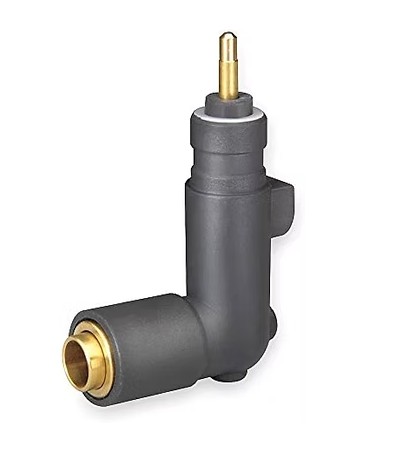
A suction valve is installed at the air inlet of a screw compressor and controls the amount of air entering the compressor element.
During compressor loading, the valve opens to allow atmospheric air into the compression chamber.
During unloading, the valve closes or moves toward a controlled position to reduce or stop the compressor’s air intake, depending on the compressor control design.
Typical Air Flow
Atmospheric Air → Suction / Inlet Valve → Screw Compressor Air End → Compression → Separator Vessel → Compressed Air Outlet
Load / Unload Operation
A load/unload valve is commonly used to regulate compressor operation based on the demand for compressed air.
Loaded Condition
When compressed air demand is present and the system pressure is below the programmed control range, the suction valve can open and allow air into the compressor element.
The compressor then produces compressed air for the downstream system.
Unloaded Condition
When the required system pressure is reached, the compressor control system can command the suction valve toward the unload position.
This reduces or stops the intake of atmospheric air into the compression chamber, depending on the compressor design.
The compressor can then operate in an unloaded condition until additional compressed air demand occurs.
Key Functions
A suction/load-unload valve can provide:
- Compressor inlet air control
- Load/unload operation
- Compressor capacity control
- Pressure regulation support
- Reduced unloaded compression
- Controlled compressor starting
- Improved compressor operating stability
- Integration with compressor controller systems
- Protection against unsuitable operating conditions
The exact control sequence varies according to the compressor manufacturer and control architecture.
Key Features
- Designed for rotary screw compressors
- Suitable for industrial compressed air systems
- Controls compressor intake air
- Supports load/unload operation
- Available for different compressor models
- Pneumatic or electrically controlled configurations may be available
- Suitable for replacement and maintenance applications
- Can be integrated with compressor control systems
- Available in application-specific sizes and configurations
- Designed for continuous industrial operation
Pneumatic Suction Valves
Many screw compressor packages use pneumatic control to operate the suction valve.
A control signal can actuate the valve according to the compressor’s operating condition.
The pneumatic arrangement may include:
- Actuator
- Control air connection
- Valve mechanism
- Solenoid valve
- Control tubing
- Compressor controller
The exact configuration depends on the compressor model.
Load / Unload Solenoid Control
In many compressor systems, the suction valve operates together with a load/unload solenoid valve.
The compressor controller sends a signal to the solenoid valve, which controls the actuator responsible for positioning the suction valve.
This allows automatic switching between loaded and unloaded operating conditions.
Role in Compressor Pressure Control
The suction valve is closely associated with compressor pressure control.
A typical sequence may be:
Low System Pressure → Controller Commands Load → Suction Valve Opens → Compressor Loads
and:
Required System Pressure Reached → Controller Commands Unload → Suction Valve Closes/Modulates → Compressor Unloads
The actual pressure setpoints and control sequence depend on the compressor controller and system configuration.
Applications
Suction and load/unload valves can be used in:
- Rotary screw compressors
- Oil-injected screw compressors
- Oil-free screw compressors
- Industrial air compressors
- Factory compressed air systems
- Instrument air systems
- Process air systems
- Manufacturing plants
- Automotive industries
- Pharmaceutical facilities
- Chemical plants
- Petrochemical facilities
- Power plants
- Textile industries
- Packaging facilities
- General industrial utilities
Replacement Suction / Load-Unload Valves
Replacement may be required due to:
- Valve wear
- Damaged sealing components
- Actuator problems
- Solenoid malfunction
- Air leakage
- Incorrect loading/unloading
- Compressor control problems
- Corrosion
- Mechanical damage
- Compressor overhaul
- Equipment refurbishment
A faulty suction valve can affect compressor loading behavior and may contribute to abnormal pressure or operating conditions.
Signs of Suction Valve Problems
Depending on the compressor design, potential symptoms may include:
- Compressor fails to load
- Compressor fails to unload
- Continuous loading
- Continuous unloading
- Slow loading response
- Incorrect system pressure
- Excessive unloaded running
- Abnormal compressor cycling
- Increased power consumption
- Compressor alarm or fault
- Air leakage from the inlet system
These symptoms can also be caused by control-system, solenoid, sensor, or pneumatic problems, so appropriate troubleshooting should be performed before replacing the valve.
Selection Parameters
Correct identification is important when replacing a suction or load/unload valve.
| Parameter | Required Information |
|---|---|
| Compressor Manufacturer | Make / Brand |
| Compressor Model | Exact model |
| Serial Number | Equipment identification |
| Existing Valve | Part number / model |
| Valve Type | Suction / inlet / load-unload |
| Air Flow | Compressor capacity |
| Operating Pressure | Compressor/system pressure |
| Temperature | Operating condition |
| Connection Size | Inlet connection |
| Actuation | Pneumatic / electrical / other |
| Control Voltage | Solenoid requirement |
| Control Air Pressure | Where applicable |
| Medium | Atmospheric air / specified gas |
Final valve selection should be confirmed against the compressor manufacturer’s specifications.
Suction Valve vs. Discharge Valve
These valves perform different functions within a screw compressor.
Suction / Load-Unload Valve:
Controls the air entering the compressor and supports compressor loading and unloading.
Discharge Valve:
Controls or isolates compressed air leaving the compressor, depending on the valve arrangement.
Both may form part of the compressor’s overall control and discharge system.
Maintenance
Routine inspection of the suction and load/unload system can include:
- Checking valve movement
- Inspecting actuator operation
- Checking pneumatic connections
- Inspecting solenoid valves
- Checking control signals
- Inspecting seals
- Checking for air leakage
- Monitoring compressor loading and unloading behavior
- Checking controller alarms
Maintenance should follow the compressor manufacturer’s recommended procedures.
Industrial Compressor Spare Parts
The suction/load-unload valve is part of the wider range of screw compressor spare parts and compressor control components supplied by Aegis Projects Technology.
Related components include:
- Rotary screw elements
- Compression chamber components
- Compressor motors
- Separator vessels
- In-suction air filters
- Oil filters
- After coolers
- Water separators
- Non-return check valves
- Discharge valves
- System controllers
- Gaskets and seals
- Minimum pressure valves
- Thermostatic valves
- Solenoid valves
- Bearings
- Couplings
- Compressor service kits
- Compressor overhaul kits
Aegis Projects Technology
Aegis Projects Technology supplies suction valves, load/unload valves, compressor control components, and industrial screw compressor spare parts for maintenance, repair, overhaul, refurbishment, and replacement applications.
For accurate valve identification, provide the compressor make, model, serial number, existing valve part number, valve photographs, actuator details, or compressor nameplate information.
Aegis Projects Technology — Industrial Compressor Spare Parts & Compressed Air Solutions.