Description
What Is a Chemical Transfer Skid?
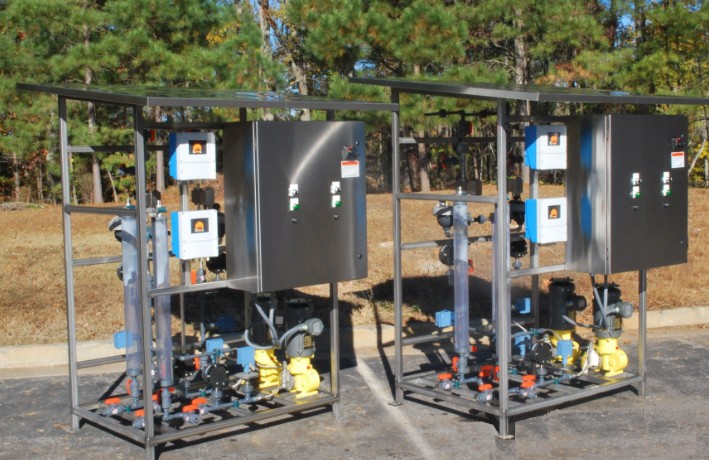
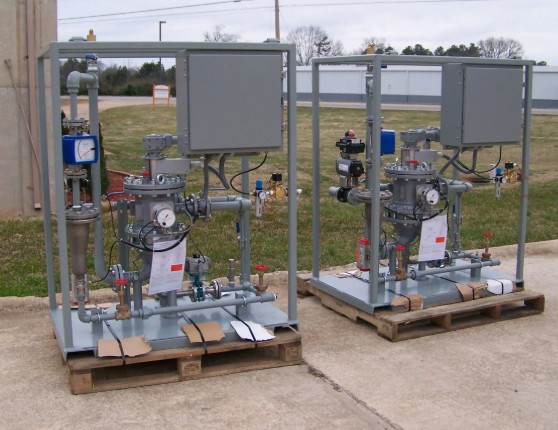
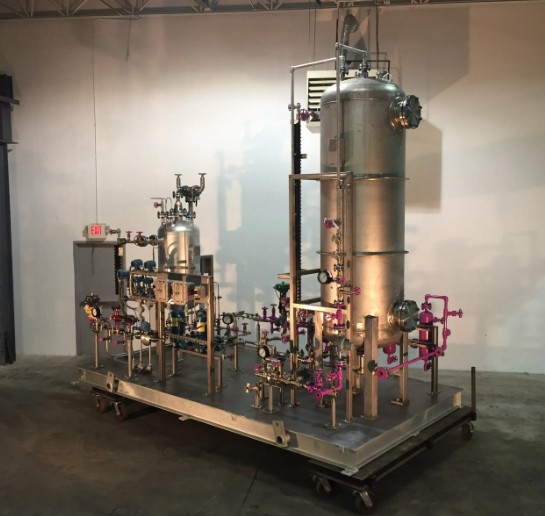
A chemical transfer skid is a packaged system designed to transfer chemicals from one location to another in a controlled and repeatable manner.
Depending on the application, a chemical transfer skid may be used for:
- Chemical transfer between storage tanks
- Chemical unloading and loading
- Chemical feed systems
- Process chemical transfer
- Chemical dosing and injection
- Tank-to-tank transfer
- Chemical batching
- Chemical circulation
- Process vessel filling
- Chemical recovery and handling
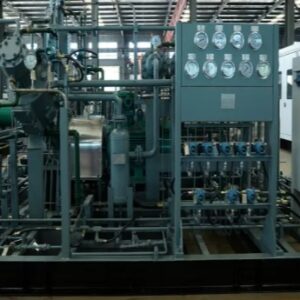
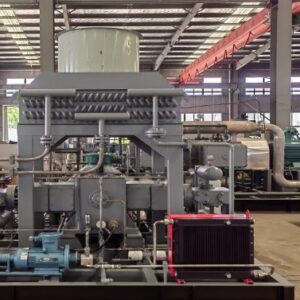
The complete system can be mounted on a common structural skid for simplified transportation, installation and commissioning.
Chemical Transfer Pump Selection
Selecting the correct pump is critical for reliable chemical transfer.
Pump selection can be based on:
- Chemical type
- Chemical concentration
- Required flow rate
- Suction conditions
- Discharge pressure
- Operating temperature
- Chemical viscosity
- Specific gravity
- Corrosiveness
- Required materials of construction
- Continuous or intermittent operation
- Required dosing or transfer accuracy
Depending on the process, suitable pumping technologies can be incorporated into the skid. The final pump selection should always be confirmed against the actual chemical properties and project operating conditions.
Chemical Transfer Skid Components
A typical chemical transfer skid can incorporate:
- Chemical transfer pump
- Positive displacement or other suitable pump technology
- Chemical storage or day tank connections
- Suction and discharge piping
- Isolation valves
- Check valves
- Pressure relief valves
- Strainers and filters
- Flow meters
- Pressure gauges
- Pressure transmitters
- Level sensors
- Level switches
- Temperature instrumentation
- Control valves
- Chemical injection points
- Drain and vent connections
- Electrical control panel
- PLC automation
- Touch-screen HMI
- Emergency shutdown and safety interlocks
The exact configuration is customized according to the chemical, process requirements and plant layout.
Automated Chemical Transfer Systems
Chemical transfer skids can be integrated with PLC-based process automation and HMI controls to provide centralized monitoring and control.
Automation functions can include:
- Automatic pump start/stop
- Flow monitoring
- Tank level monitoring
- Transfer sequencing
- Pressure monitoring
- High and low-level alarms
- High-pressure protection
- Pump protection
- Automatic valve operation
- Batch transfer control
- Process interlocking
- Emergency shutdown
- Local HMI operation
- Alarm and status indication
- Remote monitoring or control where required
An automated system can reduce manual intervention and help provide consistent transfer operations.
Skid-Mounted Chemical Transfer Package
Aegis Projects can integrate the complete transfer system onto a common skid frame.
The package can include:
Pump + Piping + Valves + Instrumentation + Control Panel + PLC/HMI + Safety Systems
This integrated approach can simplify project execution and reduce the amount of field assembly required during installation.
Benefits of a Skid-Mounted System
- Compact equipment arrangement
- Factory assembly
- Reduced site installation work
- Integrated piping and instrumentation
- Simplified electrical connections
- Easier transportation
- Faster installation
- Simplified commissioning
- Centralized control
- Improved equipment accessibility
- Factory testing before shipment
Portable Chemical Transfer Skids
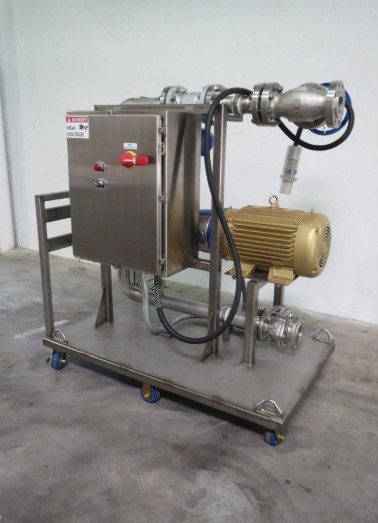
Where required, chemical transfer systems can be designed in a portable or relocatable configuration.
Portable chemical transfer packages can be useful where chemicals need to be transferred between different tanks, process areas or temporary operating locations.
Depending on the application, the package can be engineered around:
- Compact skid dimensions
- Portable frame arrangement
- Pump and motor assembly
- Flexible connections
- Integrated instrumentation
- Local controls
- Quick connection points
- Suitable chemical-compatible materials
The final configuration depends on the chemical and operating environment.
Chemical Transfer & Metering Integration
Chemical transfer systems can also be combined with chemical metering and dosing functions.
A combined package can provide:
- Chemical storage
- Chemical transfer
- Flow measurement
- Controlled dosing
- Chemical injection
- Batch transfer
- Tank level monitoring
- Automated process control
This allows transfer and dosing functions to be incorporated into a single engineered package where required.
Applications of Chemical Transfer Skids
Chemical transfer skids are suitable for a wide range of industrial applications.
Chemical Processing
- Chemical transfer
- Raw material handling
- Process chemical circulation
- Chemical batching
- Process vessel filling
Water & Wastewater Treatment
- Chemical feed
- Treatment chemical transfer
- Disinfectant transfer
- Coagulant and flocculant handling
- Chemical dosing systems
Oil & Gas
- Process chemical transfer
- Chemical injection systems
- Corrosion inhibitor handling
- Production chemical transfer
- Chemical storage and feed
Petrochemical & Refining
- Process chemical handling
- Additive transfer
- Chemical injection
- Batch chemical transfer
Manufacturing
- Production chemical handling
- Process treatment
- Chemical feed
- Chemical circulation
- Automated chemical transfer
Industrial Utilities
- Water treatment
- Cooling-water chemical treatment
- Boiler-water chemical systems
- Process conditioning
Chemical Compatibility & Materials
Chemical transfer equipment must be selected according to the characteristics of the chemical being handled.
Depending on the application, materials for wetted components can be selected based on:
- Chemical compatibility
- Corrosion resistance
- Temperature
- Pressure
- Chemical concentration
- Viscosity
- Process requirements
Pump components, seals, piping, valves, tanks, fittings and instrumentation should all be evaluated for compatibility with the specific chemical.
Engineering & Factory Integration
Aegis Projects can provide an integrated engineering approach covering the mechanical, piping, instrumentation, electrical and automation requirements of the chemical transfer package.
Project scope can include:
- Pump selection
- Mechanical design
- Skid design
- Piping design
- 2D/3D equipment layout
- Valve selection
- Instrumentation
- Electrical control panels
- PLC programming
- HMI development
- Process control integration
- Factory assembly
- Functional testing
- Factory Acceptance Testing (FAT)
- Technical documentation
- Installation support
- Start-up and commissioning support
- Operator training
Factory testing can help identify and resolve integration issues before the system reaches the installation site.
Key Advantages
- Custom-engineered chemical transfer solution
- Correct pump selection for the application
- Controlled and reliable chemical transfer
- Integrated piping and instrumentation
- Manual or automated operation
- PLC and HMI control options
- Compact skid-mounted construction
- Portable configurations available where applicable
- Chemical-compatible materials
- Factory assembly and testing
- Reduced site installation requirements
- Simplified commissioning
- Integrated safety and process controls
- Suitable for a wide range of industrial applications
Safety Considerations
Chemical transfer systems should be engineered according to the hazards and properties of the chemical being handled.
For corrosive, toxic, hazardous, flammable or otherwise aggressive chemicals, appropriate measures may include:
- Chemical-compatible materials
- Secondary containment
- Leak detection
- Pressure relief
- Isolation valves
- Emergency shutdown systems
- Appropriate ventilation
- Hazardous-area electrical equipment where required
- Operator protection
- Proper drainage and venting
- Process interlocks
Final equipment selection, materials and safety systems should be confirmed against the specific chemical composition, concentration, pressure, temperature and applicable project standards.
Why Choose Aegis Projects?
Aegis Projects Technology provides engineered chemical transfer skids, chemical dosing systems, chemical injection packages and process skid solutions for industrial applications.
By integrating pumping equipment, process piping, instrumentation and automation into a single package, Aegis Projects can provide a coordinated solution from engineering through factory assembly, testing and commissioning support.
Get a Customized Chemical Transfer Skid
If you require a chemical transfer skid, chemical pumping system, chemical feed skid or automated chemical transfer package, contact Aegis Projects Technology with your process requirements.
Provide details such as:
- Chemical being transferred
- Required flow rate
- Suction pressure
- Discharge pressure
- Operating temperature
- Chemical concentration
- Storage tank details
- Required automation
- Installation environment
Our engineering team can develop a suitable Chemical Transfer Skid System for your application.