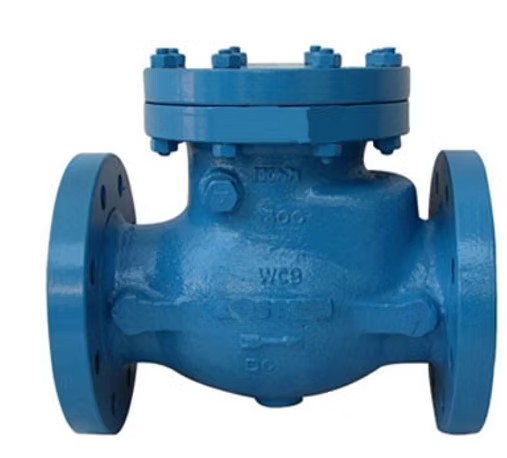
Description
Function of a Refrigeration Check Valve
A check valve performs several important functions:
- Prevents reverse refrigerant flow
- Maintains the intended flow direction
- Protects refrigeration components from backflow
- Helps isolate pressure between sections of a circuit
- Prevents refrigerant migration where applicable
- Supports reliable operation of parallel refrigeration circuits
- Helps protect compressors and other components from unwanted reverse flow
The valve operates automatically according to the pressure conditions across its inlet and outlet.
How a Check Valve Works
A typical check valve contains an internal valve element such as a disc, piston, ball, or spring-loaded mechanism.
Forward Flow
When the inlet pressure is sufficiently higher than the outlet pressure, the internal element moves away from its seat, allowing refrigerant to pass.
Reverse Flow
When the outlet pressure becomes higher than the inlet pressure, the internal element moves toward the seat and restricts reverse refrigerant flow.
The exact operating pressure and opening characteristics depend on the valve design.
Main Components
Depending on the check-valve design, components may include:
- Valve body
- Valve seat
- Disc, piston, ball, or poppet
- Spring
- Guide
- Retaining components
- Sealing elements
- Inlet connection
- Outlet connection
Materials vary according to refrigerant compatibility, pressure rating, temperature range, connection type, and manufacturer specification.
Types of Refrigeration Check Valves
Spring-Loaded Check Valve
Uses a spring to assist the internal valve element in returning to the closed position when forward flow decreases or reverses.
Piston Check Valve
Uses a piston-type internal element to control one-way refrigerant flow.
Ball Check Valve
Uses a spherical internal element that moves according to pressure conditions.
Disc Check Valve
Uses a disc or similar element that opens under forward pressure and closes against reverse flow.
Inline Check Valve
Designed for installation directly into refrigeration piping with inlet and outlet connections arranged along the same axis.
Applications
Refrigeration check valves are commonly used in:
- Commercial refrigeration systems
- Industrial refrigeration plants
- Cold rooms
- Cold storage systems
- Freezers
- Refrigerated display cabinets
- Chillers
- Condensing units
- Heat pump systems
- Food processing refrigeration
- Beverage cooling systems
- Process cooling systems
- Compressor discharge circuits
- Liquid refrigerant lines
- Suction circuits
- Parallel compressor arrangements
- Refrigeration bypass circuits
Importance of Reverse-Flow Protection
Reverse refrigerant flow can cause unwanted pressure equalization, refrigerant migration, or operational problems depending on the refrigeration-system design.
A properly selected check valve helps ensure that refrigerant flows in the intended direction and can provide protection for connected equipment.
In systems with multiple compressors or parallel circuits, check valves may be used to reduce unwanted flow between individual circuits when operating conditions change.
Common Check Valve Problems
Valve Stuck Open
If the internal valve element does not seat correctly, reverse flow may occur.
Possible causes include:
- Dirt or debris
- Damaged seat
- Worn internal components
- Spring failure
- Corrosion
- Mechanical damage
Valve Stuck Closed
A restricted or stuck valve can reduce refrigerant flow.
Possible causes include:
- Contamination
- Internal damage
- Incorrect installation
- Excessive pressure conditions
- Mechanical failure
Excessive Pressure Drop
An unsuitable valve size or partially restricted valve can create excessive pressure drop through the refrigeration circuit.
Reverse Leakage
Reverse leakage may occur when the valve seat or internal sealing components cannot provide the required shut-off.
Abnormal Noise
Unstable flow conditions, valve sizing, pressure fluctuations, or internal component problems may result in vibration or noise.
Inspection & Maintenance
Check valves generally require limited routine maintenance, but they should be inspected when refrigeration-system performance indicates a possible flow problem.
Checks may include:
- Inspect the valve body for damage
- Check for refrigerant leakage
- Verify correct installation direction
- Check pressure drop where measurement is available
- Inspect internal components during servicing
- Check for contamination
- Inspect valve seat and sealing surfaces
- Verify that reverse flow is adequately prevented
- Replace damaged or worn components where applicable
Installation Considerations
Correct installation is essential for proper check-valve operation.
Important considerations include:
- Install according to the marked flow direction
- Select a valve compatible with the refrigerant
- Confirm the pressure and temperature ratings
- Match the valve capacity to the required refrigerant flow
- Match the connection size and type
- Install in the recommended orientation where specified
- Avoid excessive mechanical stress
- Support connected piping properly
- Follow appropriate brazing procedures
- Check the completed installation for leakage
Check Valve Selection Parameters
| Parameter | Requirement |
|---|---|
| Application | Refrigeration / HVAC-R |
| Valve Type | Check / non-return valve |
| Refrigerant | System-specific |
| Line Application | Liquid / suction / discharge / other |
| Valve Size | According to piping |
| Flow Capacity | Application-specific |
| Opening Pressure | According to valve specification |
| Pressure Rating | According to system |
| Temperature Range | Application-specific |
| Connection Type | Solder / brazed / flare / threaded / other |
| Flow Direction | Required |
| Body Material | As specified |
| Seat Material | Refrigerant-compatible |
| Spring / Internal Mechanism | Application-specific |
| Installation Orientation | As specified |
| Manufacturer | As specified |
| Part Number | Required for exact replacement |
Replacement Considerations
When replacing a refrigeration check valve, selection should be based on the original component and the refrigeration-system operating requirements.
Important details include:
- Original check-valve part number
- Refrigeration equipment model
- Refrigerant type
- Line application
- Valve size
- Required flow capacity
- Opening pressure
- Pressure rating
- Temperature range
- Connection type
- Flow direction
- Installation orientation
A replacement check valve should not be selected solely by pipe size because the internal flow characteristics and opening pressure can vary between valve designs.
Why Choose Aegis Projects?
Aegis Projects Technology supplies refrigeration check valves and non-return flow-control components for commercial, industrial, cold-storage, and HVAC-R applications.
We can assist with replacement selection based on:
- Original part number
- Refrigeration equipment model
- Refrigerant
- Line application
- Valve size
- Flow capacity
- Opening pressure
- Connection type
- Pressure and temperature requirements
- Installation arrangement
Contact Aegis Projects Technology for refrigeration check valves and other refrigeration spare parts.