Description
What Is an After Cooler?
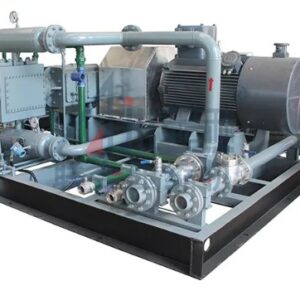
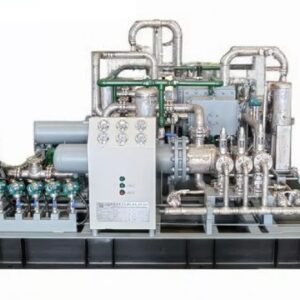
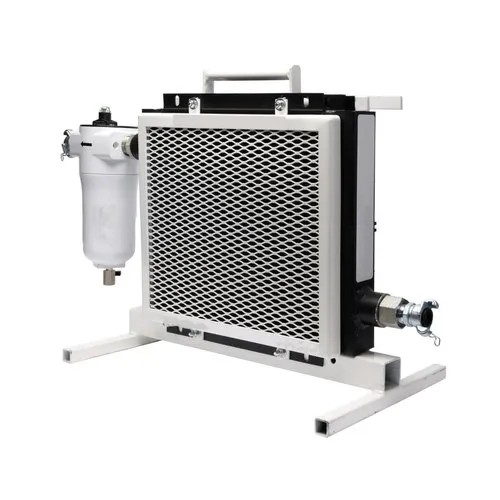
An after cooler is a heat exchanger installed downstream of a compressor to cool compressed air or gas after compression.
The hot compressed air passes through the cooler while a cooling medium removes heat from the compressed air.
Depending on the system configuration, after coolers can be:
- Air-cooled
- Water-cooled
The selection depends on the compressor application, available cooling medium, ambient conditions, required outlet temperature, and installation environment.
How an After Cooler Works
The compressed air leaving a screw compressor can have a significantly elevated temperature.
The hot compressed air enters the after cooler and transfers heat through the heat-exchange surfaces.
Typical Process
Hot Compressed Air → After Cooler → Cooled Compressed Air → Water Separator / Air Treatment System
As the compressed air temperature is reduced, moisture present in the compressed air can condense. The resulting condensate can then be removed using a water separator and suitable condensate drain system.
Key Features
- Designed for screw compressor systems
- Reduces compressed air discharge temperature
- Supports downstream condensate separation
- Available in air-cooled and water-cooled configurations
- Suitable for industrial compressed air applications
- Can be integrated with existing compressor packages
- Available in different capacities and connection configurations
- Designed for continuous industrial operation
- Compact configurations available depending on application
- Selection based on compressor operating conditions
Air-Cooled After Cooler
An air-cooled after cooler uses ambient air to remove heat from the compressed air.
A fan or forced-air arrangement can be used to circulate ambient air across the heat-exchange surfaces.
Air-cooled configurations can be suitable where cooling water is unavailable or where a simpler standalone cooling arrangement is preferred.
Typical considerations include:
- Ambient temperature
- Compressor air flow
- Compressed air temperature
- Required outlet temperature
- Fan capacity
- Installation ventilation
- Heat rejection requirements
Water-Cooled After Cooler
A water-cooled after cooler uses cooling water to remove heat from compressed air.
Water-cooled configurations can provide effective heat transfer and can be suitable for industrial facilities with an available cooling-water system.
Selection considerations include:
- Cooling water temperature
- Cooling water flow
- Compressed air flow
- Compressed air inlet temperature
- Required outlet temperature
- Water quality
- Pressure ratings
- Heat exchanger material compatibility
Benefits of an After Cooler
Correctly selected after cooling can provide several operational benefits:
- Lower compressed air temperature
- Improved downstream equipment protection
- Better condensate separation
- Reduced thermal stress on downstream components
- Improved operation of air treatment equipment
- Support for efficient compressed air distribution
- Reduced moisture carryover into downstream equipment
- Improved operating conditions for filters and dryers
An after cooler is normally used together with suitable water separation and condensate drainage equipment where moisture removal is required.
Applications
After coolers can be used in:
- Rotary screw compressors
- Industrial air compressors
- Oil-injected screw compressors
- Oil-free screw compressors
- Reciprocating compressors
- Process gas compressor systems, where applicable
- Factory compressed air systems
- Instrument air systems
- Pneumatic equipment
- Manufacturing plants
- Automotive industries
- Pharmaceutical facilities
- Food and beverage plants
- Chemical industries
- Petrochemical facilities
- Power plants
- Textile industries
- Packaging facilities
After Cooler for Screw Compressors
In a screw compressor installation, the after cooler is generally positioned downstream of the compressor compression stage.
For oil-injected screw compressors, the compressed air may contain both heat and oil aerosols. The after cooler works as part of the overall compressed air treatment system, followed by suitable separation and filtration equipment where required.
A typical arrangement can include:
Screw Compressor → After Cooler → Water Separator → Filters → Air Dryer → Compressed Air Header
The exact configuration depends on the compressor design and required compressed air quality.
Selection Parameters
Selecting the correct after cooler requires matching the cooler with the compressor and operating conditions.
| Parameter | Requirement |
|---|---|
| Compressor Type | Screw / other applicable compressor |
| Air Flow | Compressor delivery capacity |
| Inlet Air Temperature | Maximum operating temperature |
| Required Outlet Temperature | Design requirement |
| Operating Pressure | System working pressure |
| Cooling Method | Air-cooled / water-cooled |
| Ambient Temperature | Applicable site condition |
| Cooling Water Temperature | For water-cooled systems |
| Cooling Water Flow | For water-cooled systems |
| Connection Size | Compressor/system connection |
| Installation | Skid / standalone / integrated |
| Material | Based on application |
| Duty | Continuous / intermittent |
Final after cooler sizing should be confirmed using the actual compressor operating data and site conditions.
Maintenance
Routine inspection helps maintain effective heat transfer and reliable operation.
Maintenance requirements may include:
- Cleaning cooling surfaces
- Checking fan operation on air-cooled units
- Inspecting cooling-water flow on water-cooled units
- Checking for leakage
- Inspecting connections
- Monitoring pressure drop
- Checking compressed air outlet temperature
- Inspecting condensate drainage
- Cleaning heat-exchange surfaces where required
Maintenance frequency depends on ambient conditions, operating hours, air quality, cooling-water quality, and equipment design.
Industrial Compressor Spare Parts
Aegis Projects Technology supplies compressor spare parts and compressed air system components for maintenance, repair, overhaul, and replacement applications.
Related screw compressor components can include:
- Rotary screw elements
- After coolers
- Water separators
- Air filters
- Oil filters
- Oil separator elements
- Compressor valves
- Minimum pressure valves
- Thermostatic valves
- Solenoid valves
- Bearings
- Shaft seals
- Gaskets
- O-rings
- Couplings
- Compressor service kits
- Compressor overhaul kits
Replacement & Retrofit Applications
After coolers can be supplied for:
- Replacement of damaged coolers
- Compressor overhaul projects
- Existing system upgrades
- Cooling capacity improvement
- Replacement of obsolete components
- Compressor package refurbishment
- New compressed air installations
- Customized retrofit applications
Aegis Projects can assess replacement requirements based on the existing cooler dimensions, compressor specifications, air flow, pressure, inlet temperature, outlet temperature, and cooling arrangement.
Aegis Projects Technology
Aegis Projects Technology supplies after coolers, water separators, screw compressor elements, filters, and other industrial compressor spare parts for compressed air system maintenance and equipment replacement.
For accurate selection, provide the compressor make, model, serial number, air flow, operating pressure, inlet temperature, existing after cooler details, or equipment nameplate.
Aegis Projects Technology — Industrial Compressor Spare Parts & Compressed Air Solutions.