Compressed Air Skid Manufacturer

Aegis Projects Technology Pvt Ltd

ENGINEERED COMPRESSED AIR SKIDS

We deliver customized compressed air solutions based on your application needs, air demand and operating conditions. From system design to equipment integration, we provide efficient and reliable air systems for industrial applications.

Customized System Design
Solutions tailored to air demand, pressure and site conditions.

Energy Optimization
Advanced technologies improve efficiency and reduce energy costs.

Integrated Solutions
Complete systems including compressors, dryers, filters and controls.

Project Support
Professional engineering support from design to implementation.

PROJECT CAPABILITIES

Aegis Projects Technology Pvt Ltd provides complete compressed air engineering solutions covering system design, equipment selection, package integration, manufacturing, and project support. Our experienced team helps industrial customers build safe, efficient and reliable air systems for a wide range of applications worldwide.

✔ Complete Air System Engineering
✔ Compressor Station Design & Integration
✔ Instrument Air Package Solutions
✔ Skid Mounted Compressor Packages
✔ Air Treatment System Integration
✔ Industrial Compressed Air Plants
✔ High Pressure Booster Solutions
✔ EPC Project Execution Support

Compressed air skid solutions for industries by aegis projects technology

COMPLETE COMPRESSOR PACKAGE

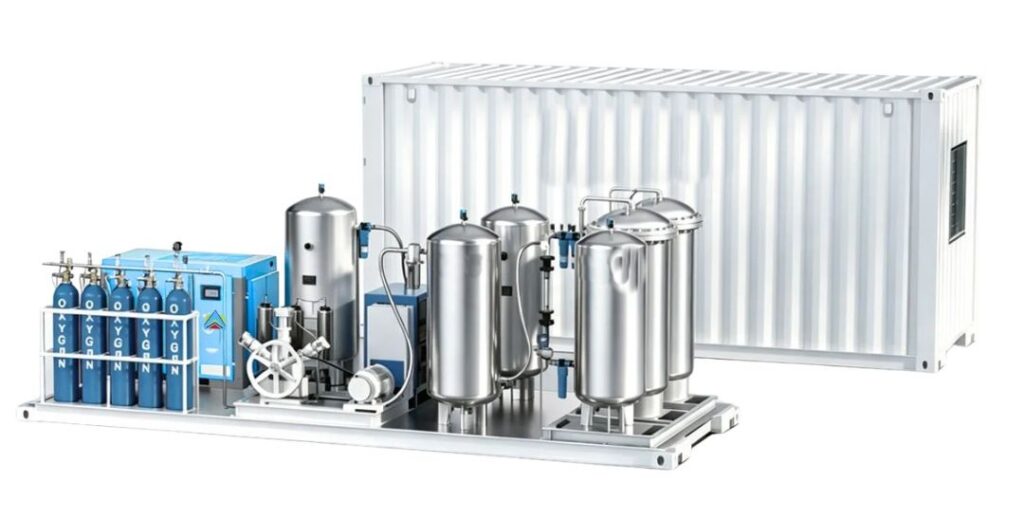
Aegis Projects Technology Pvt Ltd designs and manufactures customized compressor skid packages based on your application requirements and project specifications. We integrate compressors, dryers, filtration systems, air receivers and control systems into complete solutions for reliable industrial operation.

Complete skid compressor package aegis projects technology

Customized compressed air skids engineered for efficiency, reliability and long-term performance.

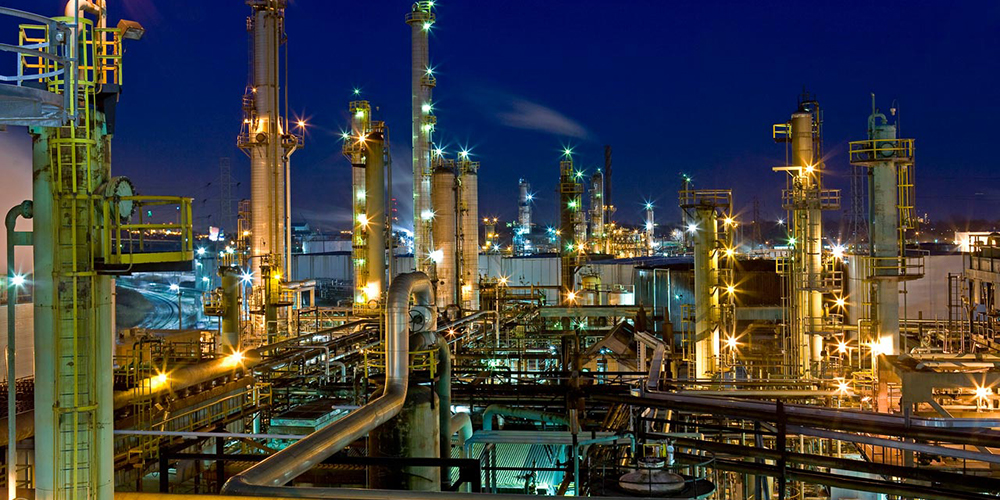
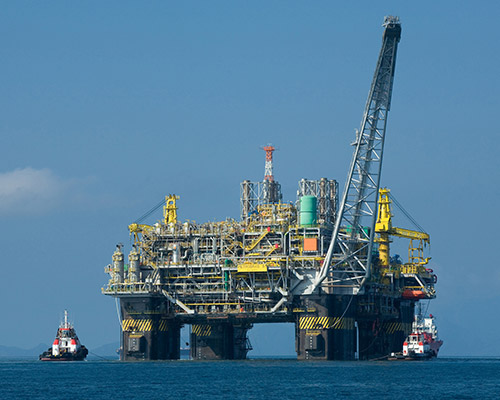
Oil and gas compressor solutions for industries by aegis projects technology pvt ltd

Oil & Gas

Reliable compressed air and gas separation solutions support onshore & offshore oil and gas exploration, pipeline transportation, purification and pressurization, meeting strict safety standards.

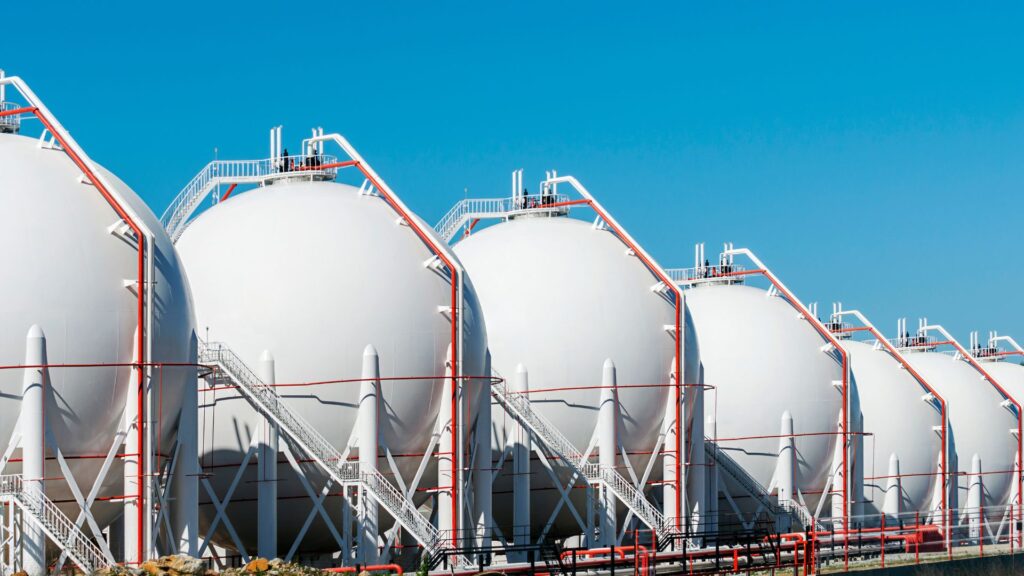
Petrochemical

High-efficiency air & nitrogen supply systems for chemical synthesis, raw material conveying, inert gas protection, tank blanketing and pipeline purging in petrochemical plants.

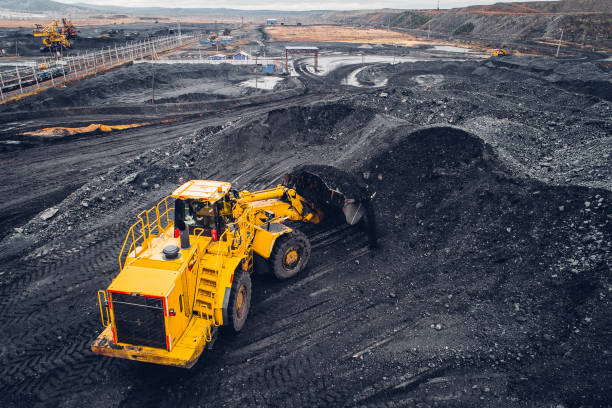
Mining compressor projects skid package aegis projects technology

Mining

Robust compressed air equipment suitable for underground mining, ore transportation, rock drilling, ventilation and mineral processing, adapting to dusty and harsh working environments.

Power generation skid compressor projects aegis projects technology

Mining

Robust compressed air equipment suitable for underground mining, ore transportation, rock drilling, ventilation and mineral processing, adapting to dusty and harsh working environments.

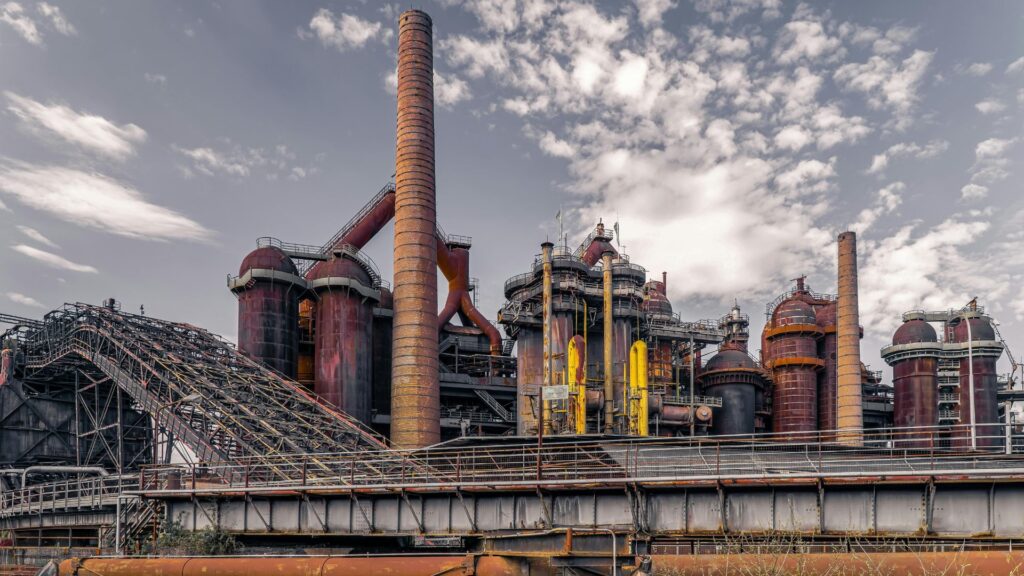
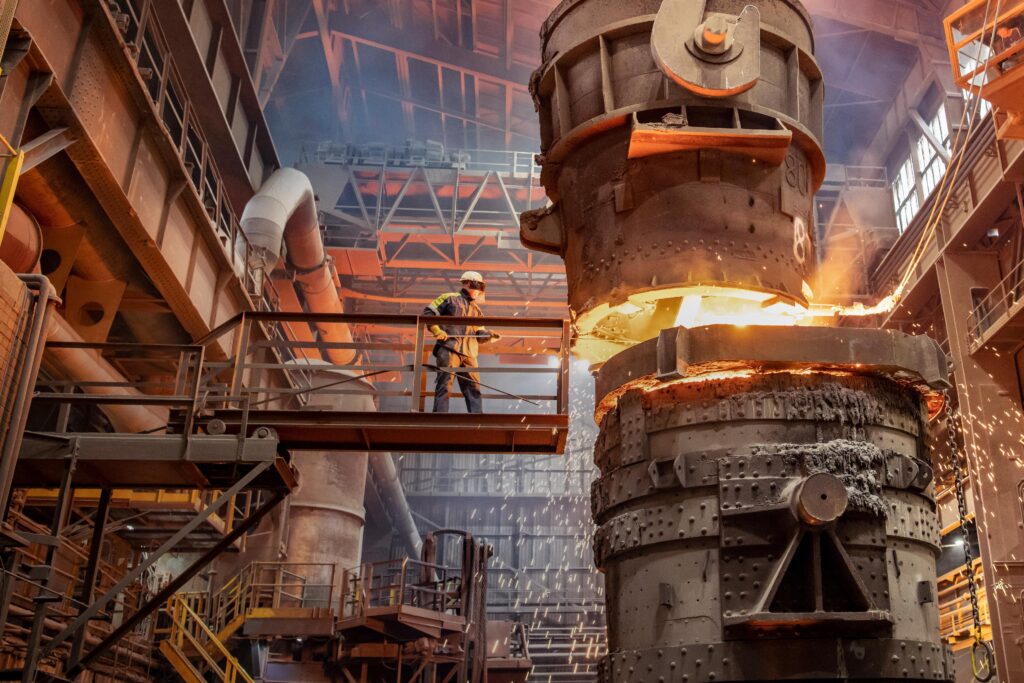
Steel and metal compressed air skid projects package

Steel & Metal

Professional gas solutions for smelting, continuous casting, rolling, nitrogen shielding, raw material pneumatic conveying and metal processing.

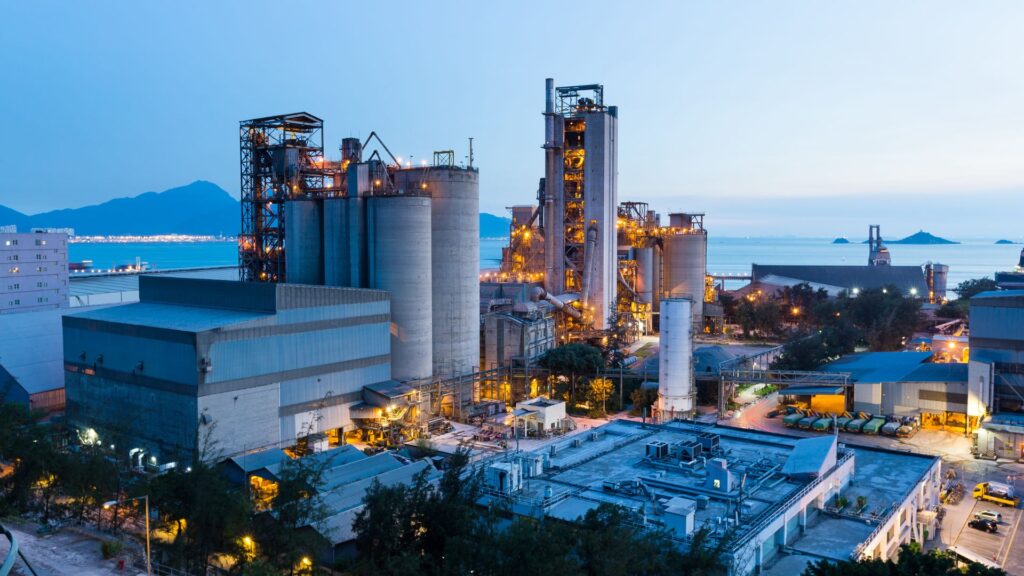
Cement industry skid compressor projects manufacturers

Cement

Energy-saving air compressors serve raw material grinding, clinker transportation, bag dust removal and kiln auxiliary air supply in cement production lines.

Water treatment plants skid compressor packages industrial grade energy efficient

Water Treatment

Compressed air used for aeration, backwashing, membrane system operation and sludge agitation in sewage treatment and pure water treatment projects.

Offshore skid compressor packages projects industry

Marine

Marine-grade compressed air systems for ship power, cabin equipment, offshore platforms, cargo handling and pipeline inert protection.

How to Design a Complete Industrial Compressed Air System

Compressed air is one of the most important utilities in modern industrial facilities. It is widely used in manufacturing, automotive, mining, petrochemical, food processing, pharmaceutical and many other industries.

However, a compressed air system is more than simply selecting an air compressor. A poorly designed system can result in unstable air pressure, excessive energy consumption, frequent maintenance and unnecessary operating costs.

A complete industrial compressed air system requires professional engineering, proper equipment selection and optimized system integration to ensure reliable performance, energy efficiency and long-term operation.

This article explains the key factors involved in designing an efficient and reliable compressed air system.

1. Understand Application Requirements Before System Design

Designing a reliable industrial compressed air system starts with understanding the real needs of the application. Before selecting compressors, dryers or air treatment equipment, engineers must carefully analyze the operating environment, production process and compressed air consumption requirements.

A well-designed system should provide stable air supply, optimized energy consumption and long-term reliable operation. Incorrect design may lead to problems such as insufficient air pressure, excessive energy costs, frequent equipment loading and unnecessary investment.

Therefore, a detailed application assessment is the foundation of every successful compressed air project.

Air Demand Calculation

Air demand is one of the most important factors in compressed air system design. The compressor capacity must match the actual air consumption of the facility to ensure efficient operation.

Engineers need to evaluate several key factors:

  • Required airflow capacity
  • Average and peak air consumption
  • Production schedules and operating hours
  • Seasonal or process-related demand changes
  • Future production expansion plans

Different industrial applications have different air consumption patterns. For example, a factory with continuous production may require a stable air supply, while a manufacturing plant with intermittent operation may experience significant fluctuations in demand.

An oversized compressor system can result in unnecessary investment and inefficient operation, while an undersized system may cause pressure drops and affect production performance.

Accurate air demand calculation helps determine the right compressor capacity, reduce energy waste and improve overall system reliability.

Working Pressure Requirements

Selecting the correct operating pressure is another critical step in compressed air system design.

Different industries and equipment require different pressure levels. During system planning, engineers should consider:

  • Required equipment operating pressure
  • Pressure loss caused by piping distance and system resistance
  • Pressure requirements of different production processes
  • Safety margins for stable operation

Many facilities operate compressors at higher pressure than necessary, which increases energy consumption. In general, higher operating pressure requires more compressor power and leads to higher operating costs.

A properly designed system should provide sufficient pressure at the point of use while minimizing unnecessary pressure generation.

Optimizing working pressure not only improves energy efficiency but also extends equipment service life and reduces operating expenses.

Air Quality Requirements

Compressed air quality plays an important role in production reliability and product quality. Depending on the application, compressed air may need different levels of treatment.

Industrial processes may require:

  • Moisture removal to prevent corrosion and equipment damage
  • Oil filtration to protect sensitive production processes
  • Particle filtration to ensure clean air supply
  • Low dew point air for applications requiring dry compressed air

For example, industries such as food processing, pharmaceuticals, electronics and precision manufacturing often require higher air purity standards compared with general industrial applications.

Compressed air systems should be designed according to appropriate air quality classifications, such as ISO 8573-1 standards, which define requirements for particles, water and oil contamination levels.

By selecting suitable air dryers, filters and treatment equipment, companies can ensure consistent air quality and reliable production performance.

A complete compressed air system design should always begin with a clear understanding of application requirements. By accurately evaluating air demand, pressure requirements and air quality standards, engineers can create a system that delivers reliable performance, energy efficiency and long-term value.

2. Select the Right Compressor Configuration

Choosing the right compressor configuration is one of the most important steps in designing a complete industrial compressed air system.

Different applications require different compressor technologies. Selecting the proper compressor type helps improve system reliability, reduce energy costs and ensure stable air supply for production.

Rotary Screw Compressors

Rotary screw compressors are one of the most widely used solutions for industrial applications.

They are designed for continuous operation and provide a stable compressed air supply for factories, manufacturing plants and processing industries.

Key advantages include:

  • Suitable for 24/7 industrial operation
  • Reliable performance and long service life
  • Efficient operation under continuous air demand
  • Easy maintenance and flexible installation

Rotary screw compressors are commonly used in industries such as automotive, textile, food processing, electronics and general manufacturing.

Variable Speed Drive (VSD) Compressors

Air demand in industrial plants often changes throughout the day. Traditional compressors may consume unnecessary energy during periods of low demand.

VSD compressors adjust motor speed according to actual air consumption, providing only the required amount of compressed air.

Benefits include:

  • Automatically match air demand changes
  • Reduce energy consumption during low-load periods
  • Improve overall system efficiency
  • Lower operating costs over the compressor lifecycle

For facilities with fluctuating production schedules, VSD compressors can significantly improve energy efficiency.

Centrifugal Compressors

Centrifugal compressors are designed for large-scale industrial applications requiring high volumes of compressed air.

They are commonly used in industries with continuous and high-demand operations, such as power plants, petrochemical facilities, steel plants and large manufacturing sites.

Main features include:

  • High airflow capacity
  • Excellent efficiency at large flow rates
  • Suitable for large industrial air stations
  • Reliable performance for continuous operation

For large projects, centrifugal compressors can provide an efficient solution for centralized compressed air systems.

Key Factors for Compressor Selection

Before selecting a compressor, engineers should carefully evaluate the actual operating conditions.

Important considerations include:

  • Air Consumption
    Calculate the required airflow based on production equipment, peak demand and future expansion plans.
  • Operating Hours
    Continuous operation requires compressors designed for long-term reliability and stable performance.
  • Pressure Level
    Different applications require different working pressures. Proper pressure selection helps avoid energy waste.
  • Energy Efficiency Goals
    Energy consumption is a major part of compressed air system costs. Selecting high-efficiency compressors, such as VSD models, can help reduce operating expenses.

A properly selected compressor configuration ensures reliable air supply, optimized energy performance and long-term cost savings for industrial applications.

3. Design the Complete Air Treatment System

Compressed air treatment is a critical part of any industrial compressed air system. Although air compressors provide the power source, untreated compressed air often contains moisture, oil aerosols and solid particles that can damage equipment, reduce production efficiency and affect final product quality.

A complete air treatment system ensures clean, dry and stable compressed air delivery, helping extend equipment lifespan and maintain reliable production processes.

Air Dryers

During the compression process, moisture from atmospheric air is concentrated and enters the compressed air system. Without proper drying, water condensation can cause corrosion, pipeline damage and equipment failures.

Common industrial air dryer solutions include:

Refrigerated Air Dryers

Refrigerated dryers are widely used for general industrial applications where standard compressed air quality is required.

Key benefits include:

  • Efficient moisture removal for most manufacturing processes
  • Reliable and cost-effective operation
  • Suitable for general factory compressed air systems

Desiccant Air Dryers

Desiccant dryers are designed for applications requiring very low dew points and higher air purity standards.

Features include:

  • Achieve extremely dry compressed air
  • Suitable for critical processes requiring low moisture levels
  • Commonly used in pharmaceuticals, electronics, food processing and chemical industries

Air Filters

Compressed air may contain oil, dust particles and other contaminants from the atmosphere and compressor operation.

Air filters help improve air quality by removing:

  • Oil aerosols
  • Water droplets
  • Dust and solid particles
  • Other airborne contaminants

Proper filtration helps protect downstream equipment, improve production reliability and meet required compressed air quality standards such as ISO 8573-1.

Air Receiver Tanks

Air receiver tanks play an important role in maintaining stable compressed air system operation.

They provide temporary air storage and help balance supply and demand fluctuations.

Main advantages include:

  • Stabilize system pressure
  • Reduce pressure fluctuations
  • Minimize compressor start-stop cycles
  • Improve overall system efficiency

A properly designed air receiver capacity helps compressors operate more smoothly and reduces unnecessary energy consumption.

4. Develop an Efficient Compressor Station Layout

A well-designed compressor station layout is essential for ensuring reliable operation, efficient maintenance and long-term system performance.

A professional layout considers equipment placement, airflow management, piping design and future expansion requirements. Proper planning helps reduce operating issues, improve energy efficiency and simplify maintenance work.

Equipment Arrangement

The arrangement of compressors and supporting equipment directly affects daily operation and maintenance efficiency.

Key considerations include:

  • Provide sufficient space for maintenance and inspection
  • Ensure easy access to compressors, dryers, filters and control systems
  • Keep equipment layout organized for safer operation
  • Separate heat-generating equipment when necessary

A well-planned equipment arrangement allows technicians to perform maintenance quickly and reduces downtime.

Ventilation System

Compressed air equipment generates heat during operation. Without proper ventilation, high temperatures can reduce compressor efficiency and shorten equipment service life.

An effective ventilation design should:

  • Control operating room temperature
  • Provide sufficient cooling airflow
  • Prevent hot air circulation
  • Improve compressor performance and reliability

Proper ventilation helps compressors maintain stable operation, especially in continuous industrial applications.

Piping Design

The compressed air piping system plays an important role in overall system efficiency.

Poor piping design can create excessive pressure drops, increasing energy consumption and affecting equipment performance.

A professional piping design should:

  • Minimize pressure losses
  • Optimize airflow distribution
  • Select suitable pipe sizes
  • Reduce unnecessary bends and restrictions

Efficient piping ensures stable pressure delivery and improves the overall performance of the compressed air system.

Future Expansion Planning

Industrial production requirements often change over time. A flexible compressor station design should consider future capacity upgrades.

Important planning points include:

  • Reserve installation space for additional compressors
  • Allow for future air demand growth
  • Design piping and electrical systems with expansion capability

A future-ready compressor station reduces modification costs and allows businesses to expand production without major system redesign.

5. Integrate Intelligent Control and Monitoring Systems

Modern industrial compressed air systems require intelligent management to achieve higher efficiency, reliability and operational transparency.

Traditional compressor systems often operate with limited control, which may lead to unnecessary energy consumption and inefficient equipment utilization. By integrating smart control and monitoring technologies, companies can optimize compressor operation, reduce operating costs and improve system performance.

Central Control Systems

A central control system enables coordinated management of multiple compressors and air treatment equipment.

Instead of operating individual compressors independently, the control system automatically adjusts equipment operation based on real-time air demand.

Key benefits include:

  • Coordinate multiple compressors efficiently
  • Optimize compressor loading and unloading sequences
  • Balance operating hours between machines
  • Maintain stable system pressure
  • Reduce unnecessary energy consumption

For large compressor stations, centralized control helps maximize system efficiency and ensures reliable compressed air supply.

Remote Monitoring

Remote monitoring systems provide real-time visibility into compressor performance and system status.

Operators can access important operating data and identify potential issues before they affect production.

Main functions include:

  • Real-time performance tracking
  • Monitoring pressure, temperature and energy consumption
  • Early fault detection and warning alerts
  • Remote operation and system diagnostics

With remote monitoring, maintenance teams can respond faster, reduce unexpected downtime and improve equipment reliability.

Energy Management

Energy consumption is one of the largest operating costs in compressed air systems. Intelligent energy management helps identify opportunities for efficiency improvements.

Energy management systems can:

  • Analyze compressor energy consumption data
  • Identify inefficient operating conditions
  • Optimize compressor operating strategies
  • Reduce energy waste and operating costs

By combining intelligent controls, monitoring systems and energy analysis, industrial facilities can achieve more efficient and sustainable compressed air operations.

6.Why Choose a Professional Compressed Air Solution Provider

Selecting a professional compressed air solution provider is a key factor in ensuring the long-term reliability, efficiency and cost-effectiveness of an industrial air system.

A qualified supplier does not only provide compressors and related equipment, but also delivers complete engineering solutions covering system design, equipment integration, installation support and lifecycle service. With professional expertise and project experience, the right partner can help customers build a compressed air system that meets current production requirements while supporting future expansion.

Engineering Expertise and Customized System Design

A professional compressed air provider has the engineering capability to analyze different application requirements, including air demand, pressure levels, operating conditions and production processes.

Based on these factors, engineers can develop customized solutions with proper compressor selection, optimized system configuration and efficient air treatment design. This helps avoid equipment oversizing, reduce unnecessary energy consumption and ensure stable compressed air supply.

Complete Equipment Integration and Project Support

Industrial compressed air systems usually involve multiple components, including air compressors, dryers, filters, air receivers, piping systems and intelligent control units.

An experienced supplier can integrate all components into a complete solution, ensuring that each part works efficiently together. From technical consultation and system planning to installation guidance and commissioning support, professional project management helps ensure smooth implementation and reliable system operation.

Energy-Saving Solutions for Lower Operating Costs

Energy consumption is one of the most important considerations in compressed air system operation. A professional provider can recommend advanced energy-saving technologies based on actual operating conditions.

Solutions such as variable speed drive (VSD) compressors, high-efficiency motors, optimized control systems and energy monitoring platforms can help reduce power consumption, improve system efficiency and lower total lifecycle costs.

Long-Term Technical Service and System Optimization

A reliable compressed air partner continues to support customers after project completion through professional technical services.

Regular maintenance guidance, system performance analysis, spare parts support and operational optimization help maintain equipment reliability and extend service life.

By choosing an experienced compressed air solution provider, companies can benefit from a complete approach that combines engineering knowledge, advanced technology and long-term service capability, creating a reliable, efficient and cost-effective compressed air system for continuous industrial operation.