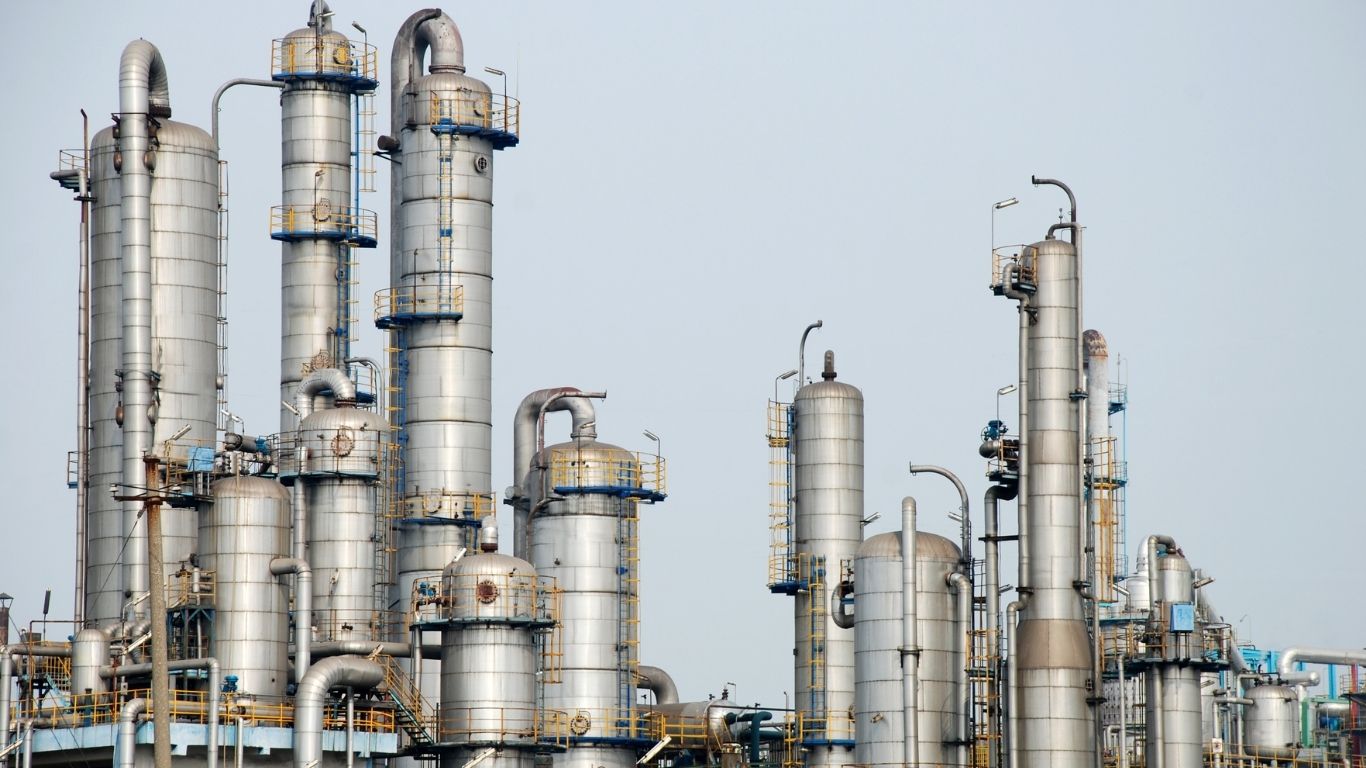
Description
Chemical Manufacturing Process
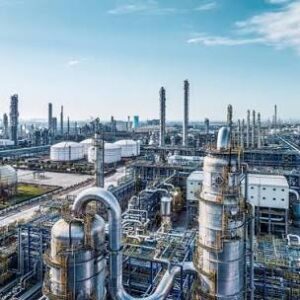
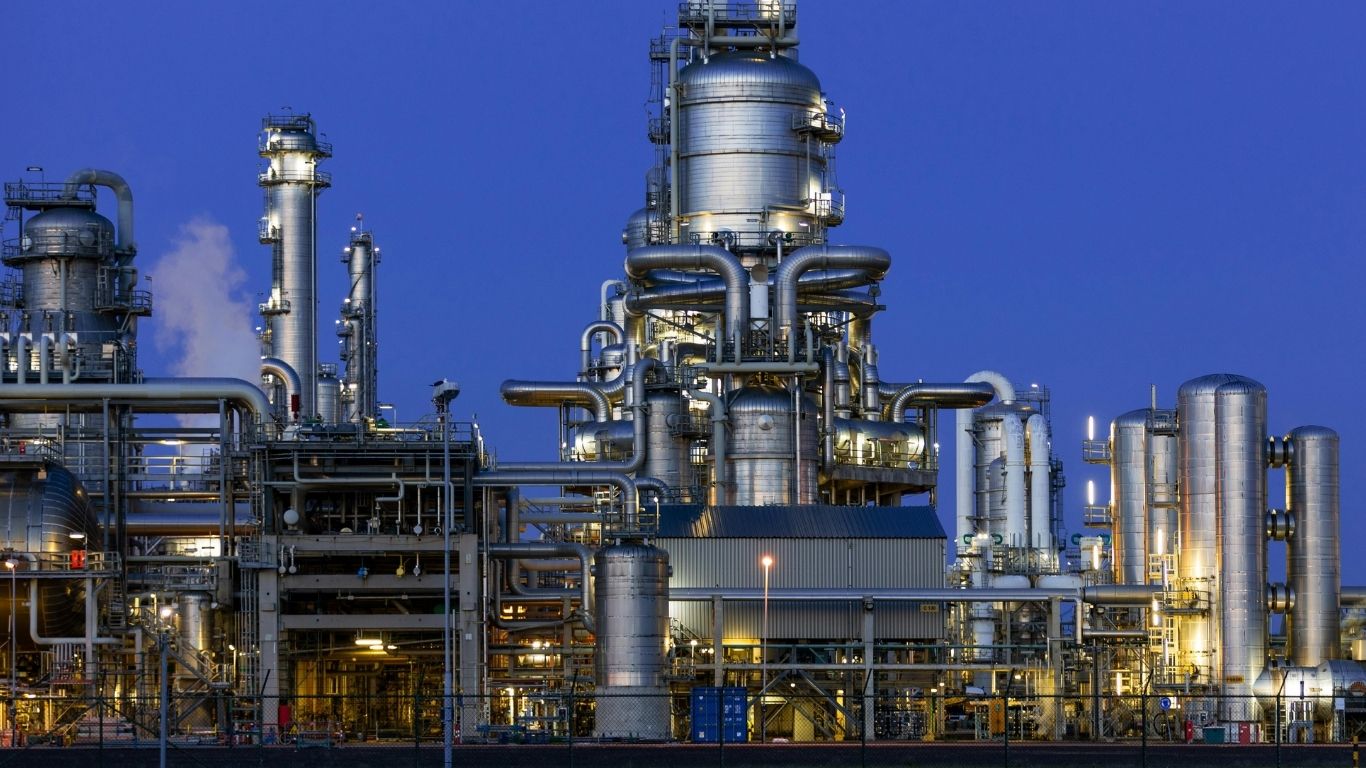
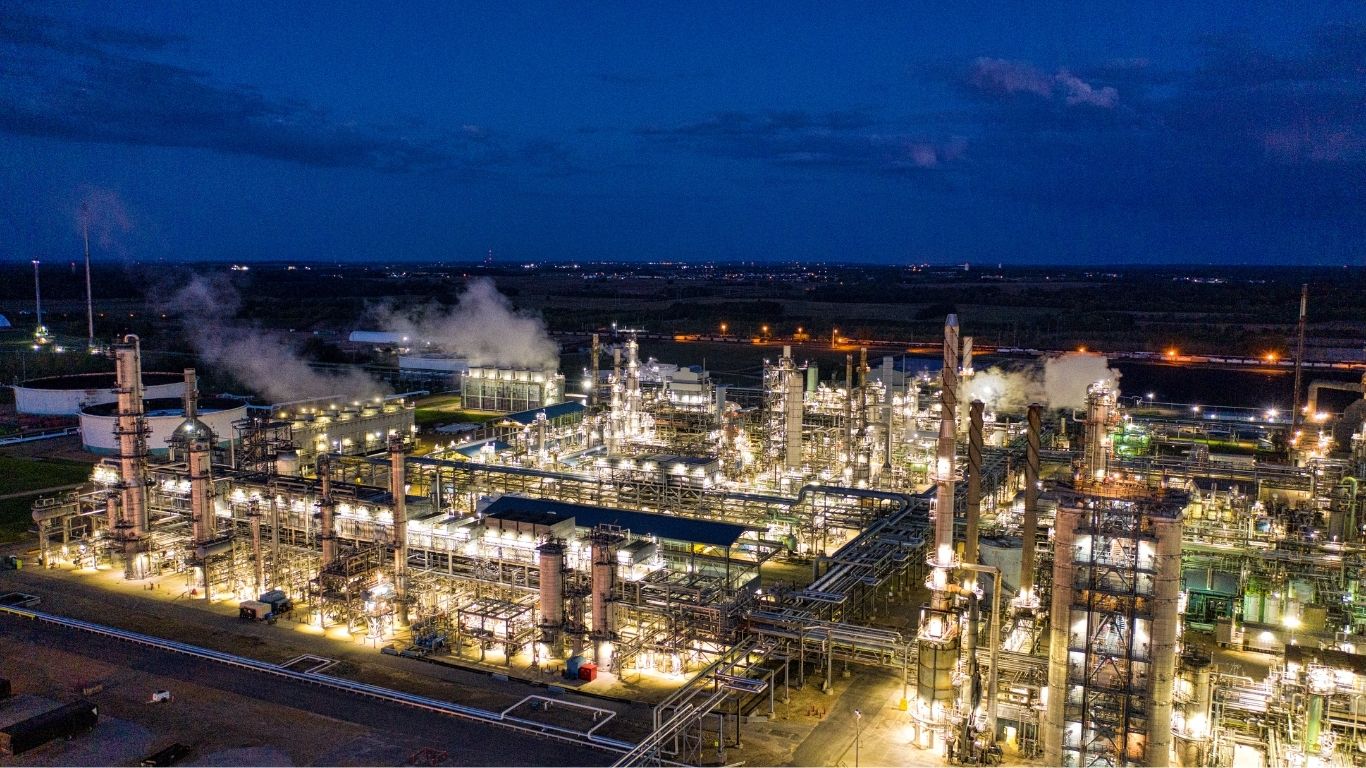
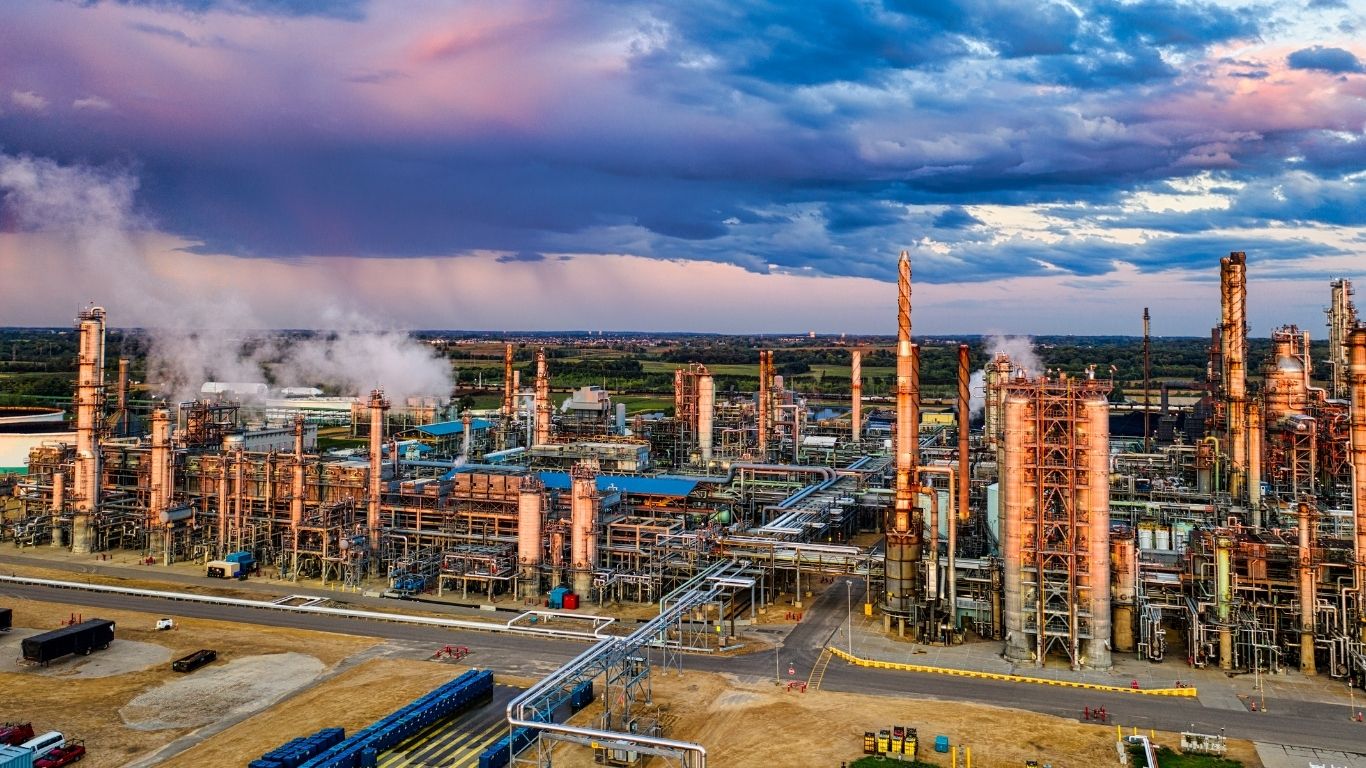
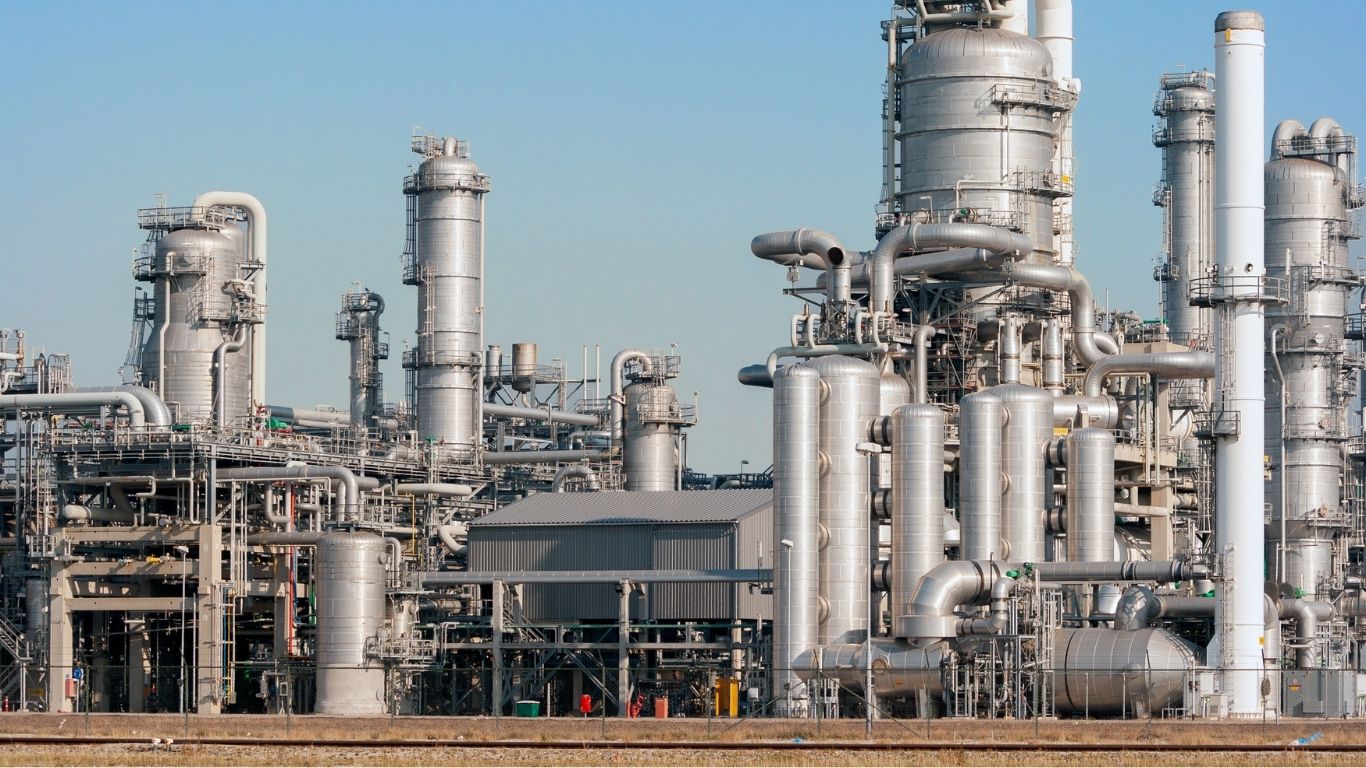
Chemical manufacturing processes vary significantly according to the product and production technology.
Typical process stages may include:
Raw Material Handling → Storage → Mixing → Reaction → Heating/Cooling → Separation → Filtration → Drying → Processing → Storage → Packaging
Different chemical plants may use only some of these stages or incorporate additional specialised processes.
Raw Material Handling and Storage
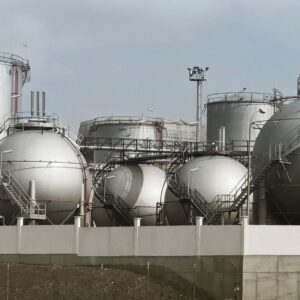
Chemical plants require controlled handling and storage of raw materials before they enter the production process.
Systems may include:
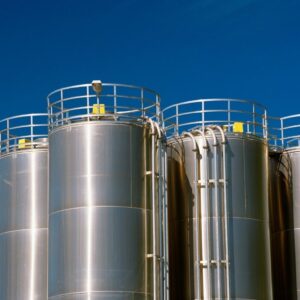
- Storage tanks
- Pumps
- Valves
- Piping systems
- Transfer equipment
- Level measurement
- Pressure measurement
- Temperature monitoring
- Filtration systems
- Loading and unloading systems
- Instrumentation and control systems
Equipment selection should take into account the properties of the chemical being handled and the required operating conditions.
Chemical Process Equipment
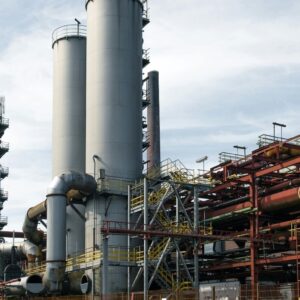
Process equipment is used to carry out chemical reactions and other manufacturing operations.
Depending on the application, equipment and supporting systems may include:
- Reactors
- Mixers
- Agitators
- Heat exchangers
- Pumps
- Valves
- Filters
- Separators
- Evaporators
- Dryers
- Storage vessels
- Cooling systems
- Heating systems
- Instrumentation
- Automation systems
The design and material selection of process equipment depend on the specific chemical, concentration, temperature, pressure and process requirements.
Chemical Reactors
Reactors are used to carry out controlled chemical reactions.
Supporting reactor systems may include:
- Temperature-control systems
- Heating and cooling circuits
- Pumps
- Valves
- Agitators
- Pressure instruments
- Temperature sensors
- Flow instruments
- Control systems
- Safety and monitoring equipment
Accurate temperature, pressure and flow control can be important for maintaining consistent process conditions.
Mixing and Agitation
Mixing systems help achieve uniform distribution of materials within tanks and process vessels.
Applications may include:
- Chemical blending
- Solution preparation
- Batch processing
- Suspension
- Emulsion processing
- Additive mixing
- Raw material preparation
Mixing systems may incorporate motors, gearboxes, agitators, shafts, seals, couplings and associated control systems.
Heating and Cooling
Temperature control is a fundamental part of many chemical processes.
Cooling may be required to:
- Control reaction temperature
- Remove process heat
- Condense vapours
- Cool products
- Maintain storage conditions
- Protect process equipment
Heating may be required for:
- Reaction processes
- Evaporation
- Drying
- Viscosity control
- Product processing
Supporting equipment can include:
- Industrial chillers
- Heat exchangers
- Cooling systems
- Pumps
- Temperature controllers
- Control valves
- Heating systems
- Process instrumentation
Industrial Chillers for Chemical Applications
Industrial chillers can provide controlled-temperature cooling water or other secondary cooling fluids for chemical processes.
Chillers may be used for:
- Reactor cooling
- Process cooling
- Product cooling
- Condenser cooling
- Equipment cooling
- Temperature control
- Glycol cooling systems
Chiller selection depends on cooling load, required temperature, fluid type, flow rate, ambient conditions and process requirements.
Heat Exchangers
Heat exchangers transfer thermal energy between two fluids without direct mixing.
They can be used for:
- Process heating
- Process cooling
- Condensation
- Heat recovery
- Reactor temperature control
- Product cooling
- Utility cooling
Possible heat-exchanger configurations include:
- Plate heat exchangers
- Shell-and-tube heat exchangers
- Air-cooled heat exchangers
- Application-specific heat-transfer equipment
Material selection is particularly important where corrosive or chemically aggressive fluids are involved.
Pumps and Fluid Transfer
Chemical plants use pumps for transferring raw materials, process fluids, finished products and utility fluids.
Depending on the application, pumping systems may include:
- Centrifugal pumps
- Positive-displacement pumps
- Metering pumps
- Process pumps
- Dosing pumps
- Chemical-transfer pumps
Pump selection should consider:
- Fluid properties
- Flow rate
- Pressure
- Temperature
- Viscosity
- Corrosiveness
- Solid content
- Material compatibility
Valves and Flow Control
Valves control the movement, pressure and flow of process fluids throughout a chemical plant.
Common valve applications include:
- Isolation
- Flow control
- Pressure control
- Non-return protection
- Process switching
- Dosing
- Emergency shut-off
Depending on the process, chemical plants may use:
- Ball valves
- Butterfly valves
- Globe valves
- Check valves
- Solenoid valves
- Control valves
- Pressure-relief valves
- Diaphragm valves
- Specialised process valves
Valve materials and sealing arrangements should be selected according to the fluid and operating conditions.
Compressed Air Solutions
Compressed air is widely used in chemical plants for pneumatic instruments, control valves, actuators, cleaning applications and general plant utilities.
A typical compressed-air treatment arrangement may include:
Air Compressor → Aftercooler → Moisture Separator → Air Dryer → Filters → Air Receiver → Distribution System
Aegis Projects can support requirements for:
- Air compressors
- Industrial air dryers
- Refrigerated air dryers
- Desiccant air dryers
- Compressed-air filters
- Coalescing filters
- Moisture separators
- Condensate drains
- Air receivers
- Pressure regulators
- Pneumatic accessories
Instrument Air
Clean and dry instrument air can be important for pneumatic control systems.
Instrument-air systems may support:
- Pneumatic control valves
- Pneumatic actuators
- Process-control equipment
- Instrumentation
- Automated valve systems
Air-treatment equipment should be selected according to the required air quality, pressure and flow.
Hydraulic Systems
Hydraulic systems can be used in chemical plants for equipment positioning, lifting, clamping, material handling and specialised process machinery.
Aegis Projects can support requirements for:
- Hydraulic pumps
- Hydraulic motors
- Hydraulic cylinders
- Hydraulic valves
- Hydraulic power packs
- Hydraulic accumulators
- Hydraulic filters
- Hydraulic tanks
- Hydraulic hoses
- Hydraulic manifolds
- Hydraulic lift blocks
- Hydraulic filtration systems
Hydraulic components should be selected according to system pressure, flow, load, temperature and fluid compatibility.
Filtration and Separation
Filtration and separation are used throughout chemical manufacturing to remove unwanted particles, separate materials and protect process equipment.
Applications may include:
- Raw material filtration
- Process filtration
- Product filtration
- Hydraulic filtration
- Lubrication filtration
- Compressed-air filtration
- Gas filtration
- Oil filtration
Equipment may include:
- Filter housings
- Filter elements
- Cartridge filters
- Bag filters
- Coalescing filters
- Process filters
- Separators
- Strainers
- Oil filters
- Air filters
Gas Treatment
Certain chemical processes require controlled treatment of process gases or utility gases.
Gas-treatment systems may involve:
- Gas filtration
- Moisture removal
- Oil removal
- Gas drying
- Gas purification
- Gas separation
- Pressure regulation
- Gas cooling
The treatment method depends on the gas composition and required purity.
Refrigeration and Cooling Systems
Refrigeration systems may be required for low-temperature chemical processes, product storage or specialised cooling applications.
Equipment can include:
- Refrigeration compressors
- Condensing units
- Evaporators
- Condensers
- Expansion valves
- Solenoid valves
- Refrigeration controllers
- Temperature sensors
- Pressure switches
- Filter driers
- Refrigeration accessories
Refrigeration equipment must be selected according to the required temperature range, cooling load and refrigerant system.
Process Instrumentation
Accurate measurement helps operators monitor and control chemical processes.
Instrumentation may include:
- Pressure transmitters
- Pressure switches
- Temperature sensors
- RTDs
- Flow meters
- Level sensors
- Differential-pressure instruments
- Pressure gauges
- Temperature controllers
- Control valves
- Vibration monitoring devices
Instrument selection depends on the process medium, measurement range, temperature, pressure and environmental conditions.
Automation and Control
Automation systems can help coordinate chemical production processes and monitor critical operating parameters.
Applications include:
- Process monitoring
- Temperature control
- Pressure control
- Flow control
- Level control
- Valve automation
- Pump control
- Alarm management
- Equipment protection
- Data acquisition
- Production monitoring
Automation requirements vary according to plant design and process-control architecture.
Chemical Industry Spare Parts
Continuous chemical production requires reliable access to maintenance and replacement components.
Aegis Projects can support requirements for:
- Compressor spare parts
- Hydraulic spare parts
- Pneumatic components
- Refrigeration spare parts
- Industrial valves
- Filters and filter elements
- Heat exchangers
- Pumps and pump components
- Bearings
- Couplings
- Seals
- Gaskets
- Hoses
- Sensors
- Pressure switches
- Temperature sensors
- Control components
- Instrumentation components
Replacement parts should be selected according to equipment model, service conditions and original technical specifications.
Applications
Aegis Projects solutions can support various chemical-industry applications, including:
- Chemical manufacturing
- Specialty chemicals
- Petrochemicals
- Industrial chemicals
- Fertiliser production
- Pharmaceutical chemicals
- Polymer production
- Resin manufacturing
- Paint and coating production
- Adhesive manufacturing
- Solvent processing
- Water-treatment chemicals
- Bulk chemical handling
- Chemical storage
- Chemical processing
- Process cooling
- Process utilities
Chemical Industry Equipment and Solution Categories
| Application Area | Typical Solutions |
|---|---|
| Process Cooling | Chillers, heat exchangers, cooling systems |
| Fluid Transfer | Pumps, valves, piping components |
| Compressed Air | Compressors, dryers, filters, receivers |
| Hydraulics | Pumps, motors, cylinders, valves, power packs |
| Filtration | Process filters, air filters, oil filters |
| Gas Treatment | Filters, dryers, separators, purification systems |
| Instrumentation | Sensors, transmitters, switches, gauges |
| Automation | Controllers, control systems, automated valves |
| Refrigeration | Compressors, evaporators, condensers, valves |
| Maintenance | Industrial spare parts and replacement components |
Material Compatibility
Material selection is particularly important in chemical applications.
Depending on the process, components may need to be evaluated for compatibility with:
- Chemical composition
- Concentration
- Temperature
- Pressure
- Corrosiveness
- Viscosity
- Solid content
- Process conditions
Materials, seals and gaskets should therefore be selected according to the actual chemical-service requirements.
Maintenance Considerations
Regular maintenance helps support reliable chemical-plant operation.
Maintenance activities may include:
- Inspecting pumps and valves
- Checking hydraulic systems
- Replacing filters
- Inspecting compressed-air systems
- Checking dryers and condensate drains
- Monitoring process temperatures
- Checking pressure instruments
- Inspecting heat exchangers
- Monitoring vibration
- Checking refrigeration systems
- Inspecting seals and gaskets
- Checking hoses and fittings
- Maintaining instrumentation
Maintenance schedules should be established according to equipment type, operating conditions and manufacturer recommendations.
Common Chemical Plant Equipment Challenges
Chemical plants may encounter challenges such as:
- Corrosion
- Chemical contamination
- Leakage
- High operating temperatures
- Pressure fluctuations
- Filter blockage
- Pump wear
- Valve malfunction
- Seal degradation
- Heat-exchanger fouling
- Compressed-air moisture
- Instrumentation failure
- Cooling-system problems
- Equipment vibration
- Unplanned downtime
Correct equipment selection, monitoring and preventive maintenance are important for maintaining dependable plant operation.
Why Choose Aegis Projects?
Aegis Projects Technology Pvt. Ltd. provides industrial equipment, process-support systems, compressed-air solutions, hydraulic and pneumatic components, refrigeration equipment, cooling systems, filtration products, instrumentation and industrial spare parts for chemical-industry applications.
Our solutions can support:
- Chemical process equipment
- Process cooling
- Industrial chillers
- Heat exchangers
- Pumps and valves
- Compressed-air systems
- Air and gas treatment
- Hydraulic systems
- Filtration systems
- Instrumentation
- Automation and control
- Industrial spare parts
- Maintenance and replacement components
Request a Chemical Industry Solution
For chemical-industry equipment, process systems, spare parts or engineering requirements, share the application, chemical medium, flow rate, pressure, temperature, equipment model and operating conditions with Aegis Projects Technology.
Our team can support equipment and component requirements for chemical processing, plant utilities and industrial maintenance applications.
Aegis Projects – Industrial Equipment, Process Systems, Compressed Air and Spare Parts for the Chemical Industry.